Reverse Mortgage Innovation Set to Drive Strong Growth Into 2026
The reverse mortgage industry is preparing for a transformational year in 2026, powered by fresh product innovation, smarter qualification strategies, and a rapidly evolving rate environment. Industry leaders agree: the next wave of growth will be built on creativity and proactive borrower engagement.
A Shift in Mindset: Originators Prepare for High Rates
John Lunde, founder and president of Reverse Market Insight, noted that 2025 reshaped the expectations of originators nationwide. Many have accepted that pre‑pandemic rates may not return anytime soon, pushing professionals to rethink how they reach and assist borrowers.
“The rates might stay high for longer than originators can wait, so more proactive growth strategies are picking up steam,” Lunde said. Tools like the Reverse Qualifier are empowering originators to widen access and create new distribution pipelines—momentum poised to accelerate through 2026.
Improved pricing on Home Equity Conversion Mortgages (HECMs) throughout 2025 has further supported borrowers by reducing interest accrual and increasing available cash.
Proprietary Products Take Center Stage
While HECMs remain foundational, Chris Mayer, CEO of Longbridge Financial, emphasized that proprietary products are now the real drivers of growth thanks to their flexibility and broader borrower appeal.
“HECMs go up when the 10‑year rate goes down, and HECMs go down when the 10‑year rate goes up,” Mayer explained. “We may see some HECM growth in 2026, but the bulk will continue to come from proprietary offerings.”
Higher LTV/PLF ratios, expanded property eligibility, and more flexible credit structures are drawing in new and previously underserved borrower segments.
Private‑Label Momentum and Investor Appetite
Steve Irwin, president of NRMLA, pointed out that consumer demand remained strong in 2025, especially among seniors leveraging home equity. However, high rates and steep FHA premiums suppressed HECM activity.
Private‑label products stepped in to meet demand—and in 2026, continued proprietary expansion coupled with robust investor appetite signals a year of creativity and production strength.
New Approaches: HELOCs for Seniors and Borrower Education
Emerging options like the HELOC for Seniors from Longbridge are opening new doors for homeowners unfamiliar with reverse mortgage programs, making the space feel more approachable and less intimidating.
Education will be a major accelerator in 2026. Forward mortgage customers who never completed a loan may now be ideal candidates for reverse-mortgage solutions—a significant untapped opportunity.
Big Capital Enters the Space
A year-end highlight: Blue Owl Capital’s $2.5 billion liquidity investment and $50 million equity commitment to Finance of America aimed at expanding reverse mortgage initiatives.
Mayer called the move a powerful validation of the reverse mortgage market—and a sign that top-tier capital is recognizing its long-term value.
What Could Unlock Even More Growth?
A major catalyst could come from one policy shift: lowering the upfront IMIP fee on HECM loans. Lunde stressed that this could substantially reduce confusion and financial burden for borrowers.
If enacted, lenders expect an influx of applicants who were previously sidelined by high closing costs.
The Bottom Line for 2026
The reverse mortgage industry is entering 2026 with high momentum, expanding consumer awareness, proprietary product evolution, strong investor confidence, and an industry adapting to elevated rates.
For professionals eager to stay competitive in this evolving space, ongoing education will be essential. Cameron Academy proudly supports mortgage, real estate, insurance, and finance professionals nationwide through accessible, accredited licensing programs and continuing education designed for modern careers.
Getting licensed or staying ahead in your career can be a journey—but it doesn’t have to be overwhelming. Grab your favorite coffee or tea, take a moment to relax, and browse through our articles. Whether you’re just starting out or renewing your expertise, we’ve got tips, insights, and advice to keep you moving forward. Here’s to your success—one sip and one step at a time!
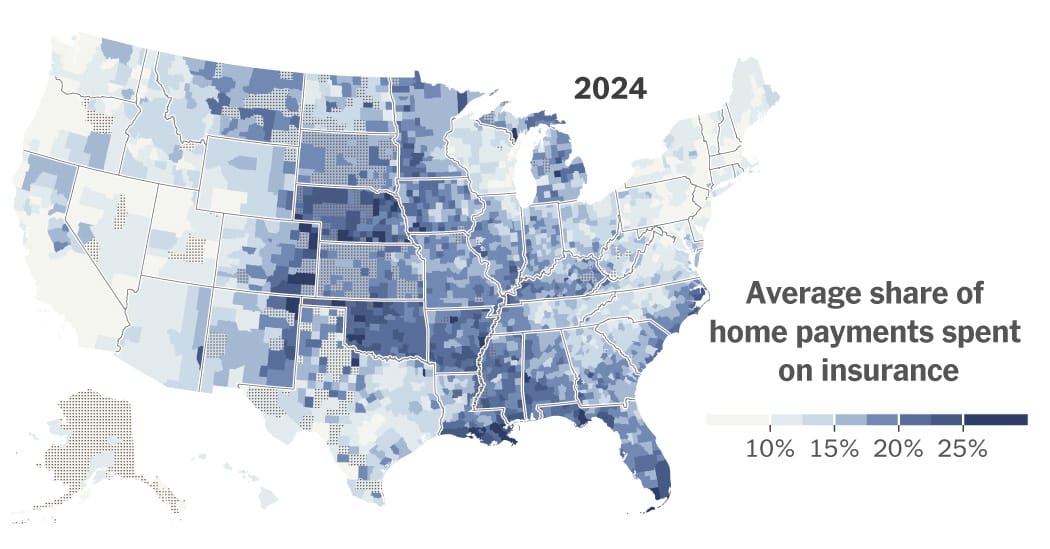
A surge in home insurance premiums is reshaping housing markets across the country, hitting disaster‑prone regions the hardest. From Louisiana to Colorado and California, deals are collapsing, buyers are backing out, and home values are dropping as insurance becomes a central affordability hurdle. New data shows climate‑driven risk repricing and soaring reinsurance costs are stripping tens of thousands of dollars from property values, forcing some homeowners to sell at a loss—or go uninsured altogether.
After years of sluggish activity, the National Association of REALTORS predicts 2026 could mark the long‑awaited rebound for the housing market. With a projected 14% jump in home sales, steadier rates near 6%, and rising buyer activity, NAR economists say momentum is already building. Early signs—like a 31% surge in mortgage applications, continued job growth, and stabilizing prices—suggest a stronger, more confident market ahead, creating fresh opportunities for both seasoned professionals and aspiring agents preparing to enter the field.
A surge of global capital is reshaping real estate heading into 2026, with investors shifting toward hands‑on strategies, cross‑border diversification, and high‑growth asset classes like data centers. Colliers’ 2026 Global Investor Outlook highlights rising confidence, improving liquidity, and a major pivot toward direct investing and value‑add opportunities. From office market rebounds to Asia Pacific’s rapid fundraising growth, the report outlines trends every real estate professional should understand as the industry enters a more dynamic, opportunity‑rich cycle.
Culver City just became the first place in California to legalize six‑story apartment buildings with only one staircase — a simple change that could reshape mid‑rise housing statewide. By freeing up as much as 7% more usable floor space, architects say single‑stair designs allow bigger units, more windows, and the kind of elegant layouts common in New York and Europe. If the city’s six‑year experiment succeeds, it may spark a broader rethinking of U.S. building codes and open the door to more flexible, affordable multifamily development across California.
Stratford homeowners are receiving their 2025 Notices of Assessment Change, marking the town’s first property revaluation since 2019. Officials emphasize that rising assessments do not equal higher tax bills, as a new mill rate won’t be set until spring 2026. Residents can challenge or review their updated valuations through informal hearings hosted by Vision Government Solutions, with appointments available for one week after receiving a notice.
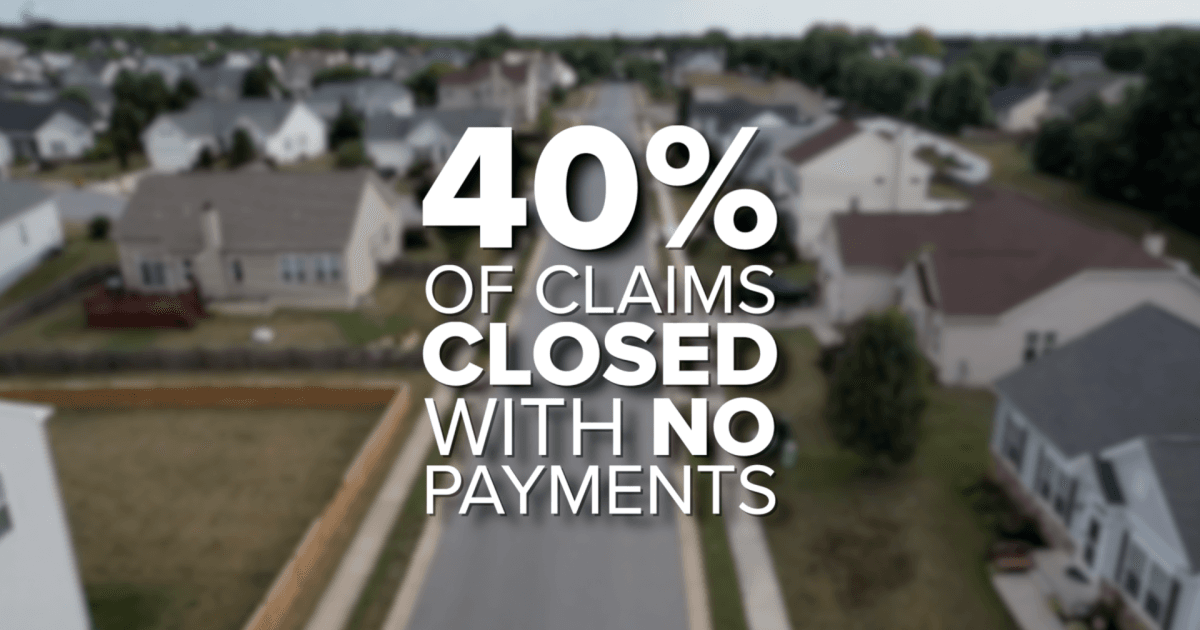
New reporting reveals Florida homeowners now face an average insurance premium of $5,838 per year — nearly triple the national average. With skyrocketing rates, denied claims, and mounting non-renewals, residents are being pushed to tough financial decisions while lawmakers scramble to implement reforms. From retirees skipping coverage to families battling insurers for fair payouts, Florida’s insurance crisis is reshaping both the housing market and the daily lives of homeowners statewide.