Reverse Mortgage Innovation Set to Drive Strong Growth Into 2026
The reverse mortgage industry is preparing for a transformational year in 2026, powered by fresh product innovation, smarter qualification strategies, and a rapidly evolving rate environment. Industry leaders agree: the next wave of growth will be built on creativity and proactive borrower engagement.
A Shift in Mindset: Originators Prepare for High Rates
John Lunde, founder and president of Reverse Market Insight, noted that 2025 reshaped the expectations of originators nationwide. Many have accepted that pre‑pandemic rates may not return anytime soon, pushing professionals to rethink how they reach and assist borrowers.
“The rates might stay high for longer than originators can wait, so more proactive growth strategies are picking up steam,” Lunde said. Tools like the Reverse Qualifier are empowering originators to widen access and create new distribution pipelines—momentum poised to accelerate through 2026.
Improved pricing on Home Equity Conversion Mortgages (HECMs) throughout 2025 has further supported borrowers by reducing interest accrual and increasing available cash.
Proprietary Products Take Center Stage
While HECMs remain foundational, Chris Mayer, CEO of Longbridge Financial, emphasized that proprietary products are now the real drivers of growth thanks to their flexibility and broader borrower appeal.
“HECMs go up when the 10‑year rate goes down, and HECMs go down when the 10‑year rate goes up,” Mayer explained. “We may see some HECM growth in 2026, but the bulk will continue to come from proprietary offerings.”
Higher LTV/PLF ratios, expanded property eligibility, and more flexible credit structures are drawing in new and previously underserved borrower segments.
Private‑Label Momentum and Investor Appetite
Steve Irwin, president of NRMLA, pointed out that consumer demand remained strong in 2025, especially among seniors leveraging home equity. However, high rates and steep FHA premiums suppressed HECM activity.
Private‑label products stepped in to meet demand—and in 2026, continued proprietary expansion coupled with robust investor appetite signals a year of creativity and production strength.
New Approaches: HELOCs for Seniors and Borrower Education
Emerging options like the HELOC for Seniors from Longbridge are opening new doors for homeowners unfamiliar with reverse mortgage programs, making the space feel more approachable and less intimidating.
Education will be a major accelerator in 2026. Forward mortgage customers who never completed a loan may now be ideal candidates for reverse-mortgage solutions—a significant untapped opportunity.
Big Capital Enters the Space
A year-end highlight: Blue Owl Capital’s $2.5 billion liquidity investment and $50 million equity commitment to Finance of America aimed at expanding reverse mortgage initiatives.
Mayer called the move a powerful validation of the reverse mortgage market—and a sign that top-tier capital is recognizing its long-term value.
What Could Unlock Even More Growth?
A major catalyst could come from one policy shift: lowering the upfront IMIP fee on HECM loans. Lunde stressed that this could substantially reduce confusion and financial burden for borrowers.
If enacted, lenders expect an influx of applicants who were previously sidelined by high closing costs.
The Bottom Line for 2026
The reverse mortgage industry is entering 2026 with high momentum, expanding consumer awareness, proprietary product evolution, strong investor confidence, and an industry adapting to elevated rates.
For professionals eager to stay competitive in this evolving space, ongoing education will be essential. Cameron Academy proudly supports mortgage, real estate, insurance, and finance professionals nationwide through accessible, accredited licensing programs and continuing education designed for modern careers.
Getting licensed or staying ahead in your career can be a journey—but it doesn’t have to be overwhelming. Grab your favorite coffee or tea, take a moment to relax, and browse through our articles. Whether you’re just starting out or renewing your expertise, we’ve got tips, insights, and advice to keep you moving forward. Here’s to your success—one sip and one step at a time!
Cybercrime in 2025 has evolved into a full‑scale service economy, with malware now available through subscription platforms that operate like mainstream tech businesses. Bitsight’s latest analysis reveals explosive growth in Malware‑as‑a‑Service tools, rising attacks across industries like healthcare, finance, tech, and real estate, and a surge in cross‑platform malware and supply‑chain exploits. For professionals in any licensed field, the message is clear: today’s digital landscape demands heightened vigilance, stronger identity security, and proactive defense against an increasingly organized underground threat environment.
A new proptech startup in the UAE, Gllit is redefining how property deals happen by removing agents, eliminating commissions, and integrating AI tools that let users create professional listings in seconds. With a fast, transparent, and direct-to-owner model, Gllit offers a glimpse into the future of global real estate — and a powerful case study for U.S. professionals preparing for tech-driven changes in the industry.
The 2026 housing market is shaping up to be a year of stability with a few surprises. Mortgage rates are expected to hold steady, home price growth is slowing, and yet ownership costs continue to rise due to soaring taxes and insurance. Meanwhile, renting is becoming more attractive as affordability improves and built‑to‑rent communities expand. This breakdown highlights the biggest trends ahead — and what they mean for buyers, sellers, and real estate professionals, especially in Florida.
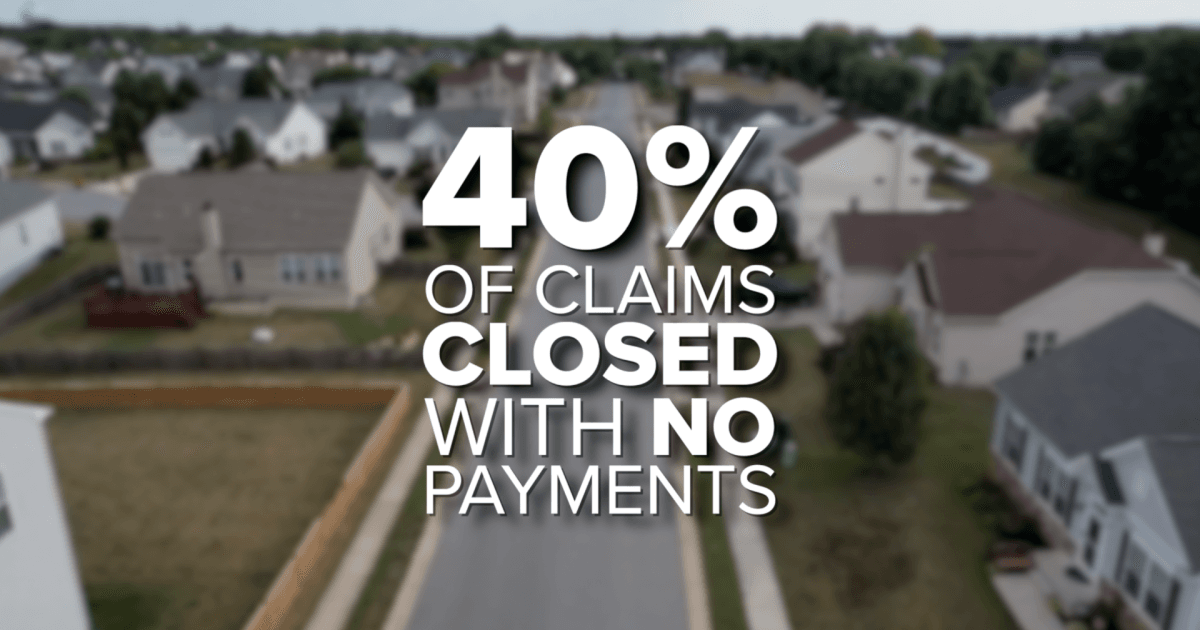
Florida homeowners are facing some of the highest insurance premiums in the nation, with average costs now topping $5,800 per year—about $3,000 above the U.S. average. Many residents report their rates have doubled or even tripled, while more than 40 percent of claims are closed with no payment. As frustration grows, state lawmakers and consumer advocates are pushing for transparency, rate caps, and incentives to help storm‑proof homes. The outcome of these reform efforts could reshape Florida’s real estate market, insurance landscape, and affordability for years to come.
A new global study from Risk.net and SAS reveals that many insurance companies are still making key decisions in isolated silos, despite industry-wide pushes toward data-driven strategies. While most leaders claim to have a clear vision, 38 percent admit they lack a real-time view of risks, revenue and costs. With poor data quality, limited collaboration and outdated processes holding teams back, experts say the industry is poised for a major transformation through AI, analytics and unified strategy—offering lessons for professionals across insurance, real estate, finance and other regulated fields.
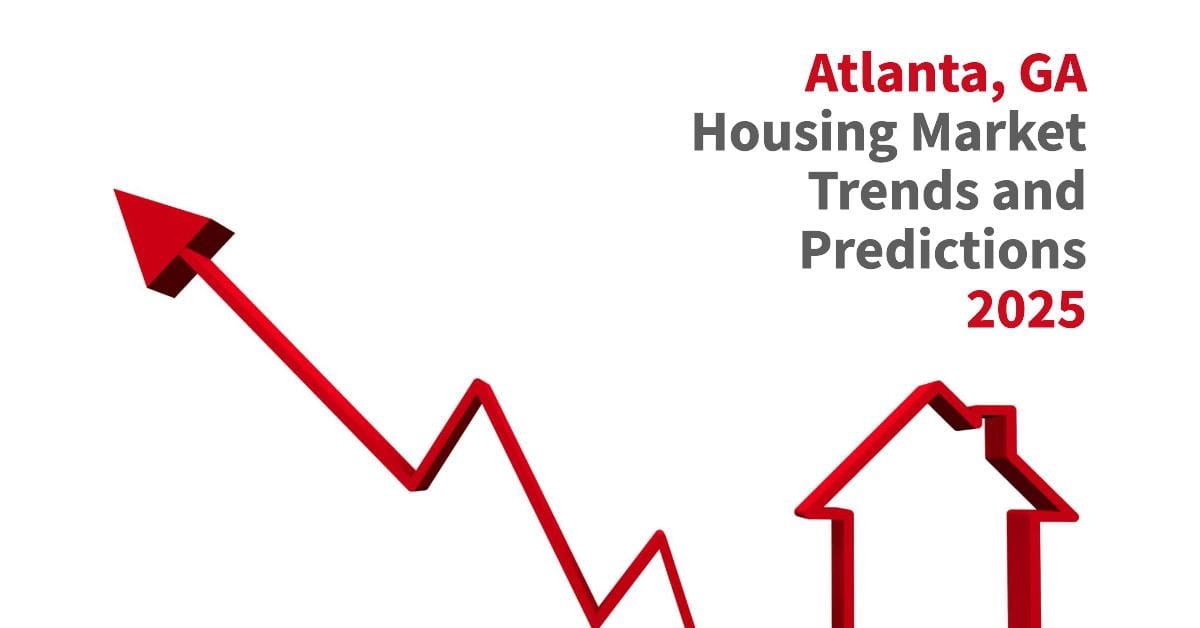
Atlanta’s housing market is shifting into a more balanced and predictable phase. Prices have leveled off, inventory has finally caught up, and mortgage rates are easing enough to bring buyers back into the game. With steady demand, growing listings, and only mild price corrections forecasted into 2026, Atlanta remains one of the Southeast’s strongest real estate markets for buyers, sellers, and investors alike.