In the ever-evolving landscape of technology, Virtual Reality (VR) is carving out a significant niche in the marketing industry. Once predominantly associated with gaming, VR has transcended its original confines to revolutionize how brands engage with audiences across various sectors. As explored in a recent article from Influencer Marketing Hub, VR is now a potent tool for creating immersive experiences that captivate and educate consumers.

How VR is Reshaping the Marketing Industry

VR is not just a novelty; it’s a strategic asset for marketers aiming to enhance audience engagement through immersive digital experiences. From retail to event planning, brands are leveraging VR to tell their stories in more impactful ways. However, the adoption of this technology is not without its challenges, particularly for developers and businesses unfamiliar with VR software development. Despite these hurdles, VR’s potential to transform marketing strategies is undeniable.

Examples of VR in Marketing

  • New York Times: Through Google Cardboard, subscribers experienced storytelling in a new dimension with VR films like Seeking Pluto’s Frigid Heart.
  • GSK: The Exedrin Migraine Experience used VR to simulate the visual symptoms of migraines, fostering empathy and understanding.
  • Adidas Terrex: Provided a virtual mountain climbing experience to promote its outdoor gear.
  • Thomas Cook: Enabled virtual travel experiences with the Try Before You Fly campaign.
  • McDonald’s: Transformed Happy Meal boxes into VR viewers for a fun and educational game.
  • Volvo: Offered virtual test drives of the XC90, allowing users to explore the car’s features via a VR app.
  • All Nippon Airways: Offered a VR tour of its new business class cabins.
  • Patrón: Illustrated the tequila-making process through a VR experience.
  • Lowe’s: Used VR for DIY skill training in its Holoroom.
  • Ikea: Launched an app for home visualization with VR-based 3D models.
  • L’Oréal Paris: Developed a VR makeup app for users to try on different looks.
  • Merrell: Promoted hiking boots with VR terrains in the Trailscape experience.
  • Topshop: Offered a virtual catwalk experience during London Fashion Week.
  • Matterport: Facilitated virtual real estate tours with 3D technology.
  • London Natural History Museum: Created VR educational content for virtual museum tours.


Bringing Marketing to the Future with VR

The future of marketing is being reshaped by VR, offering limitless possibilities for engagement and innovation. Various industries, from healthcare to real estate, are harnessing the power of VR to deliver more compelling marketing campaigns. As VR technology continues to evolve, it promises to bring new and exciting experiences to consumers worldwide.

For more insights into how VR is transforming the marketing landscape, visit the full article on Influencer Marketing Hub.

More Articles

Getting licensed or staying ahead in your career can be a journey—but it doesn’t have to be overwhelming. Grab your favorite coffee or tea, take a moment to relax, and browse through our articles. Whether you’re just starting out or renewing your expertise, we’ve got tips, insights, and advice to keep you moving forward. Here’s to your success—one sip and one step at a time!

Housing Market Momentum Builds Early in 2026

The 2026 housing market is off to a powerful start, with rising buyer activity, expanding inventory, and steady pricing creating one of the most balanced environments in years. Pending home sales and mortgage applications are climbing, inventory has reached 2.6 months of supply, and new listings continue to grow—all signaling renewed confidence and fresh opportunity for real estate professionals nationwide.

Investors Prepare for a High-Confidence 2026 as Commercial Real Estate Stabilizes

A wave of optimism is returning to U.S. commercial real estate heading into 2026, with 95% of investors planning to buy the same or more property than last year. Capital allocations are rising, Sun Belt cities continue to shine, and multifamily remains the top asset class. As pricing stabilizes and debt pressures ease, professionals across real estate and finance are entering a year defined by strategic growth and renewed opportunity.

Florida Homeowners Face Rising Insurance Costs Despite Promised Relief

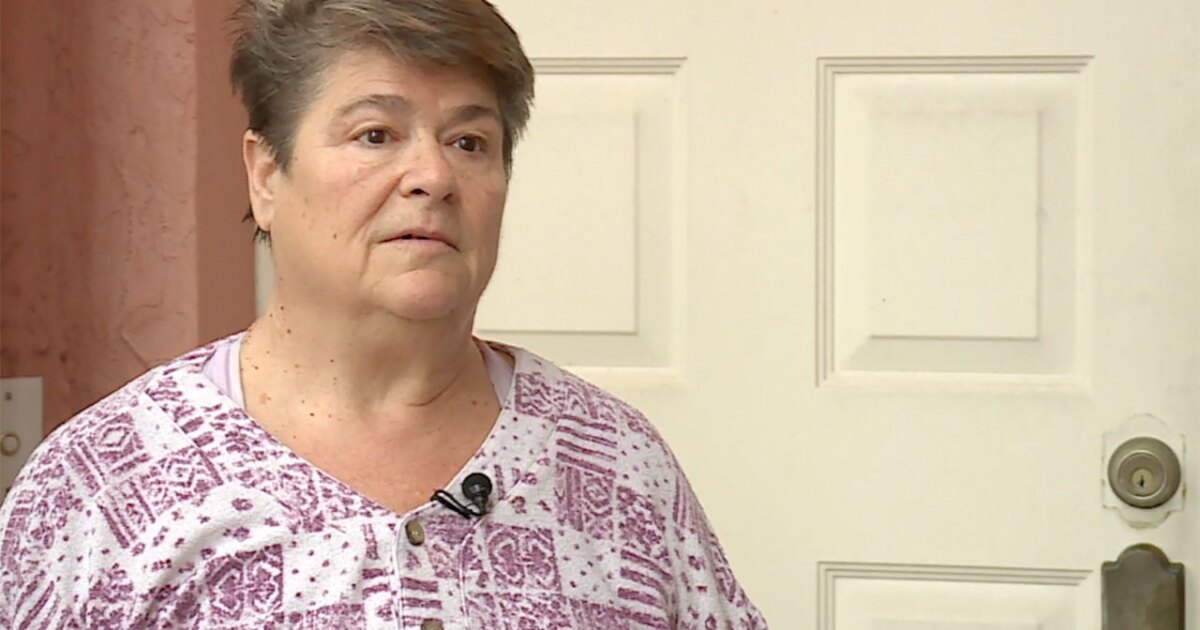
Floridians were told insurance relief was on the way, but many homeowners are seeing the opposite as premiums continue to rise. Despite state leaders insisting the market is improving and insurers filing rate decreases, homeowners like Lisa Riggi say the real‑world impact tells a different story. Higher property valuations, inflation, and updated replacement‑cost calculations are driving premiums upward, leaving some families questioning whether they can afford to remain in Florida.

Where Did Our Parents’ Florida Go? How Paradise Became Pricier, Glossier, and Almost Unrecognizable

Florida once promised retirees sunshine, low costs, and a $20,000 condo by the pool. But in 2026, soaring insurance rates, rising taxes, shrinking affordable housing, and an influx of wealthier newcomers have transformed the state into a far more expensive version of the paradise our parents knew. From corporate buyouts of mobile home parks to multimillion‑dollar estates redefining the market, today’s Florida is a place of widening gaps, disappearing middle‑range homes, and a future that demands deeper pockets—and smarter market insight.

Mortgage Rates Hold Steady in the Low 6% Range as Buyers Gain Breathing Room

Mortgage rates continue easing into the low 6% range, giving buyers and real estate professionals a welcome boost in early February 2026. Softer labor market data and slipping Treasury yields are helping keep rates stable, with 30‑year fixed loans averaging around 6.26% and refinance rates also trending lower. While affordability remains tight, today’s calmer rate environment is opening doors for more buyers—and offers agents a clearer outlook as they guide clients through a still‑shifting market.

Commercial Real Estate Investors Gear Up for a Major Buying Surge in 2026

A new CBRE survey reveals that U.S. commercial real estate investors are preparing to ramp up acquisitions in 2026, signaling renewed confidence across the sector. Dallas leads the nation for the fifth straight year as the top investment market, followed by Atlanta and San Francisco. Florida markets like Miami and Tampa continue to rise, while cities such as Charlotte, Nashville, Seattle, and New York also attract strong investor attention. With activity heating up nationwide, 2026 is shaping into a powerful year for commercial real estate professionals.