In the ever-evolving landscape of technology, Virtual Reality (VR) is carving out a significant niche in the marketing industry. Once predominantly associated with gaming, VR has transcended its original confines to revolutionize how brands engage with audiences across various sectors. As explored in a recent article from Influencer Marketing Hub, VR is now a potent tool for creating immersive experiences that captivate and educate consumers.

How VR is Reshaping the Marketing Industry

VR is not just a novelty; it’s a strategic asset for marketers aiming to enhance audience engagement through immersive digital experiences. From retail to event planning, brands are leveraging VR to tell their stories in more impactful ways. However, the adoption of this technology is not without its challenges, particularly for developers and businesses unfamiliar with VR software development. Despite these hurdles, VR’s potential to transform marketing strategies is undeniable.

Examples of VR in Marketing

  • New York Times: Through Google Cardboard, subscribers experienced storytelling in a new dimension with VR films like Seeking Pluto’s Frigid Heart.
  • GSK: The Exedrin Migraine Experience used VR to simulate the visual symptoms of migraines, fostering empathy and understanding.
  • Adidas Terrex: Provided a virtual mountain climbing experience to promote its outdoor gear.
  • Thomas Cook: Enabled virtual travel experiences with the Try Before You Fly campaign.
  • McDonald’s: Transformed Happy Meal boxes into VR viewers for a fun and educational game.
  • Volvo: Offered virtual test drives of the XC90, allowing users to explore the car’s features via a VR app.
  • All Nippon Airways: Offered a VR tour of its new business class cabins.
  • Patrón: Illustrated the tequila-making process through a VR experience.
  • Lowe’s: Used VR for DIY skill training in its Holoroom.
  • Ikea: Launched an app for home visualization with VR-based 3D models.
  • L’Oréal Paris: Developed a VR makeup app for users to try on different looks.
  • Merrell: Promoted hiking boots with VR terrains in the Trailscape experience.
  • Topshop: Offered a virtual catwalk experience during London Fashion Week.
  • Matterport: Facilitated virtual real estate tours with 3D technology.
  • London Natural History Museum: Created VR educational content for virtual museum tours.


Bringing Marketing to the Future with VR

The future of marketing is being reshaped by VR, offering limitless possibilities for engagement and innovation. Various industries, from healthcare to real estate, are harnessing the power of VR to deliver more compelling marketing campaigns. As VR technology continues to evolve, it promises to bring new and exciting experiences to consumers worldwide.

For more insights into how VR is transforming the marketing landscape, visit the full article on Influencer Marketing Hub.

More Articles

Getting licensed or staying ahead in your career can be a journey—but it doesn’t have to be overwhelming. Grab your favorite coffee or tea, take a moment to relax, and browse through our articles. Whether you’re just starting out or renewing your expertise, we’ve got tips, insights, and advice to keep you moving forward. Here’s to your success—one sip and one step at a time!

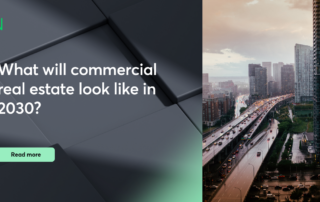
The Future of Commercial Real Estate: What 2030 Could Really Look Like

Commercial real estate is entering a decade of major transformation driven by interest rate pressures, evolving work culture, rapid proptech innovation, and growing demand for AI-focused infrastructure. While the global CRE market is projected to reach $133.5 trillion by 2028, rising rates, shifting office demand, and increasing sustainability requirements are reshaping how professionals invest, manage, and develop properties. By 2030, the biggest opportunities will center on mixed‑use conversions, data center growth, premium office spaces, and ESG‑driven upgrades.

NAR’s Antitrust Settlement Reshapes Real Estate: What Every Agent Needs to Know

The National Association of Realtors’ landmark antitrust settlement is transforming how real estate agents negotiate compensation, work with buyers, and handle transparency in transactions. With MLS‑posted buyer‑broker commissions eliminated and written buyer agreements now required, both consumers and professionals are navigating a new, more transparent landscape. While commission levels have only dipped slightly, the real shift is in how openly compensation is discussed and negotiated—creating new challenges and opportunities for agents who adapt quickly.

AI Supercharges Proptech in 2025: A Market Maturing at High Speed

Artificial intelligence is no longer a novelty in real estate — 2025 marks its breakthrough year as a dependable pillar of the proptech industry. With investors pouring capital into AI‑powered forecasting, security, automation, and property management tools, the sector is shifting from experimentation to full‑scale adoption. Brokerages, developers, and institutional players now rely on AI to streamline due diligence, enhance market modeling, reduce risk, and optimize building operations. As adoption accelerates, professionals who understand and leverage these technologies are gaining a decisive competitive edge in fast‑moving markets like Florida.

Too Many Cooks in the Kitchen? The 2026 Insurance Outlook Everyone’s Watching

A new episode of Current Account breaks down why the insurance industry is heading into 2026 with more uncertainty — and more opportunity — than ever. From shifting global regulations and rising catastrophe risks to FSOC’s evolving role in the U.S., industry leaders Jérôme Haegeli and Philippe Brahin explain how insurers are being pushed to rethink strategy in real time. With global premium growth expected to slow and regulatory pressures rising, professionals in insurance and financial services are turning to education and new skills to stay ahead in a rapidly changing market.

New Jersey’s Commercial Real Estate Boom: The Surprising Power Move Shaping 2026

New Jersey is quietly becoming one of the hottest commercial real estate markets in the nation, with Jersey City and North Jersey breaking into the top 10 in PwC’s 2026 Emerging Trends report. Fueled by redevelopment momentum, data‑center demand, mixed‑use transformations and a surge in health‑care projects, the state is drawing major investors while still battling rising construction costs and municipal fatigue. For real estate professionals, the Garden State’s evolution signals fresh opportunity—and a market worth watching closely heading into 2026.

NCOIL Challenges Trump’s AI Order, Warning of Major Impacts on Insurance Regulation

The National Council of Insurance Legislators is pushing back against President Trump’s new executive order on artificial intelligence, arguing that it threatens decades of state‑based insurance oversight. NCOIL leaders say federal attempts to centralize AI authority could disrupt markets, weaken consumer protections, and limit states’ ability to innovate—setting the stage for a significant legal and political battle with major implications for insurance professionals who rely on AI‑driven tools and regulatory clarity.