In the ever-evolving landscape of technology, Virtual Reality (VR) is carving out a significant niche in the marketing industry. Once predominantly associated with gaming, VR has transcended its original confines to revolutionize how brands engage with audiences across various sectors. As explored in a recent article from Influencer Marketing Hub, VR is now a potent tool for creating immersive experiences that captivate and educate consumers.

How VR is Reshaping the Marketing Industry

VR is not just a novelty; it’s a strategic asset for marketers aiming to enhance audience engagement through immersive digital experiences. From retail to event planning, brands are leveraging VR to tell their stories in more impactful ways. However, the adoption of this technology is not without its challenges, particularly for developers and businesses unfamiliar with VR software development. Despite these hurdles, VR’s potential to transform marketing strategies is undeniable.

Examples of VR in Marketing

  • New York Times: Through Google Cardboard, subscribers experienced storytelling in a new dimension with VR films like Seeking Pluto’s Frigid Heart.
  • GSK: The Exedrin Migraine Experience used VR to simulate the visual symptoms of migraines, fostering empathy and understanding.
  • Adidas Terrex: Provided a virtual mountain climbing experience to promote its outdoor gear.
  • Thomas Cook: Enabled virtual travel experiences with the Try Before You Fly campaign.
  • McDonald’s: Transformed Happy Meal boxes into VR viewers for a fun and educational game.
  • Volvo: Offered virtual test drives of the XC90, allowing users to explore the car’s features via a VR app.
  • All Nippon Airways: Offered a VR tour of its new business class cabins.
  • Patrón: Illustrated the tequila-making process through a VR experience.
  • Lowe’s: Used VR for DIY skill training in its Holoroom.
  • Ikea: Launched an app for home visualization with VR-based 3D models.
  • L’Oréal Paris: Developed a VR makeup app for users to try on different looks.
  • Merrell: Promoted hiking boots with VR terrains in the Trailscape experience.
  • Topshop: Offered a virtual catwalk experience during London Fashion Week.
  • Matterport: Facilitated virtual real estate tours with 3D technology.
  • London Natural History Museum: Created VR educational content for virtual museum tours.


Bringing Marketing to the Future with VR

The future of marketing is being reshaped by VR, offering limitless possibilities for engagement and innovation. Various industries, from healthcare to real estate, are harnessing the power of VR to deliver more compelling marketing campaigns. As VR technology continues to evolve, it promises to bring new and exciting experiences to consumers worldwide.

For more insights into how VR is transforming the marketing landscape, visit the full article on Influencer Marketing Hub.

More Articles

Getting licensed or staying ahead in your career can be a journey—but it doesn’t have to be overwhelming. Grab your favorite coffee or tea, take a moment to relax, and browse through our articles. Whether you’re just starting out or renewing your expertise, we’ve got tips, insights, and advice to keep you moving forward. Here’s to your success—one sip and one step at a time!

The Rising Cost of Disaster: How Insurance Upheaval Is Reshaping Florida’s Middle Class

Skyrocketing insurance premiums and soaring rebuilding costs are transforming communities across Southwest Florida, especially in the wake of Hurricane Ian. As longtime residents struggle to keep up with rising financial pressure, wealthier newcomers and stricter building standards are reshaping the identity of places like Fort Myers Beach. With insurance rates now driving home sales, triggering potential foreclosures, and squeezing both owners and renters, Florida’s middle-class families face a growing question: can they afford to stay in the state they love?

Florida’s Insurance Market Enters Its Strongest Phase in Years as Private Carriers Take Over

Florida’s insurance industry is stabilizing fast, with nearly 1.6 million policies shifting from Citizens to private insurers and litigation dropping sharply. Regulators report stronger market confidence, decreasing premiums, and renewed competition—signaling one of the healthiest periods the state has seen in years.

Florida Judge Restarts Citizens Insurance Arbitration, Re‑Igniting 400+ Stalled Claims

A Leon County judge has ordered the restart of arbitration for Citizens Property Insurance claims, directly conflicting with a previous ruling that halted the process as potentially unconstitutional. With more than 400 cases now back in motion, real estate, insurance, and mortgage professionals can expect renewed activity in claim disputes and fresh uncertainty as Florida courts clash over the legality of Citizens’ arbitration system.

Dallas–Fort Worth Enters a New Real Estate Cycle as Developers Shift Strategies

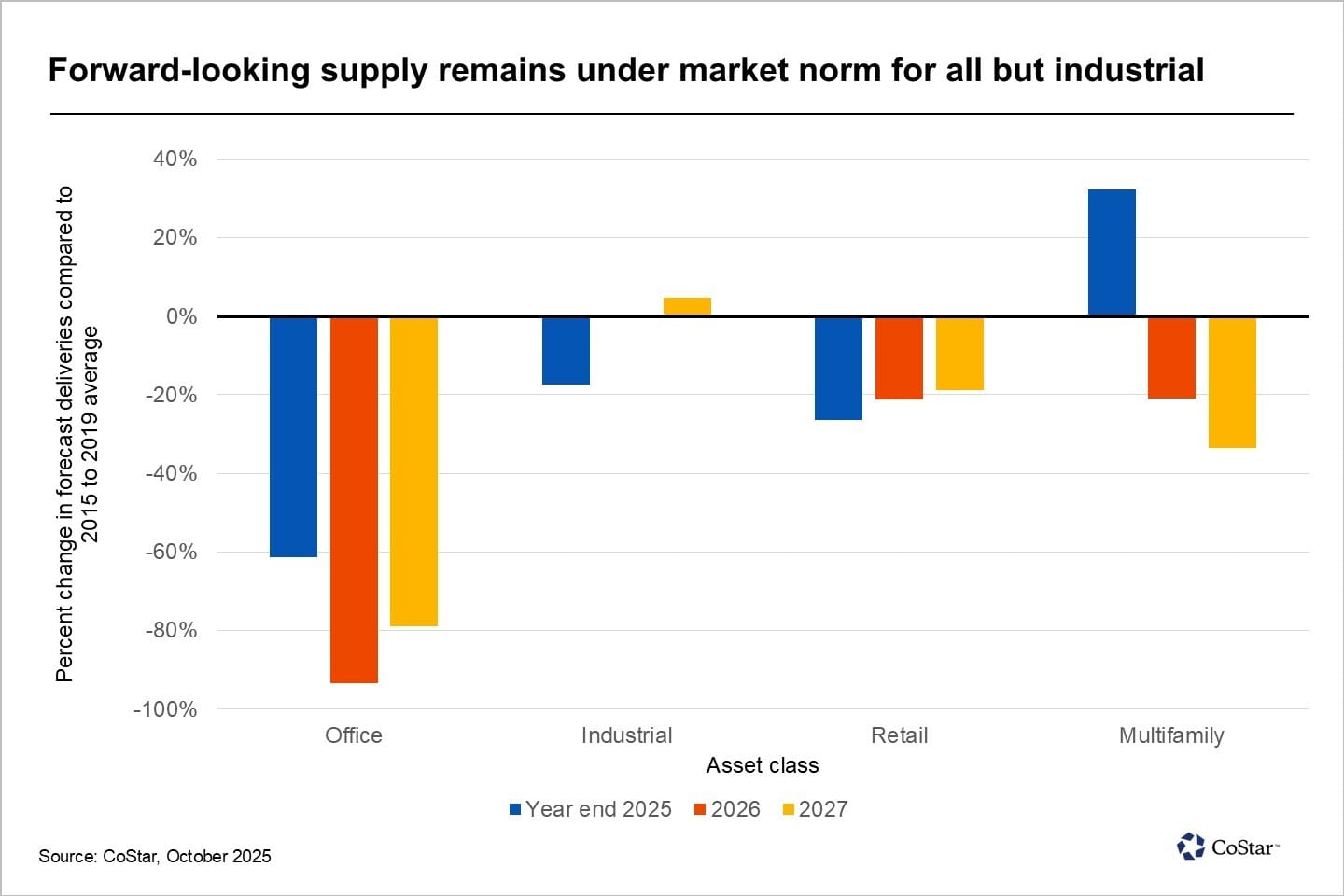
The DFW market is transitioning into a new construction phase marked by a slowdown in office development, a more selective approach to industrial projects, and an evolving housing landscape shaped by affordability and population growth. Developers are recalibrating their priorities, and for real estate professionals, understanding these shifts offers a critical edge in navigating—and capitalizing on—the next phase of the metroplex’s growth.

Zillow Faces New Lawsuit Over Alleged Pressure on Buyers to Use Zillow Home Loans

A new federal lawsuit claims Zillow pushed homebuyers toward Zillow Home Loans by rewarding affiliated agents with valuable leads — all without proper disclosure. The suit alleges undisclosed incentives, referral quotas, and potential RESPA violations, raising major concerns about steering, fiduciary duties, and Zillow’s expanding mortgage ambitions.

Embracing Innovation to Stay Competitive in a Shifting Mortgage Market

The mortgage industry is evolving fast, and the lenders who come out on top will be those who innovate without uprooting what already works. By building on strong technology foundations, streamlining workflows and adopting smart automation, lenders can reduce costs, improve customer experience and stay resilient in any market cycle. This article breaks down why innovation matters now, how a stable tech ecosystem protects lenders in volatile conditions and why small, strategic steps can drive long-term transformation.