Revolutionizing Cancer Therapy: The Promise of Patient-Derived Organoids
In a groundbreaking exploration published by Frontiers in Cell and Developmental Biology, the future of cancer therapy is being reshaped by patient-derived organoids (PDOs). These three-dimensional cell cultures, directly harvested from a patient’s tumor, are poised to transform drug development and personalized medicine.
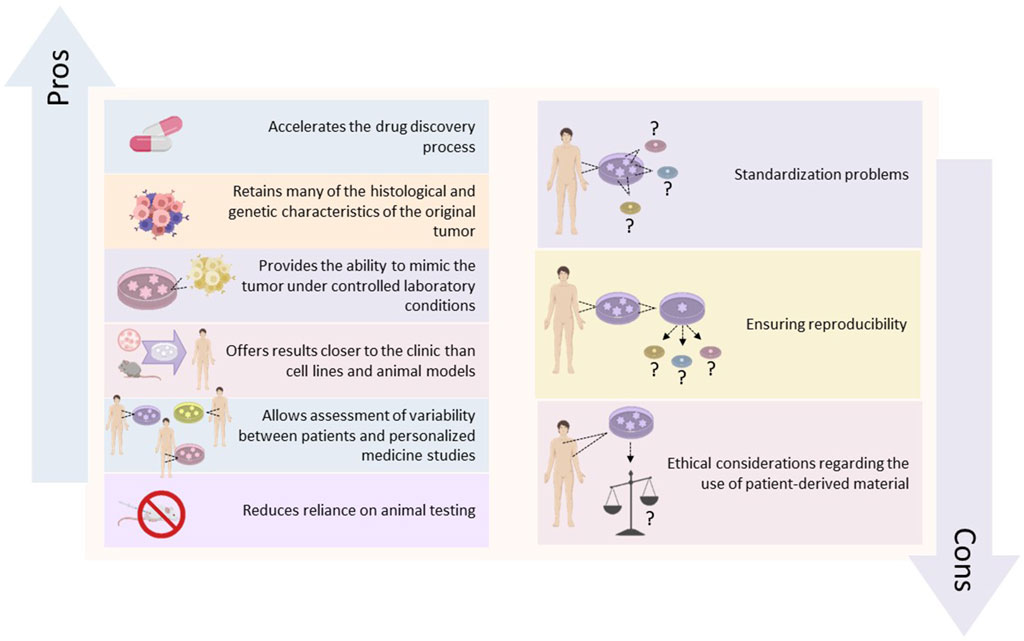
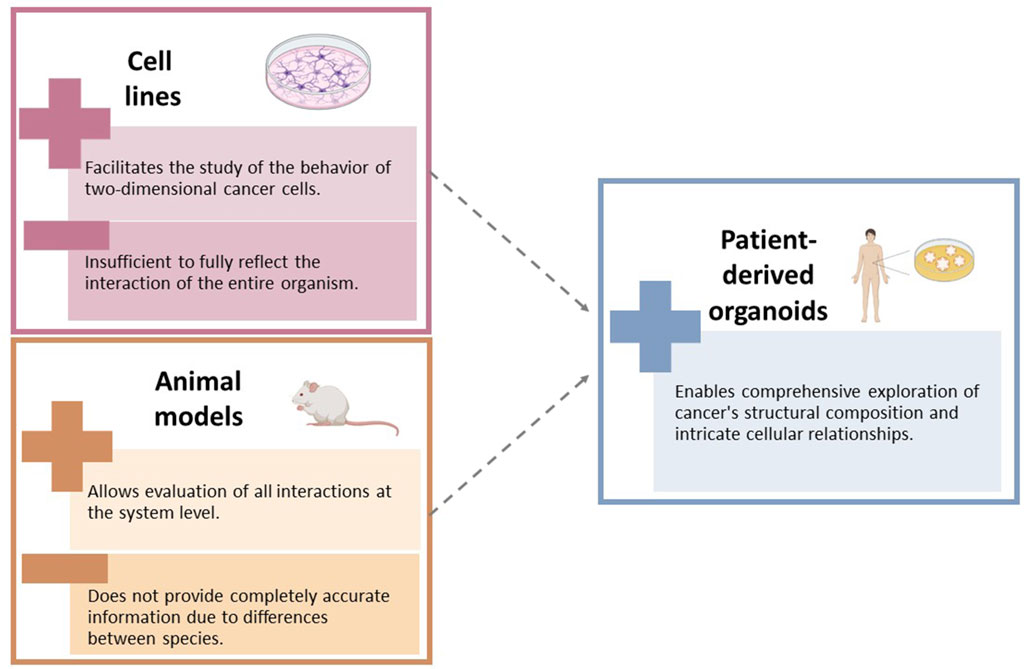
PDOs offer an unprecedented opportunity to replicate the complex structure and genetic makeup of cancers, providing a more accurate model for clinical drug screening and pharmacognostic assessment. Their ability to mimic the patient’s tumor environment allows researchers to predict treatment responses and facilitate novel drug discoveries, marking a significant advancement in oncology.
The Rise of Personalized Medicine
The integration of PDOs into personalized medicine is not just a trend but a necessity. By tailoring treatments to the individual genetic profiles of patients, these organoids are revolutionizing how clinicians approach cancer therapy. This shift towards a more personalized strategy is anticipated to enhance treatment efficacy while reducing side effects.
However, the application of PDOs is not without challenges. Scaling up organoid cultures, ensuring consistent results, and addressing ethical concerns related to the use of patient-derived materials are significant hurdles that researchers must overcome. These challenges underscore the importance of a multidisciplinary approach, involving collaboration across fields such as oncology, biology, pharmacology, and ethics.
Technological Advancements
Recent biotechnological advancements have propelled the field of PDOs forward. Innovations in organoid culturing, such as the use of synthetic hydrogels and microfluidic systems, are enhancing the reproducibility and scalability of these models. Moreover, the integration of 3D bioprinting technology allows for the creation of complex structures that more accurately reflect the tumor microenvironment, including vascular networks crucial for studying anticancer drug effects.
Despite these technological strides, the full potential of PDOs in cancer research is yet to be realized. The scientific community continues to address challenges related to cost, accessibility, and standardization to ensure broader adoption in research and clinical settings.
Future Perspectives
As the oncology landscape evolves, PDOs are set to play a pivotal role in the future of cancer treatment. They hold the promise of bridging the gap between preclinical studies and clinical outcomes, ultimately enhancing patient care worldwide. The continued investment in research and the development of robust regulatory frameworks will be crucial in overcoming current obstacles and unlocking the transformative potential of PDOs.
For more insights into the potential of patient-derived organoids in drug development, visit the original article.
More Articles
Getting licensed or staying ahead in your career can be a journey—but it doesn’t have to be overwhelming. Grab your favorite coffee or tea, take a moment to relax, and browse through our articles. Whether you’re just starting out or renewing your expertise, we’ve got tips, insights, and advice to keep you moving forward. Here’s to your success—one sip and one step at a time!
Michigan hunters are set to experience significant changes in the upcoming deer hunting season as new regulations are announced by the Michigan Department of Natural Resources (DNR). These changes, effective August 1, are aimed at refining hunting practices and ensuring sustainable wildlife management.
Beginning on May 7, 2025, anyone aged 18 and older will need a Real ID-compliant driver's license or another TSA-approved identification to board domestic flights or access certain federal facilities. The Real ID, identifiable by a star in the upper right corner of Wisconsin IDs, is a more secure version of a driver's license.
As the vibrant housing market in Washington, D.C. continues to flourish, aspiring real estate agents are eager to make their mark. But with a myriad of educational options, selecting the right real estate school can be daunting.
In today's complex financial landscape, the role of a Certified Financial Planner (CFP) has become increasingly crucial for individuals seeking sound financial advice.
In an era where the voices of the younger generation are more crucial than ever, The New York Times has unveiled its much-anticipated 2024-25 Student Contest Calendar.
In the rapidly evolving world of artificial intelligence, researchers are facing a new challenge: developing tests that A.I. systems cannot easily pass... This trend raises a chilling question: Are A.I. systems becoming too advanced for us to measure effectively?