
Revolutionizing Cancer Therapy: The Promise of Patient-Derived Organoids

In a groundbreaking exploration published by Frontiers in Cell and Developmental Biology, the future of cancer therapy is being reshaped by patient-derived organoids (PDOs). These three-dimensional cell cultures, directly harvested from a patient’s tumor, are poised to transform drug development and personalized medicine.

PDOs offer an unprecedented opportunity to replicate the complex structure and genetic makeup of cancers, providing a more accurate model for clinical drug screening and pharmacognostic assessment. Their ability to mimic the patient’s tumor environment allows researchers to predict treatment responses and facilitate novel drug discoveries, marking a significant advancement in oncology.

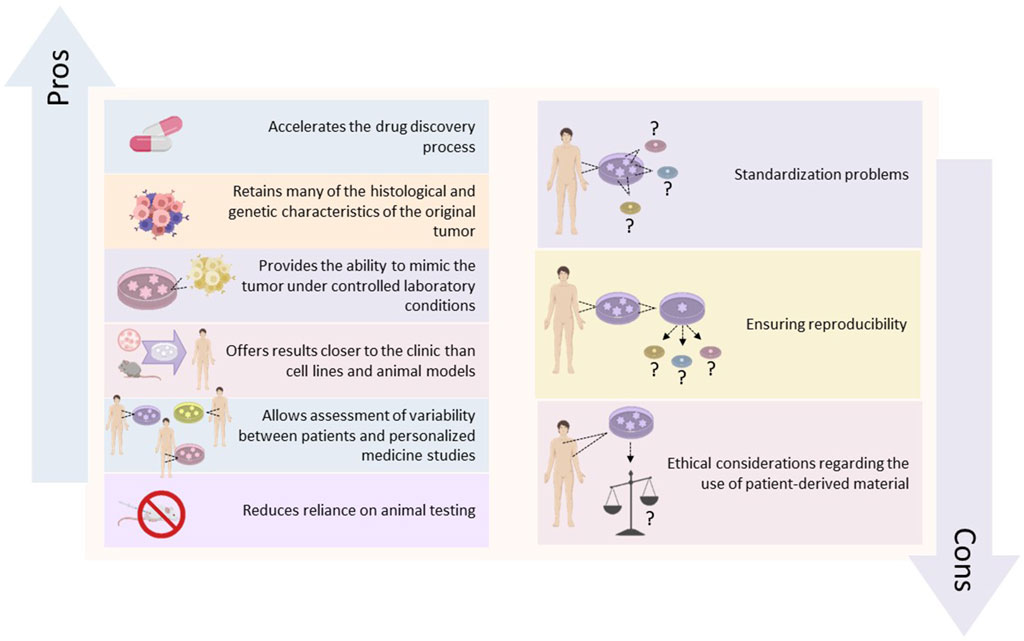
Advantages and disadvantages of pdos in cancer research

The Rise of Personalized Medicine

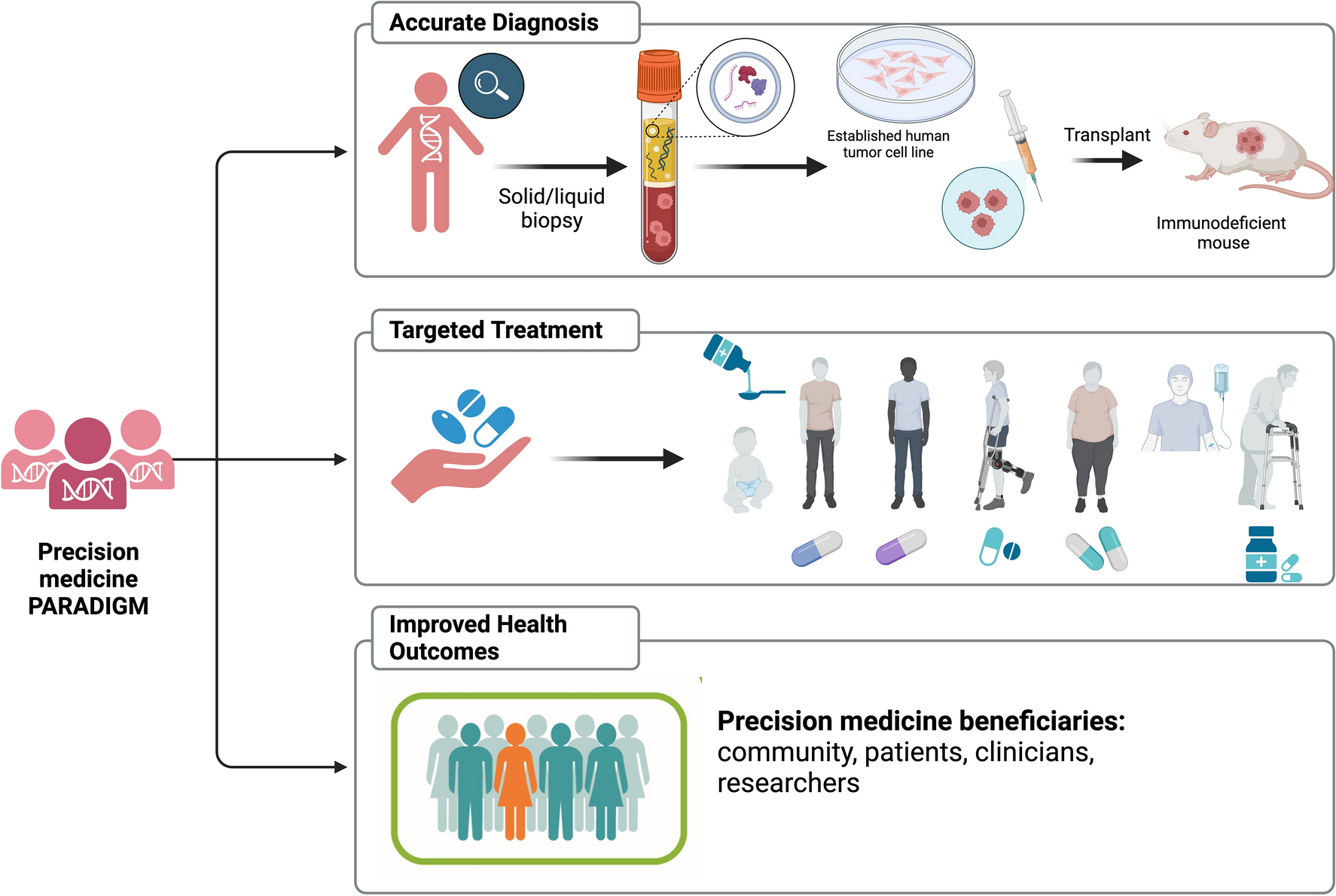
The integration of PDOs into personalized medicine is not just a trend but a necessity. By tailoring treatments to the individual genetic profiles of patients, these organoids are revolutionizing how clinicians approach cancer therapy. This shift towards a more personalized strategy is anticipated to enhance treatment efficacy while reducing side effects.

However, the application of PDOs is not without challenges. Scaling up organoid cultures, ensuring consistent results, and addressing ethical concerns related to the use of patient-derived materials are significant hurdles that researchers must overcome. These challenges underscore the importance of a multidisciplinary approach, involving collaboration across fields such as oncology, biology, pharmacology, and ethics.

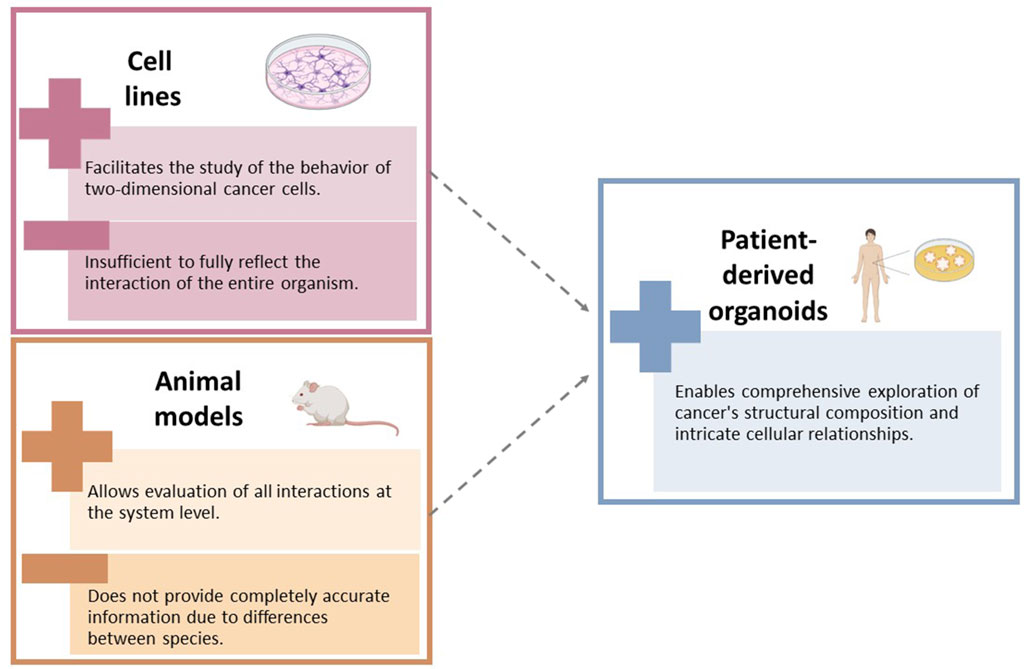
Limitations of cell lines and animal models in cancer research

Technological Advancements

Recent biotechnological advancements have propelled the field of PDOs forward. Innovations in organoid culturing, such as the use of synthetic hydrogels and microfluidic systems, are enhancing the reproducibility and scalability of these models. Moreover, the integration of 3D bioprinting technology allows for the creation of complex structures that more accurately reflect the tumor microenvironment, including vascular networks crucial for studying anticancer drug effects.

Despite these technological strides, the full potential of PDOs in cancer research is yet to be realized. The scientific community continues to address challenges related to cost, accessibility, and standardization to ensure broader adoption in research and clinical settings.

Patient-derived organoids in current and future applications

Future Perspectives

As the oncology landscape evolves, PDOs are set to play a pivotal role in the future of cancer treatment. They hold the promise of bridging the gap between preclinical studies and clinical outcomes, ultimately enhancing patient care worldwide. The continued investment in research and the development of robust regulatory frameworks will be crucial in overcoming current obstacles and unlocking the transformative potential of PDOs.

For more insights into the potential of patient-derived organoids in drug development, visit the original article.

More Articles

Getting licensed or staying ahead in your career can be a journey—but it doesn’t have to be overwhelming. Grab your favorite coffee or tea, take a moment to relax, and browse through our articles. Whether you’re just starting out or renewing your expertise, we’ve got tips, insights, and advice to keep you moving forward. Here’s to your success—one sip and one step at a time!

AI Transforming Health Care: Bridging Academic and Clinical Practices

Artificial intelligence (AI) is revolutionizing diagnostics, treatment, and patient care, with significant advancements particularly noted in fields like radiology and oncology.

AI Revolutionizes Cancer Diagnostics

AI tools are now being leveraged to analyze images and tissue samples, offering insights that surpass traditional methods. AI's integration into healthcare, particularly in oncology, marks a significant shift towards precision medicine.

By |November 19, 2024|Categories: Article, Healthcare, Technology|Tags: , |0 Comments

AI in Precision Medicine: Navigating Challenges and Embracing Opportunities

AI's potential to revolutionize healthcare lies in its ability to process vast amounts of data, uncover hidden patterns, and support clinical decision-making. It is particularly promising in the realms of drug development and clinical practice, where it can streamline processes, reduce costs, and improve patient experiences.

The Expanding Role of Telehealth in Nursing

Nurses, the unsung heroes on the front lines of patient care, are increasingly embracing telehealth technology as a core component of their roles. Telehealth offers a transformative opportunity to enhance patient outcomes and broaden access to healthcare. This shift is particularly pertinent in the face of an aging population and ongoing nursing shortages.

By |November 19, 2024|Categories: Article, Nursing, Telehealth|Tags: , |0 Comments

AI Revolutionizing Healthcare: From Diagnostics to Pandemics

AI enhances the ability to interpret medical images such as X-rays and MRIs, often surpassing human accuracy. By identifying patterns that even seasoned professionals might miss, AI complements human expertise, improving diagnostic precision.

By |November 18, 2024|Categories: Article, Healthcare, Technology|Tags: , |0 Comments