Revolutionizing Cancer Therapy: The Promise of Patient-Derived Organoids
In a groundbreaking exploration published by Frontiers in Cell and Developmental Biology, the future of cancer therapy is being reshaped by patient-derived organoids (PDOs). These three-dimensional cell cultures, directly harvested from a patient’s tumor, are poised to transform drug development and personalized medicine.
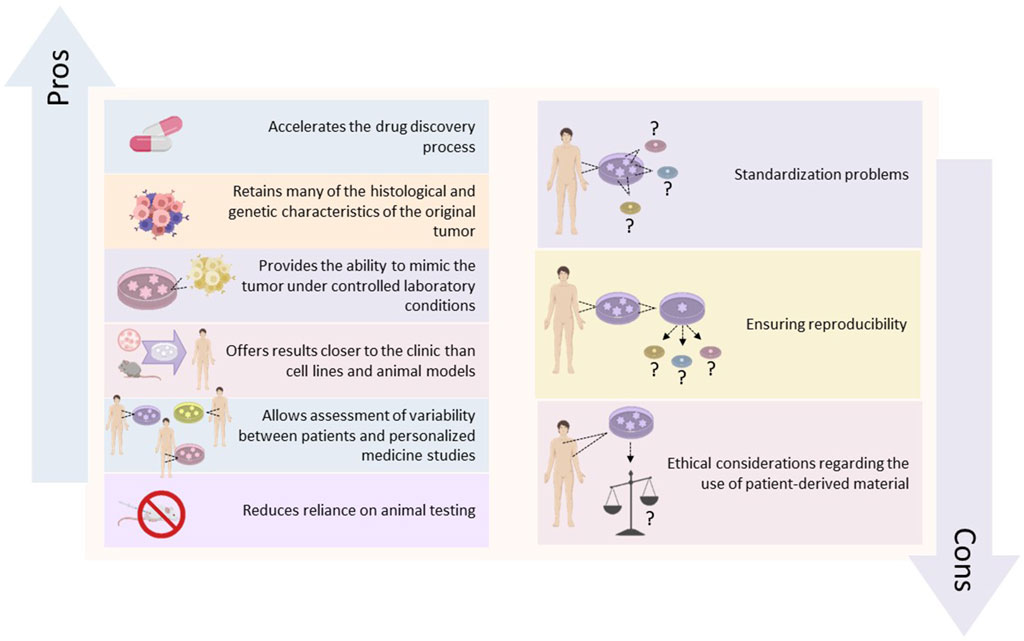
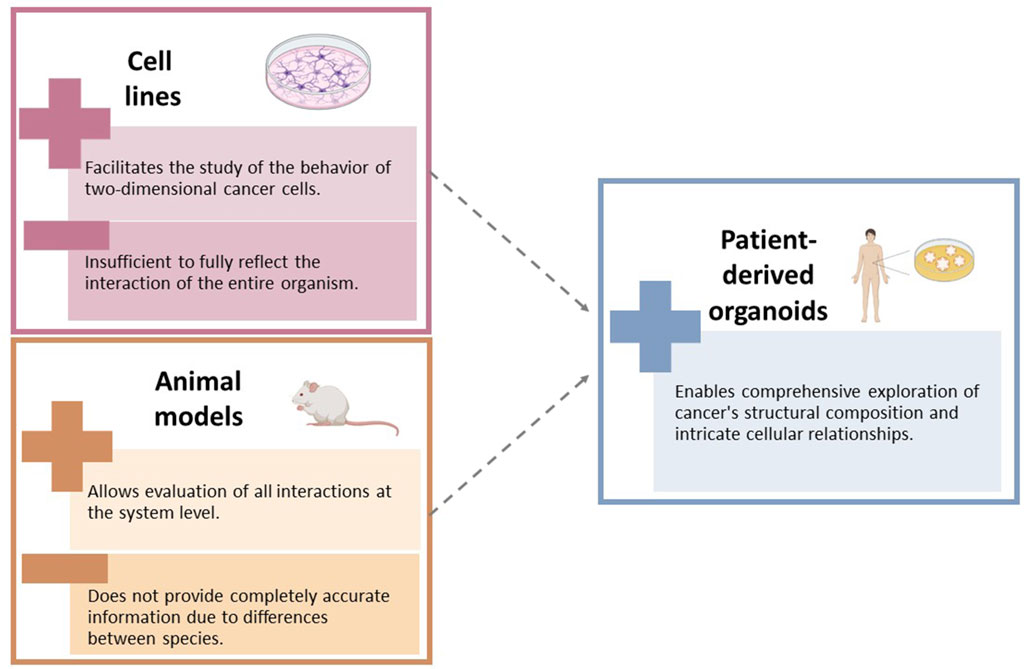
PDOs offer an unprecedented opportunity to replicate the complex structure and genetic makeup of cancers, providing a more accurate model for clinical drug screening and pharmacognostic assessment. Their ability to mimic the patient’s tumor environment allows researchers to predict treatment responses and facilitate novel drug discoveries, marking a significant advancement in oncology.
The Rise of Personalized Medicine
The integration of PDOs into personalized medicine is not just a trend but a necessity. By tailoring treatments to the individual genetic profiles of patients, these organoids are revolutionizing how clinicians approach cancer therapy. This shift towards a more personalized strategy is anticipated to enhance treatment efficacy while reducing side effects.
However, the application of PDOs is not without challenges. Scaling up organoid cultures, ensuring consistent results, and addressing ethical concerns related to the use of patient-derived materials are significant hurdles that researchers must overcome. These challenges underscore the importance of a multidisciplinary approach, involving collaboration across fields such as oncology, biology, pharmacology, and ethics.
Technological Advancements
Recent biotechnological advancements have propelled the field of PDOs forward. Innovations in organoid culturing, such as the use of synthetic hydrogels and microfluidic systems, are enhancing the reproducibility and scalability of these models. Moreover, the integration of 3D bioprinting technology allows for the creation of complex structures that more accurately reflect the tumor microenvironment, including vascular networks crucial for studying anticancer drug effects.
Despite these technological strides, the full potential of PDOs in cancer research is yet to be realized. The scientific community continues to address challenges related to cost, accessibility, and standardization to ensure broader adoption in research and clinical settings.
Future Perspectives
As the oncology landscape evolves, PDOs are set to play a pivotal role in the future of cancer treatment. They hold the promise of bridging the gap between preclinical studies and clinical outcomes, ultimately enhancing patient care worldwide. The continued investment in research and the development of robust regulatory frameworks will be crucial in overcoming current obstacles and unlocking the transformative potential of PDOs.
For more insights into the potential of patient-derived organoids in drug development, visit the original article.
More Articles
Getting licensed or staying ahead in your career can be a journey—but it doesn’t have to be overwhelming. Grab your favorite coffee or tea, take a moment to relax, and browse through our articles. Whether you’re just starting out or renewing your expertise, we’ve got tips, insights, and advice to keep you moving forward. Here’s to your success—one sip and one step at a time!
The Trump administration is considering letting homeowners take their low mortgage rates with them when they move—a major shift that could ease inventory shortages but disrupt mortgage‑backed securities and raise legal challenges.
Washington State regulators issued more than $62,650 in penalties, fees, and restitution to a mortgage broker after uncovering widespread violations, including inaccurate call reports, 79 webpages missing mandatory disclosures, prohibited advertising language, unregistered trade names, and improper borrower preapprovals. The case serves as a crucial reminder for all mortgage, real estate, insurance, and finance professionals to stay vigilant with compliance as oversight continues to tighten nationwide.
Hidden homeownership expenses are climbing fast, with Zillow revealing that Americans now pay nearly $16,000 a year in taxes, insurance, and maintenance—up sharply from previous years. Soaring premiums, especially in Florida, and rising upkeep costs are reshaping affordability, slowing sales, and creating new challenges for both first-time buyers and seasoned homeowners.
The latest Ivans Index reveals a mixed but meaningful shift in the 2025 commercial insurance landscape, with most major coverages—including commercial auto, general liability, BOP, property, and umbrella—experiencing year‑over‑year premium increases. Workers’ compensation remains the lone category trending downward. Rising claims costs, reinsurance pressures, and market capacity changes continue to drive rates upward, while Ivans’ new Benchmarks tool brings real‑time pricing intelligence to insurers. For real estate, insurance, mortgage, and business professionals, staying informed on these changes is key to planning, budgeting, and managing risk in the year ahead.
This week’s mortgage update brought only a slight rate decline, but a much bigger conversation: the possibility of a 50-year mortgage. While a longer term could lower monthly payments by about $130 on a typical $400,000 loan, experts warn it would add more than $500,000 in extra interest and dramatically slow equity growth. With inflation still elevated and the Fed’s next moves uncertain, mortgage rates may edge higher heading into the season. Real estate and mortgage professionals should be ready to address client questions as this ultra-long loan idea gains attention, especially in markets like Florida where affordability remains tight.
LKP Finance reported a solid Rs 583.15‑lakh profit for Q2 2025 — but beneath the surface lies a storm of leadership changes, litigation over multi‑crore debts, a rare 12‑year‑old loan write‑back, and a full corporate transformation into Gyftr Limited. From compliance shake‑ups to a dramatic pivot into digital gifting and fintech, this quarter offers big lessons for professionals navigating fast‑evolving industries.