Revolutionizing Clinical Care: The Age of Genome Sequencing
In a world where precision medicine is no longer a distant dream but a present reality, genome sequencing (GS) is taking center stage, reshaping how we approach the diagnosis and treatment of genetic conditions. The significance of genomics and multi-omics in the medical field has surged, driven by the increasing affordability and accessibility of GS technology. This shift is transforming the landscape of healthcare, particularly in the realms of rare diseases and cancer.
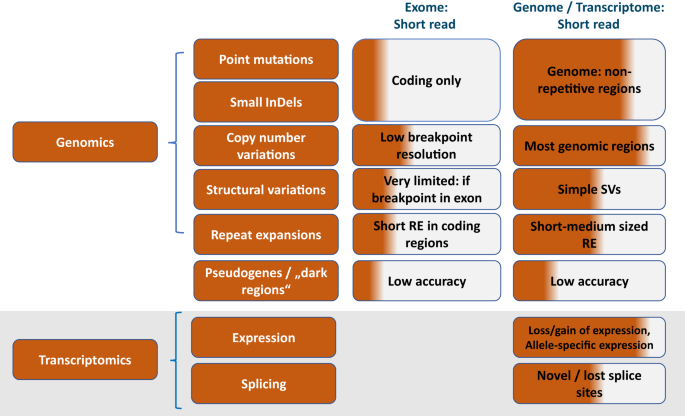
The original article from Nature delves into this transformative journey, highlighting the role of GS in providing precise molecular diagnoses. It not only addresses the technical and diagnostic superiority of GS over other sequencing methods but also emphasizes its broader implications for medical management and patient outcomes.
The Rise of Genome Sequencing in Clinical Care
The transition of GS into routine clinical practice marks a significant milestone. As sequencing and data analysis capacities advance, GS is becoming a first-line diagnostic tool in clinical settings. This evolution is not just about identifying the underlying causes of diseases but also about predicting genetic risks for conditions that have yet to manifest.
Studies Paving the Path Forward
Studies like Genome First and Ge-Med are at the forefront of implementing genome-based medicine. These initiatives aim to integrate GS into clinical workflows, enhancing early disease detection and personalized treatment strategies. The impact of these efforts is profound, potentially altering medical management and improving patient outcomes.
For those interested in exploring the original article further, you can find additional resources and supporting references here. The article provides a comprehensive look at how genome sequencing is poised to revolutionize clinical care, offering a glimpse into a future where precision medicine is the norm.
More Articles
Getting licensed or staying ahead in your career can be a journey—but it doesn’t have to be overwhelming. Grab your favorite coffee or tea, take a moment to relax, and browse through our articles. Whether you’re just starting out or renewing your expertise, we’ve got tips, insights, and advice to keep you moving forward. Here’s to your success—one sip and one step at a time!
"Remote work has redefined what homebuyers seek in a property. The demand for larger living spaces has surged as individuals prioritize homes that can accommodate both living and working activities."
Extreme weather events are expected to become more common, affecting real-estate asset values through higher insurance premiums and disruption costs. Despite this, the risk is not yet adequately priced into transaction yields.
Generative AI (GenAI) is emerging as a transformative force, poised to revolutionize real estate operations by automating and optimizing functions such as property operations and asset management with unprecedented insights and efficiency gains.
Almal Real Estate, known for its innovative approaches in the real estate sector, is now setting its sights on international markets, including the UAE, Bali, and Thailand. This expansion is part of a broader strategy to diversify its portfolio and tap into the lucrative commercial real estate sector.
The commercial real estate sector is poised for significant transformation as we move into 2025. This evolution is driven by a confluence of economic shifts, demographic changes, and technological advancements, creating both challenges and opportunities for stakeholders in the industry.
The introduction of a national guidance framework for Global Capability Centres (GCCs) is set to bolster the sector significantly, particularly in tier-II and tier-III cities.