
Revolutionizing Clinical Care: The Age of Genome Sequencing

In a world where precision medicine is no longer a distant dream but a present reality, genome sequencing (GS) is taking center stage, reshaping how we approach the diagnosis and treatment of genetic conditions. The significance of genomics and multi-omics in the medical field has surged, driven by the increasing affordability and accessibility of GS technology. This shift is transforming the landscape of healthcare, particularly in the realms of rare diseases and cancer.

Genome sequencing

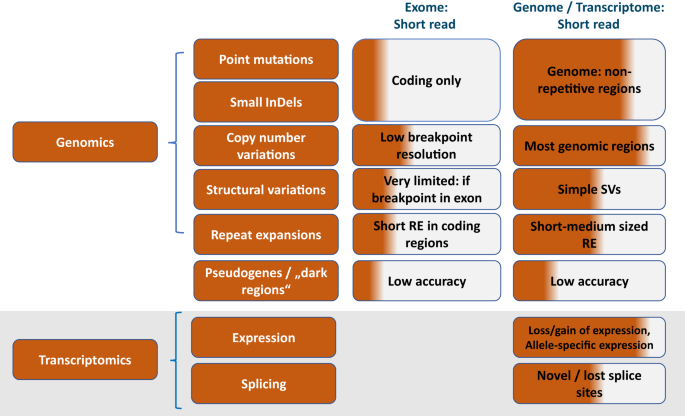
The original article from Nature delves into this transformative journey, highlighting the role of GS in providing precise molecular diagnoses. It not only addresses the technical and diagnostic superiority of GS over other sequencing methods but also emphasizes its broader implications for medical management and patient outcomes.

The Rise of Genome Sequencing in Clinical Care

The transition of GS into routine clinical practice marks a significant milestone. As sequencing and data analysis capacities advance, GS is becoming a first-line diagnostic tool in clinical settings. This evolution is not just about identifying the underlying causes of diseases but also about predicting genetic risks for conditions that have yet to manifest.

Studies Paving the Path Forward

Studies like Genome First and Ge-Med are at the forefront of implementing genome-based medicine. These initiatives aim to integrate GS into clinical workflows, enhancing early disease detection and personalized treatment strategies. The impact of these efforts is profound, potentially altering medical management and improving patient outcomes.

For those interested in exploring the original article further, you can find additional resources and supporting references here. The article provides a comprehensive look at how genome sequencing is poised to revolutionize clinical care, offering a glimpse into a future where precision medicine is the norm.

More Articles

Getting licensed or staying ahead in your career can be a journey—but it doesn’t have to be overwhelming. Grab your favorite coffee or tea, take a moment to relax, and browse through our articles. Whether you’re just starting out or renewing your expertise, we’ve got tips, insights, and advice to keep you moving forward. Here’s to your success—one sip and one step at a time!

Artificial Intelligence in Diagnostics: A Revolution in Healthcare

The global market for artificial intelligence in diagnostics is poised for remarkable growth, with projections estimating it to reach USD 7.3 billion by 2032.

By |December 10, 2024|Categories: Article, Artificial Intelligence, Healthcare|Tags: , |0 Comments

Revolutionizing Medical Education with Extended Reality

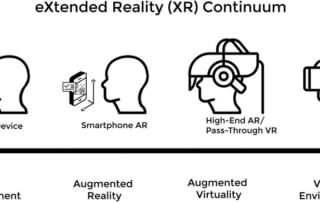
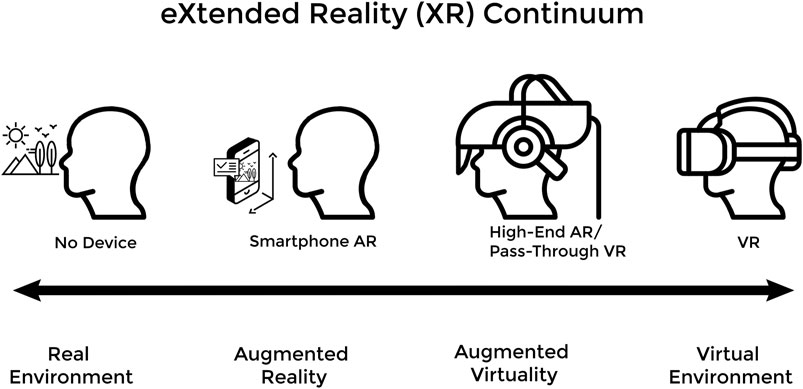
In the ever-evolving landscape of medical education, a new player has emerged, promising to revolutionize the way future doctors are trained. The integration of eXtended Reality (XR) technologies is reshaping the educational landscape by addressing the limitations of traditional methods.

Genetic Testing: A New Dawn in Healthcare

Genetic testing represents more than just a scientific advancement; it signifies a fundamental shift in how we approach health and wellness.

Sustainable Architecture: Blending Innovation with Ecological Responsibility

The journey toward sustainable architecture is ongoing, with each project serving as a beacon of what's achievable when creativity meets ecological awareness.

By |December 9, 2024|Categories: Architecture, Article, Sustainability|Tags: |0 Comments

AI in Clinical and Molecular Diagnostics: A Market on the Rise

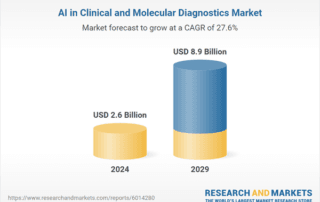
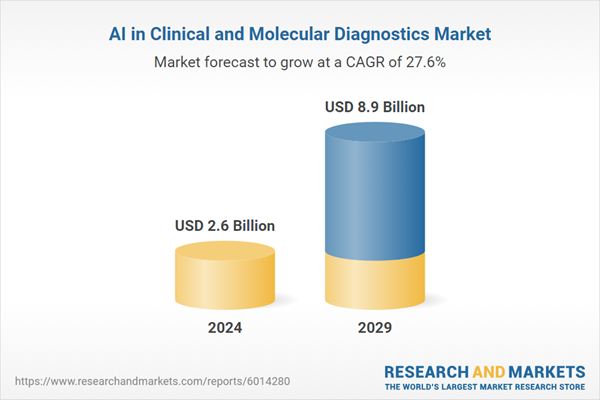
AI in Clinical and Molecular Diagnostics Market is set to experience remarkable growth, projected to surge from USD 2.6 billion in 2024 to USD 8.9 billion by 2029. This growth is driven by the integration of advanced AI technologies such as machine learning and deep learning into traditional diagnostic methodologies like imaging, genomics, and laboratory testing.

AI: A Revolution in Healthcare’s Future

AI is not a distant dream but a present reality, already integrated into everyday life through virtual assistants like Alexa and Siri. AI shows promise in enhancing medical accuracy, such as in predicting mesothelioma survival and improving colonoscopy accuracy, it is not intended to replace healthcare professionals.