In an era where the COVID-19 pandemic has reshaped the educational landscape, a groundbreaking study published on Frontiers reveals a transformative approach for bio-pharmaceutical students in China. The study, titled “Online-Offline Teaching for Bio-Pharmaceutical Students During the COVID-19 Pandemic,” explores the efficacy of a blended teaching model that combines online education with offline outcome-based learning.
Blending Tradition with Innovation
As traditional face-to-face teaching faced unprecedented challenges, educators were compelled to innovate. This study introduces a hybrid model that merges online learning with offline methodologies, aiming to enhance student engagement and comprehension. The model integrates “case study + knowledge point + applications,” a strategy that has shown promising results in application-oriented universities across China.
Methodology and Results
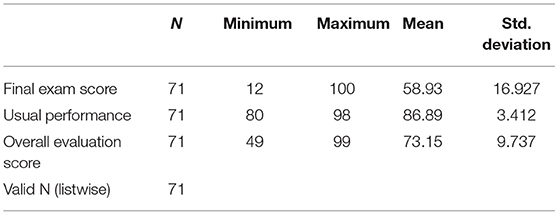
The researchers conducted a comparative analysis involving two groups of undergraduates. The experimental group, which experienced the blended model, demonstrated greater differentiation in learning outcomes compared to the control group, which adhered to traditional teaching methods. This approach not only fostered a deeper understanding of advanced mathematics but also encouraged students to apply their knowledge in real-world scenarios.
Implications for the Future
The findings underscore the potential of blended learning models in transforming educational practices. By leveraging technology and innovative teaching strategies, educators can cater to diverse learning needs, thereby preparing students for future challenges. As the study suggests, the key lies in stimulating student interest and fostering an environment conducive to autonomous learning.
Conclusion
As we navigate the complexities of post-pandemic education, this study serves as a beacon of hope and innovation. It highlights the importance of adapting teaching methods to meet the evolving demands of students and underscores the role of educators in driving educational reform. For more detailed insights, the full study can be accessed through its DOI link.
References:
Abramovich, S., Grinshpan, A. Z., & Milligan, D. L. (2019). Teaching mathematics through concept motivation and action learning. Edu Res Int.CrossRef
Armstrong-Mensah, E., et al. (2020). COVID-19 and distance learning: effects on Georgia state University school of public health students. Front Public Health.CrossRef
More Articles
Getting licensed or staying ahead in your career can be a journey—but it doesn’t have to be overwhelming. Grab your favorite coffee or tea, take a moment to relax, and browse through our articles. Whether you’re just starting out or renewing your expertise, we’ve got tips, insights, and advice to keep you moving forward. Here’s to your success—one sip and one step at a time!
Artificial intelligence is speeding ahead, but real estate is discovering a hard truth: AI can’t work well on messy, inconsistent, and siloed data. Unlike finance or e‑commerce, the industry has never agreed on shared definitions or standardized frameworks, making it difficult for AI tools to interpret information at scale. Now, leaders across real estate are realizing that the real breakthrough won’t come from smarter algorithms—it will come from finally unifying the industry’s fragmented data so AI can deliver its full value.
Manhattan’s iconic Waldorf Astoria is hitting the market again—and its billion‑dollar price tag may reveal whether commercial real estate is finally recovering. After years of inflation, shutdowns, and stalled investment, new forecasts from major firms show growing optimism, making this sale a critical test for the 2026 market.
Homeowners across Florida are facing sharp increases in their escrow payments as insurance premiums continue to rise. With insurers leaving the state, rates climbing, and replacement policies costing far more, many residents are experiencing sudden spikes in their monthly mortgage bills. These escalating insurance-driven escrow costs are reshaping affordability, influencing buyer qualifications, and redefining financial stability for Floridians and the broader real estate market.
The modern MLS marketplace is one of real estate’s greatest success stories: transparent, efficient, and designed to help buyers and sellers win. But its very effectiveness has sparked a new risk — professionals looking to “stand out” by limiting exposure and restricting information. Research shows that full MLS visibility can boost a seller’s price by $50,000 to $75,000, yet off‑market tactics threaten to chip away at the system that delivers those gains. The MLS doesn’t need replacing; it needs thoughtful upgrades and well‑trained professionals who know how to protect and leverage its power.
Florida homeowners are being hit with a new kind of sticker shock as rising insurance premiums push escrow payments sharply higher, adding hundreds of dollars to monthly mortgage bills. The surge is reshaping budgets, impacting buyer qualification, and redefining affordability across the state. With insurers pulling back and premiums climbing faster than wages, both current owners and hopeful buyers must now navigate a market where insurance risk—not just home price—plays a major role in the true cost of living in the Sunshine State.
Florida’s mobile and manufactured homes are surging in popularity, but insuring them requires specialized HO-7 coverage designed for structures built off-site and more vulnerable to wind and weather. With rising premiums, unique risks, and new 2026 market shifts, homeowners and industry professionals need to understand what these policies cover, what they don’t, which insurers are leading the pack, and how to save without sacrificing protection.