In an era where the COVID-19 pandemic has reshaped the educational landscape, a groundbreaking study published on Frontiers reveals a transformative approach for bio-pharmaceutical students in China. The study, titled “Online-Offline Teaching for Bio-Pharmaceutical Students During the COVID-19 Pandemic,” explores the efficacy of a blended teaching model that combines online education with offline outcome-based learning.
Blending Tradition with Innovation
As traditional face-to-face teaching faced unprecedented challenges, educators were compelled to innovate. This study introduces a hybrid model that merges online learning with offline methodologies, aiming to enhance student engagement and comprehension. The model integrates “case study + knowledge point + applications,” a strategy that has shown promising results in application-oriented universities across China.
Methodology and Results
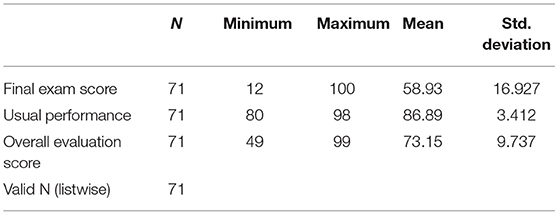
The researchers conducted a comparative analysis involving two groups of undergraduates. The experimental group, which experienced the blended model, demonstrated greater differentiation in learning outcomes compared to the control group, which adhered to traditional teaching methods. This approach not only fostered a deeper understanding of advanced mathematics but also encouraged students to apply their knowledge in real-world scenarios.
Implications for the Future
The findings underscore the potential of blended learning models in transforming educational practices. By leveraging technology and innovative teaching strategies, educators can cater to diverse learning needs, thereby preparing students for future challenges. As the study suggests, the key lies in stimulating student interest and fostering an environment conducive to autonomous learning.
Conclusion
As we navigate the complexities of post-pandemic education, this study serves as a beacon of hope and innovation. It highlights the importance of adapting teaching methods to meet the evolving demands of students and underscores the role of educators in driving educational reform. For more detailed insights, the full study can be accessed through its DOI link.
References:
Abramovich, S., Grinshpan, A. Z., & Milligan, D. L. (2019). Teaching mathematics through concept motivation and action learning. Edu Res Int.CrossRef
Armstrong-Mensah, E., et al. (2020). COVID-19 and distance learning: effects on Georgia state University school of public health students. Front Public Health.CrossRef
More Articles
Getting licensed or staying ahead in your career can be a journey—but it doesn’t have to be overwhelming. Grab your favorite coffee or tea, take a moment to relax, and browse through our articles. Whether you’re just starting out or renewing your expertise, we’ve got tips, insights, and advice to keep you moving forward. Here’s to your success—one sip and one step at a time!
The global digital health market is set to skyrocket, with projections estimating it will reach $551.09 billion by 2027. This growth is fueled by innovations that are setting new benchmarks in healthcare delivery.
AI is being hailed as a "triple threat" in radiology, impacting planning, scanning, and diagnosis. As detailed in a recent column by Kelly Londy of GE HealthCare, these intelligent imaging systems are ushering in seismic changes reminiscent of the transformative impact of computer-assisted tomography in the late 20th century.
In a significant move that has captured the attention of economists and homebuyers alike, the Federal Reserve recently announced a half-percentage-point cut in interest rates. This decision is poised to bring about notable changes in the housing market, though not all effects may be beneficial for prospective homeowners.
In the rapidly evolving landscape of healthcare, the integration of artificial intelligence (AI) stands as a beacon of both promise and concern. The research underscores a significant tension: while AI has the capability to enhance healthcare delivery, there is palpable unease about its impact on the traditional physician-patient relationship.
As artificial intelligence (AI) technology advances, it presents a myriad of ethical dilemmas and challenges that demand urgent attention. The USC Annenberg School for Communication and Journalism recently explored these pressing issues, highlighting the complexities involved in AI's deployment.