In an era where the COVID-19 pandemic has reshaped the educational landscape, a groundbreaking study published on Frontiers reveals a transformative approach for bio-pharmaceutical students in China. The study, titled “Online-Offline Teaching for Bio-Pharmaceutical Students During the COVID-19 Pandemic,” explores the efficacy of a blended teaching model that combines online education with offline outcome-based learning.
Blending Tradition with Innovation
As traditional face-to-face teaching faced unprecedented challenges, educators were compelled to innovate. This study introduces a hybrid model that merges online learning with offline methodologies, aiming to enhance student engagement and comprehension. The model integrates “case study + knowledge point + applications,” a strategy that has shown promising results in application-oriented universities across China.
Methodology and Results
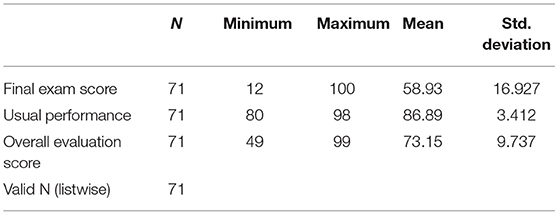
The researchers conducted a comparative analysis involving two groups of undergraduates. The experimental group, which experienced the blended model, demonstrated greater differentiation in learning outcomes compared to the control group, which adhered to traditional teaching methods. This approach not only fostered a deeper understanding of advanced mathematics but also encouraged students to apply their knowledge in real-world scenarios.
Implications for the Future
The findings underscore the potential of blended learning models in transforming educational practices. By leveraging technology and innovative teaching strategies, educators can cater to diverse learning needs, thereby preparing students for future challenges. As the study suggests, the key lies in stimulating student interest and fostering an environment conducive to autonomous learning.
Conclusion
As we navigate the complexities of post-pandemic education, this study serves as a beacon of hope and innovation. It highlights the importance of adapting teaching methods to meet the evolving demands of students and underscores the role of educators in driving educational reform. For more detailed insights, the full study can be accessed through its DOI link.
References:
Abramovich, S., Grinshpan, A. Z., & Milligan, D. L. (2019). Teaching mathematics through concept motivation and action learning. Edu Res Int.CrossRef
Armstrong-Mensah, E., et al. (2020). COVID-19 and distance learning: effects on Georgia state University school of public health students. Front Public Health.CrossRef
More Articles
Getting licensed or staying ahead in your career can be a journey—but it doesn’t have to be overwhelming. Grab your favorite coffee or tea, take a moment to relax, and browse through our articles. Whether you’re just starting out or renewing your expertise, we’ve got tips, insights, and advice to keep you moving forward. Here’s to your success—one sip and one step at a time!
Financial analysis remains one of the strongest career paths for professionals seeking high earnings, steady growth, and long-term stability. With median salaries above $100K, expanding demand across industries, and clear promotion tracks leading to senior leadership roles, the field offers both opportunity and resilience—even as AI reshapes the workplace. This article breaks down what analysts do, salary expectations, job outlook, industry demand, and whether this career is the right fit for you.
After losing their home in the Los Angeles wildfires, Jessica and Matt Conkle expected their insurance policy to help them rebuild. Instead, they found themselves trapped in delays, lowball offers, and endless adjuster changes — a struggle now shared by thousands across California. Their experience highlights a nationwide problem: insurers pulling back from climate‑risk areas, soaring premiums, shrinking coverage, and regulators under fire. For professionals in real estate, mortgage, and insurance, this growing instability is reshaping transactions, lending, risk assessment, and the future of homeownership in America.
Kansas City’s housing market is finally gaining momentum heading into 2026 as falling interest rates, new construction, and a renewed focus on affordable homes open the door for first‑time buyers. Economists say improved supply and softer mortgage rates could shift the market after a challenging 2025, giving real estate professionals and buyers a promising window of opportunity.
Nevada has become the first state to allow insurers to sell homeowners policies without wildfire protection—a move aimed at lowering premiums but raising concerns about consumer risk and mortgage barriers. The law introduces new wildfire‑only policies and a regulatory sandbox for insurance innovation, potentially setting a precedent for other Western states.
Investment groups across the U.S. are rapidly expanding into tax‑deferred real estate programs as demand for Delaware Statutory Trusts (DSTs) accelerates. Major players like Blackstone, Brookfield, Denholtz, and PREP are launching new offerings fueled by stronger market certainty, a historic generational wealth transfer, and renewed confidence in 1031 exchange benefits. As DSTs move into the mainstream, real estate professionals are finding new opportunities to guide clients through advanced tax‑advantaged investment strategies.
Canada’s proptech sector is evolving fast as AI adoption accelerates and investor caution forces startups to mature. Funding has tightened, growth rounds have slowed, and companies are shifting from rapid expansion to profitability and real product‑market fit. AI‑driven platforms like Mave are gaining traction, consolidation is rising, and government housing initiatives may boost construction‑focused tech. For real estate professionals, these trends signal a new industry standard where AI tools and ongoing education are essential to staying competitive.