In the ever-evolving realm of artificial intelligence, the optimization of AI models has become a cornerstone for enhancing performance while reducing computational costs. As we approach 2025, the techniques and strategies for AI model optimization are more crucial than ever in maintaining a competitive edge in the tech industry. AI model optimization, as discussed in a recent article by Netguru, involves refining algorithms to make AI models faster, smaller, and more accurate. This is achieved through techniques such as hyperparameter tuning, data preprocessing, and model pruning. By integrating these methods throughout the AI development lifecycle, organizations can significantly reduce computational expenses while maintaining robust model performance.

Key Techniques in AI Optimization

One of the primary strategies for optimizing AI models is hyperparameter tuning. This involves adjusting the configuration settings that control the learning process of AI models. Unlike model parameters, hyperparameters are not learned during training but are set beforehand. Techniques such as grid search, random search, and Bayesian optimization are commonly used to find the optimal settings that improve model performance. Another vital aspect is data preprocessing, which enhances the quality of the training set. A well-prepared training set should have sufficient volume, balance, variety, and be free from errors. This ensures that the AI model can learn effectively and perform well in real-world applications.

Advanced Optimization Techniques

Deep learning optimization techniques, such as quantization and pruning, are also gaining traction. Quantization reduces the precision of numbers used in a neural network, making models faster and more energy-efficient. Pruning, on the other hand, removes unnecessary connections in neural networks, thus reducing model size without affecting performance. The article emphasizes the importance of benchmarking model efficiency to measure optimization success. Metrics such as inference time, memory usage, and throughput are critical in evaluating the performance of optimized models.

Practical Applications and Future Directions

The practical applications of AI model optimization are vast, impacting industries from healthcare to finance. For instance, optimized AI models enable real-time fraud detection in financial institutions and efficient diagnostic models in healthcare settings. Looking ahead, emerging trends in AI optimization focus on data efficiency, energy consumption optimization, and the use of automated optimization tools. These advancements promise to make AI more accessible and environmentally sustainable. For more insights into AI model optimization, you can explore the original article by Netguru. The piece provides a comprehensive overview of the strategies and tools that are shaping the future of AI.


More Articles

Getting licensed or staying ahead in your career can be a journey—but it doesn’t have to be overwhelming. Grab your favorite coffee or tea, take a moment to relax, and browse through our articles. Whether you’re just starting out or renewing your expertise, we’ve got tips, insights, and advice to keep you moving forward. Here’s to your success—one sip and one step at a time!

KBank’s Crypto Dilemma: Navigating Legislative Changes Amid IPO Plans

The financial landscape in South Korea is poised for a seismic shift as KBank, a major digital bank, grapples with a legislative curveball. The bank, which is heavily reliant on deposits from Upbit, Korea’s dominant cryptocurrency exchange, is facing a potential profit squeeze. The new Virtual Asset User Protection Act, set to take effect on July 19, 2024, mandates that banks must pay interest on crypto exchange deposits, a move that could severely impact KBank's bottom line.

By |December 29, 2024|Categories: Article, Cryptocurrency, Finance|Tags: |0 Comments

The Transformation of Healthcare: AI’s Role in Diagnostics and Personalized Medicine

AI's ability to analyze vast amounts of data is paving the way for a profound change in medical diagnostics. Khosla predicted that AI could take over up to 80% of standard medical tasks, reducing errors and biases in human diagnosis. This is particularly evident in fields like radiology and pathology, where AI's proficiency in analyzing medical imaging allows for the early detection of diseases such as cancer, significantly improving treatment outcomes.

The Geography of Pandemic-Era Home Price Trends and Implications for Affordability

The COVID-19 pandemic has dramatically reshaped the housing market landscape, resulting in an unprecedented surge in home prices throughout the United States.

By |December 28, 2024|Categories: Affordability Issues, Article, Housing Market|Tags: |0 Comments

AI in Healthcare: Transforming the Industry Today and Tomorrow

In a world where technology is rapidly evolving, artificial intelligence (AI) is proving to be a game-changer in the healthcare sector. AI-powered tools are improving patient outcomes, enhancing operational efficiency, and reducing costs, reshaping the very fabric of healthcare delivery.

By |December 28, 2024|Categories: Article, Artificial Intelligence, Healthcare|Tags: |0 Comments

Revolutionizing Surgical Training with VR and AI

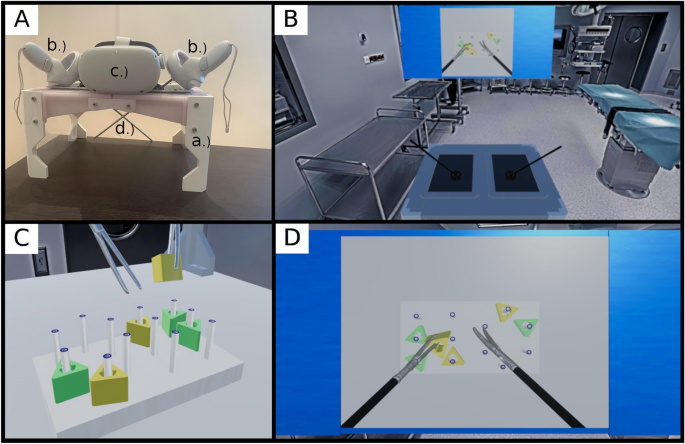
In a groundbreaking study published by Nature, researchers have unveiled a novel approach to surgical training using a low-fidelity virtual reality (VR) simulator enhanced with artificial intelligence (AI) for objective assessment. This pioneering method is poised to transform how medical students acquire laparoscopic skills, offering a cost-effective and efficient alternative to traditional training models.

AI and Machine Learning: Revolutionizing the Healthcare Industry

AI in healthcare is projected to grow into a $188 billion industry worldwide by 2030, promising to revolutionize the field. From drug development to improved diagnostics, AI is already making significant strides, transforming medical practices and enhancing patient care efficiency.

By |December 27, 2024|Categories: Article, Healthcare, Technology|Tags: , |0 Comments