In the ever-evolving realm of artificial intelligence, the optimization of AI models has become a cornerstone for enhancing performance while reducing computational costs. As we approach 2025, the techniques and strategies for AI model optimization are more crucial than ever in maintaining a competitive edge in the tech industry. AI model optimization, as discussed in a recent article by Netguru, involves refining algorithms to make AI models faster, smaller, and more accurate. This is achieved through techniques such as hyperparameter tuning, data preprocessing, and model pruning. By integrating these methods throughout the AI development lifecycle, organizations can significantly reduce computational expenses while maintaining robust model performance.

Key Techniques in AI Optimization

One of the primary strategies for optimizing AI models is hyperparameter tuning. This involves adjusting the configuration settings that control the learning process of AI models. Unlike model parameters, hyperparameters are not learned during training but are set beforehand. Techniques such as grid search, random search, and Bayesian optimization are commonly used to find the optimal settings that improve model performance. Another vital aspect is data preprocessing, which enhances the quality of the training set. A well-prepared training set should have sufficient volume, balance, variety, and be free from errors. This ensures that the AI model can learn effectively and perform well in real-world applications.

Advanced Optimization Techniques

Deep learning optimization techniques, such as quantization and pruning, are also gaining traction. Quantization reduces the precision of numbers used in a neural network, making models faster and more energy-efficient. Pruning, on the other hand, removes unnecessary connections in neural networks, thus reducing model size without affecting performance. The article emphasizes the importance of benchmarking model efficiency to measure optimization success. Metrics such as inference time, memory usage, and throughput are critical in evaluating the performance of optimized models.

Practical Applications and Future Directions

The practical applications of AI model optimization are vast, impacting industries from healthcare to finance. For instance, optimized AI models enable real-time fraud detection in financial institutions and efficient diagnostic models in healthcare settings. Looking ahead, emerging trends in AI optimization focus on data efficiency, energy consumption optimization, and the use of automated optimization tools. These advancements promise to make AI more accessible and environmentally sustainable. For more insights into AI model optimization, you can explore the original article by Netguru. The piece provides a comprehensive overview of the strategies and tools that are shaping the future of AI.

More Articles

Getting licensed or staying ahead in your career can be a journey—but it doesn’t have to be overwhelming. Grab your favorite coffee or tea, take a moment to relax, and browse through our articles. Whether you’re just starting out or renewing your expertise, we’ve got tips, insights, and advice to keep you moving forward. Here’s to your success—one sip and one step at a time!

The Genetic Revolution: CRISPR and Public Opinion

CRISPR-Cas9 democratizes the ability to edit genomes with unprecedented precision and ease, transforming scientific research and sparking profound societal and ethical debates.

Revolutionizing Healthcare: The AI Transformation

Artificial Intelligence (AI) is no longer a futuristic concept in healthcare; it is a reality reshaping the industry today. Visionaries like Vinod Khosla have long predicted AI's potential, foreseeing its ability to replace up to 80% of standard medical tasks. This transformation is now evident as AI technologies begin to outperform traditional methods, particularly in areas requiring precision and data processing.

Exploring the Intersection of AI and Patient-Centered Care

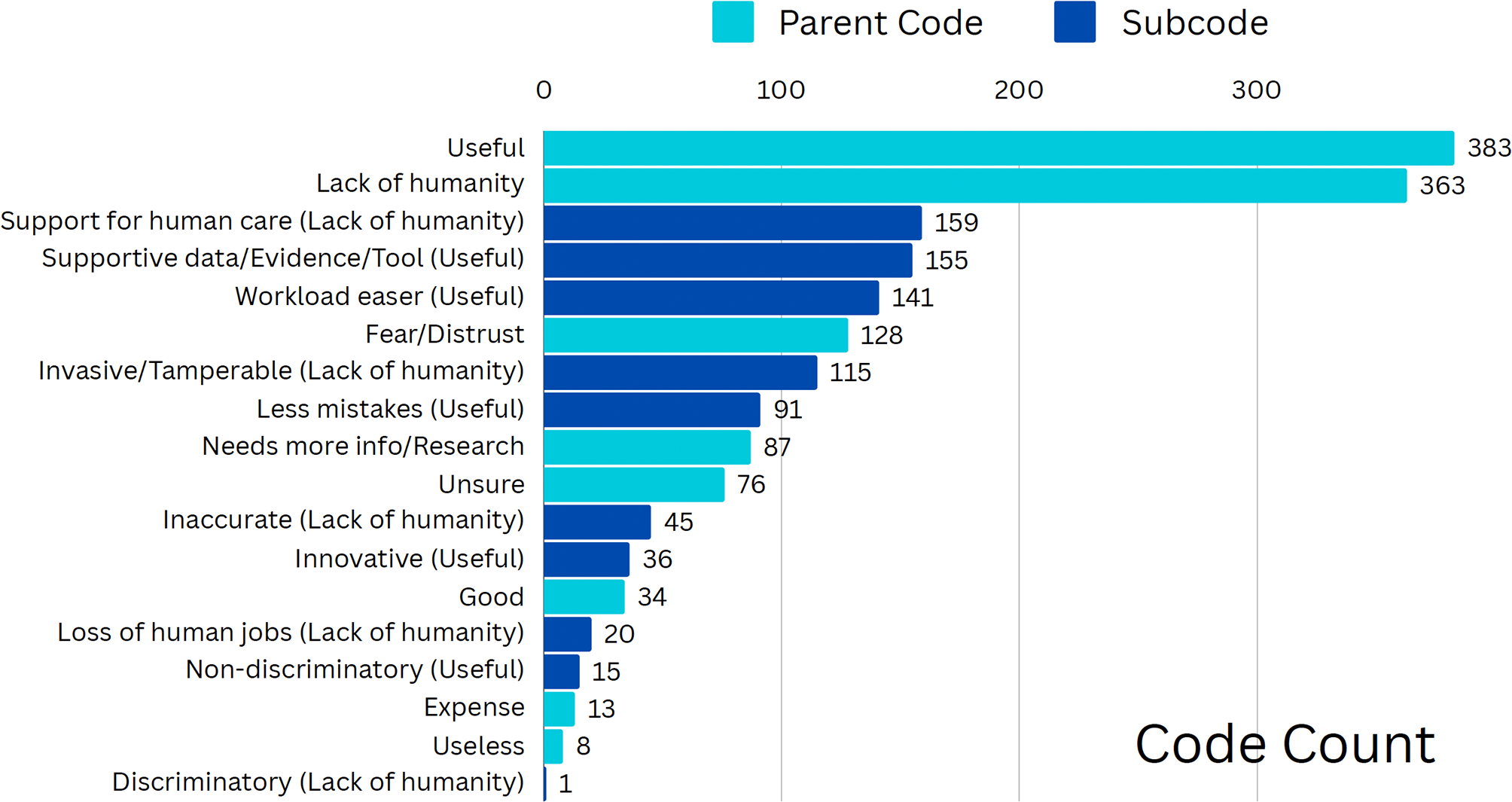
In a groundbreaking study published in BMC Medical Ethics, researchers have delved into the public's perception of artificial intelligence (AI) in healthcare, spotlighting both ethical concerns and potential opportunities for enhancing patient-centered care.

By |December 19, 2024|Categories: Article, Ethics, Healthcare|Tags: , |0 Comments

The AI Revolution in Real Estate

The real estate industry is experiencing a seismic shift, thanks to the integration of artificial intelligence (AI). This cutting-edge technology is fundamentally transforming property acquisition, sales, and management processes. AI's influence extends to predictive analytics, which are reshaping investment decisions, and virtual property tours, which are revolutionizing how we navigate the real estate landscape.

By |December 19, 2024|Categories: Article, Artificial Intelligence, Real Estate|Tags: |0 Comments

Virtual Care in 2024: Challenges and Opportunities for Telehealth

The telehealth market is experiencing a remarkable surge, driven by the increasing adoption of digital health solutions and remote care services.

NAR 2024 Sustainability Report: A Greener Future for Real Estate

The findings suggest that the industry is on the cusp of a "green revolution," with significant strides being made towards sustainability.


By |December 18, 2024|Categories: Article, Real Estate, Sustainability|Tags: , |0 Comments