In the ever-evolving realm of artificial intelligence, the optimization of AI models has become a cornerstone for enhancing performance while reducing computational costs. As we approach 2025, the techniques and strategies for AI model optimization are more crucial than ever in maintaining a competitive edge in the tech industry. AI model optimization, as discussed in a recent article by Netguru, involves refining algorithms to make AI models faster, smaller, and more accurate. This is achieved through techniques such as hyperparameter tuning, data preprocessing, and model pruning. By integrating these methods throughout the AI development lifecycle, organizations can significantly reduce computational expenses while maintaining robust model performance.

Key Techniques in AI Optimization

One of the primary strategies for optimizing AI models is hyperparameter tuning. This involves adjusting the configuration settings that control the learning process of AI models. Unlike model parameters, hyperparameters are not learned during training but are set beforehand. Techniques such as grid search, random search, and Bayesian optimization are commonly used to find the optimal settings that improve model performance. Another vital aspect is data preprocessing, which enhances the quality of the training set. A well-prepared training set should have sufficient volume, balance, variety, and be free from errors. This ensures that the AI model can learn effectively and perform well in real-world applications.

Advanced Optimization Techniques

Deep learning optimization techniques, such as quantization and pruning, are also gaining traction. Quantization reduces the precision of numbers used in a neural network, making models faster and more energy-efficient. Pruning, on the other hand, removes unnecessary connections in neural networks, thus reducing model size without affecting performance. The article emphasizes the importance of benchmarking model efficiency to measure optimization success. Metrics such as inference time, memory usage, and throughput are critical in evaluating the performance of optimized models.

Practical Applications and Future Directions

The practical applications of AI model optimization are vast, impacting industries from healthcare to finance. For instance, optimized AI models enable real-time fraud detection in financial institutions and efficient diagnostic models in healthcare settings. Looking ahead, emerging trends in AI optimization focus on data efficiency, energy consumption optimization, and the use of automated optimization tools. These advancements promise to make AI more accessible and environmentally sustainable. For more insights into AI model optimization, you can explore the original article by Netguru. The piece provides a comprehensive overview of the strategies and tools that are shaping the future of AI.

More Articles

Getting licensed or staying ahead in your career can be a journey—but it doesn’t have to be overwhelming. Grab your favorite coffee or tea, take a moment to relax, and browse through our articles. Whether you’re just starting out or renewing your expertise, we’ve got tips, insights, and advice to keep you moving forward. Here’s to your success—one sip and one step at a time!

Building an Integrated Approach to Real Estate Sustainability

Nearly 60% of global real estate CFOs lack the necessary data, processes, or internal controls to comply with current environmental regulations.

The Blockchain Revolution: Building the Future of Finance with DeFi

DeFi emerges as a beacon of transformation, promising to revolutionize how we interact with money. DeFi stands at the forefront, offering instant, transparent transactions without the constraints of conventional banking systems. This new paradigm opens doors to innovative investment opportunities and fosters a more inclusive global economy.

By |December 8, 2024|Categories: Article, Finance, Technology|Tags: , |0 Comments

Artificial Intelligence: A New Frontier in Neurological Care

AI's integration into neurology is not just a fleeting trend; it's a significant shift in how healthcare professionals approach complex neurological disorders.

By |December 8, 2024|Categories: Article, Healthcare, Technology|Tags: , |0 Comments

Celebrating Commitment to Physician Well-being

The American Medical Association (AMA) has recognized 62 health care organizations through its Joy in Medicine™ Health System Recognition Program. These organizations, representing over 140,000 physicians, have been acknowledged for their innovative strategies aimed at reducing stress and enhancing mental health among doctors.

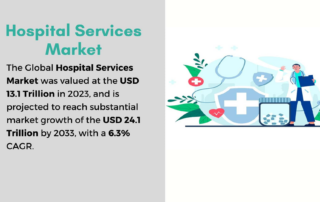
Global Hospital Services Market Set for Substantial Growth

The global hospital services market is undergoing a significant transformation, with projections indicating robust growth over the next decade. As of 2023, the market was valued at USD 13.1 trillion and is expected to soar to an impressive USD 24.1 trillion by 2033, boasting a compound annual growth rate (CAGR) of 6.3%. This optimistic forecast, reported by Market.us Media, is driven by advancements in medical technology, increased healthcare expenditures, and the rising prevalence of chronic diseases.

By |December 7, 2024|Categories: Article, Healthcare, Market Analysis|Tags: , |0 Comments

Unlocking the Potential of Modular Construction in Ontario’s Housing Market

In the bustling realm of Ontario's housing market, modular construction is emerging as a beacon of hope amid a pressing demand for new homes.


By |December 7, 2024|Categories: Article, Construction, Technology|Tags: , |0 Comments