In the ever-evolving realm of artificial intelligence, the optimization of AI models has become a cornerstone for enhancing performance while reducing computational costs. As we approach 2025, the techniques and strategies for AI model optimization are more crucial than ever in maintaining a competitive edge in the tech industry. AI model optimization, as discussed in a recent article by Netguru, involves refining algorithms to make AI models faster, smaller, and more accurate. This is achieved through techniques such as hyperparameter tuning, data preprocessing, and model pruning. By integrating these methods throughout the AI development lifecycle, organizations can significantly reduce computational expenses while maintaining robust model performance.

Key Techniques in AI Optimization

One of the primary strategies for optimizing AI models is hyperparameter tuning. This involves adjusting the configuration settings that control the learning process of AI models. Unlike model parameters, hyperparameters are not learned during training but are set beforehand. Techniques such as grid search, random search, and Bayesian optimization are commonly used to find the optimal settings that improve model performance. Another vital aspect is data preprocessing, which enhances the quality of the training set. A well-prepared training set should have sufficient volume, balance, variety, and be free from errors. This ensures that the AI model can learn effectively and perform well in real-world applications.

Advanced Optimization Techniques

Deep learning optimization techniques, such as quantization and pruning, are also gaining traction. Quantization reduces the precision of numbers used in a neural network, making models faster and more energy-efficient. Pruning, on the other hand, removes unnecessary connections in neural networks, thus reducing model size without affecting performance. The article emphasizes the importance of benchmarking model efficiency to measure optimization success. Metrics such as inference time, memory usage, and throughput are critical in evaluating the performance of optimized models.

Practical Applications and Future Directions

The practical applications of AI model optimization are vast, impacting industries from healthcare to finance. For instance, optimized AI models enable real-time fraud detection in financial institutions and efficient diagnostic models in healthcare settings. Looking ahead, emerging trends in AI optimization focus on data efficiency, energy consumption optimization, and the use of automated optimization tools. These advancements promise to make AI more accessible and environmentally sustainable. For more insights into AI model optimization, you can explore the original article by Netguru. The piece provides a comprehensive overview of the strategies and tools that are shaping the future of AI.

More Articles

Getting licensed or staying ahead in your career can be a journey—but it doesn’t have to be overwhelming. Grab your favorite coffee or tea, take a moment to relax, and browse through our articles. Whether you’re just starting out or renewing your expertise, we’ve got tips, insights, and advice to keep you moving forward. Here’s to your success—one sip and one step at a time!

America’s Housing Affordability Crisis: A Deep Dive into 2024

The American dream of homeownership is slipping further out of reach for many as the nation grapples with a severe housing affordability crisis.

By |October 17, 2024|Categories: Article, Economic Issues, Housing Affordability|Tags: , |0 Comments

The Economic Payoff of Climate Resilience Investments

Each dollar spent on disaster preparedness can yield a remarkable $13 in savings on economic impact, damage, and cleanup costs. By investing in resilience today, we can safeguard our economic futures against the uncertainties of tomorrow.

By |October 16, 2024|Categories: Article, Climate Resilience, Economics|Tags: |0 Comments

California Legislators Target Corporate Landlords in Housing Market Shake-Up

California's housing market is in the crosshairs of some of the state's most influential lawmakers, who are determined to curb the influence of institutional investors. This legislative session, at least three bills are being considered to prevent these corporate landlords from amassing a significant number of the state's single-family homes.

Proposition 33: A Pivotal Moment in California’s Rent Control Debate

Proposition 33 has sparked a heated debate. Proponents argue that repealing Costa–Hawkins would allow cities to tailor rent control measures to their unique needs, potentially easing the financial burdens on renters.

By |October 16, 2024|Categories: Article, Housing, Legislation|Tags: , |0 Comments

The Trump Era: A Transformative Journey in the U.S. Housing Market

The presidency of Donald Trump ushered in a period of notable shifts in the U.S. housing market, characterized by tax cuts, deregulation, and the unforeseen impact of a global pandemic. This era, marked by both growth and uncertainty, offers a complex narrative of economic policy and market dynamics.

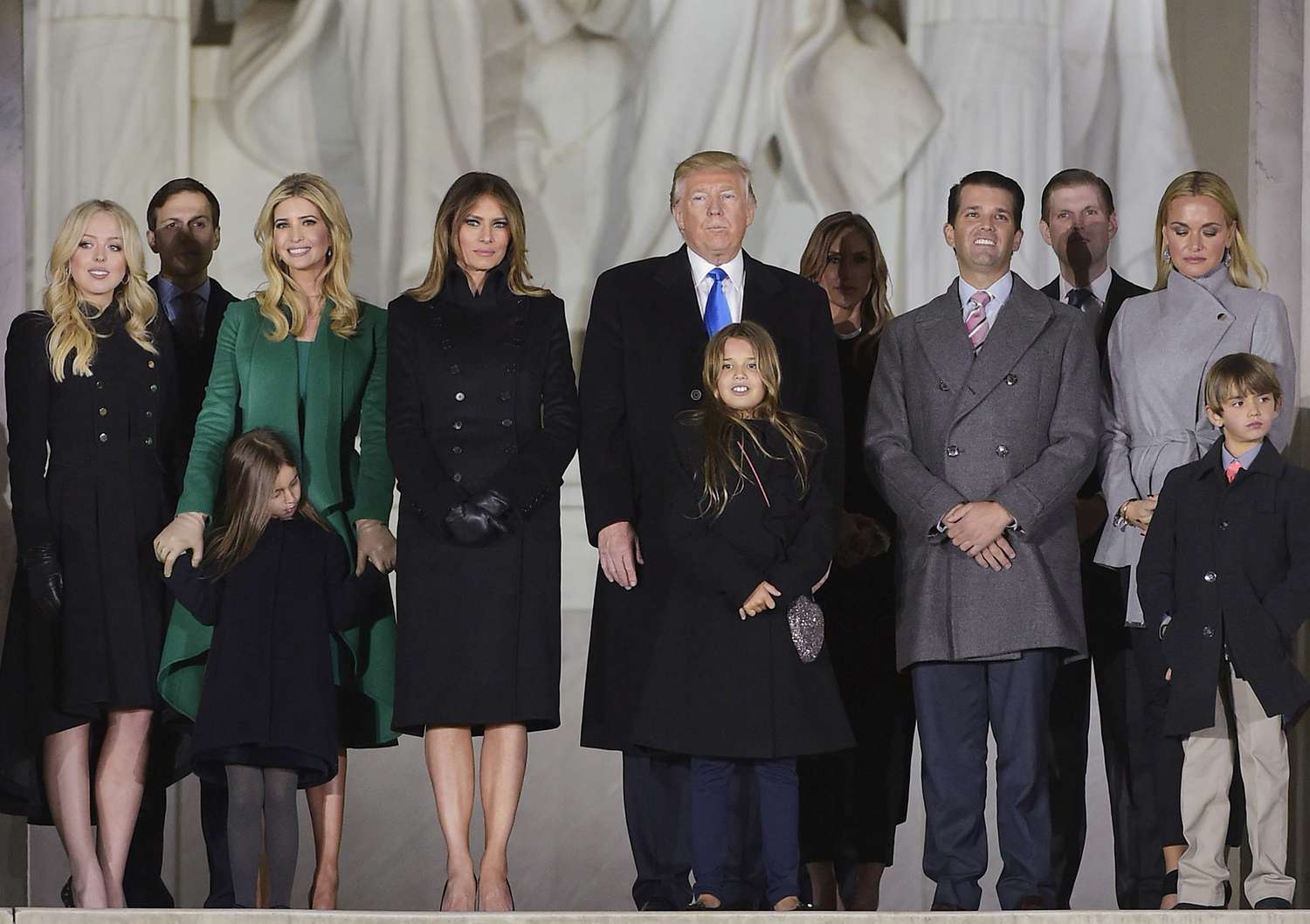
Donald Trump’s Intricate Family Web

Donald Trump, a name synonymous with real estate, reality television, and politics, presents a complex family tapestry woven with professional and personal threads. His family, deeply enmeshed in his business ventures and political pursuits, forms a network of intricate connections.


By |October 15, 2024|Categories: Article, Family, Politics|Tags: , |0 Comments