In the ever-evolving realm of artificial intelligence, the optimization of AI models has become a cornerstone for enhancing performance while reducing computational costs. As we approach 2025, the techniques and strategies for AI model optimization are more crucial than ever in maintaining a competitive edge in the tech industry. AI model optimization, as discussed in a recent article by Netguru, involves refining algorithms to make AI models faster, smaller, and more accurate. This is achieved through techniques such as hyperparameter tuning, data preprocessing, and model pruning. By integrating these methods throughout the AI development lifecycle, organizations can significantly reduce computational expenses while maintaining robust model performance.

Key Techniques in AI Optimization

One of the primary strategies for optimizing AI models is hyperparameter tuning. This involves adjusting the configuration settings that control the learning process of AI models. Unlike model parameters, hyperparameters are not learned during training but are set beforehand. Techniques such as grid search, random search, and Bayesian optimization are commonly used to find the optimal settings that improve model performance. Another vital aspect is data preprocessing, which enhances the quality of the training set. A well-prepared training set should have sufficient volume, balance, variety, and be free from errors. This ensures that the AI model can learn effectively and perform well in real-world applications.

Advanced Optimization Techniques

Deep learning optimization techniques, such as quantization and pruning, are also gaining traction. Quantization reduces the precision of numbers used in a neural network, making models faster and more energy-efficient. Pruning, on the other hand, removes unnecessary connections in neural networks, thus reducing model size without affecting performance. The article emphasizes the importance of benchmarking model efficiency to measure optimization success. Metrics such as inference time, memory usage, and throughput are critical in evaluating the performance of optimized models.

Practical Applications and Future Directions

The practical applications of AI model optimization are vast, impacting industries from healthcare to finance. For instance, optimized AI models enable real-time fraud detection in financial institutions and efficient diagnostic models in healthcare settings. Looking ahead, emerging trends in AI optimization focus on data efficiency, energy consumption optimization, and the use of automated optimization tools. These advancements promise to make AI more accessible and environmentally sustainable. For more insights into AI model optimization, you can explore the original article by Netguru. The piece provides a comprehensive overview of the strategies and tools that are shaping the future of AI.


More Articles

Getting licensed or staying ahead in your career can be a journey—but it doesn’t have to be overwhelming. Grab your favorite coffee or tea, take a moment to relax, and browse through our articles. Whether you’re just starting out or renewing your expertise, we’ve got tips, insights, and advice to keep you moving forward. Here’s to your success—one sip and one step at a time!

Florida’s Political Storm: Immigration Protests, Insurance Shakeups, and Health Care Uncertainty

Palm Beach protests erupted as intensified immigration enforcement reached the heart of Trump’s hometown, while millions in Florida brace for rising health care costs as key subsidies near expiration. At the same time, state regulators boldly declare the long‑running property insurance crisis “over,” leaving homeowners and industry professionals questioning whether true stability has finally returned.

Real Estate Strategic Outlooks: Year-End 2025

As 2025 comes to a close, the real estate industry is shifting from uncertainty to strategic expansion. According to DWS’s Year-End 2025 Outlook, property values are stabilizing after years of repricing, capital is concentrating on high-quality assets, and Sunbelt markets—especially Florida—continue to outperform. With technology enhancing rather than replacing professional expertise, 2026 is shaping up to reward professionals who stay informed, skilled, and strategically positioned for the next cycle.

Texas Investors Ride Into San Francisco, Snapping Up Union Square Deals as the Market Hits Bottom

Texas capital is pouring into San Francisco’s long‑struggling commercial real estate market, with Lone Star investors buying up discounted Union Square buildings and signaling what many experts believe is the city’s market bottom. As office activity and confidence begin to return, buyers from across the country are joining the rush, turning SF’s post‑pandemic slump into one of the nation’s hottest bargain opportunities.

2026 Tech100 Countdown: Housing Tech Innovation Surges as Nomination Window Closes

With 2026 HousingWire Tech100 nominations closing on December 19, the housing tech sector is accelerating at full speed. AI‑powered data platforms, digital closing breakthroughs, embedded insurance growth, and next‑generation servicing automation are reshaping real estate, mortgage, insurance, and finance. From ATTOM’s AI‑ready property intelligence to Hapi Homes’ Martha Stewart design revival, Obie’s nationwide expansion, Outamation’s servicing automation, and ServiceLink’s next‑level borrower scheduling, this year’s standout innovators are defining the future of the housing economy.

Woodland Hills Retail Center Sold for $64 Million in Major Southern California CRE Deal

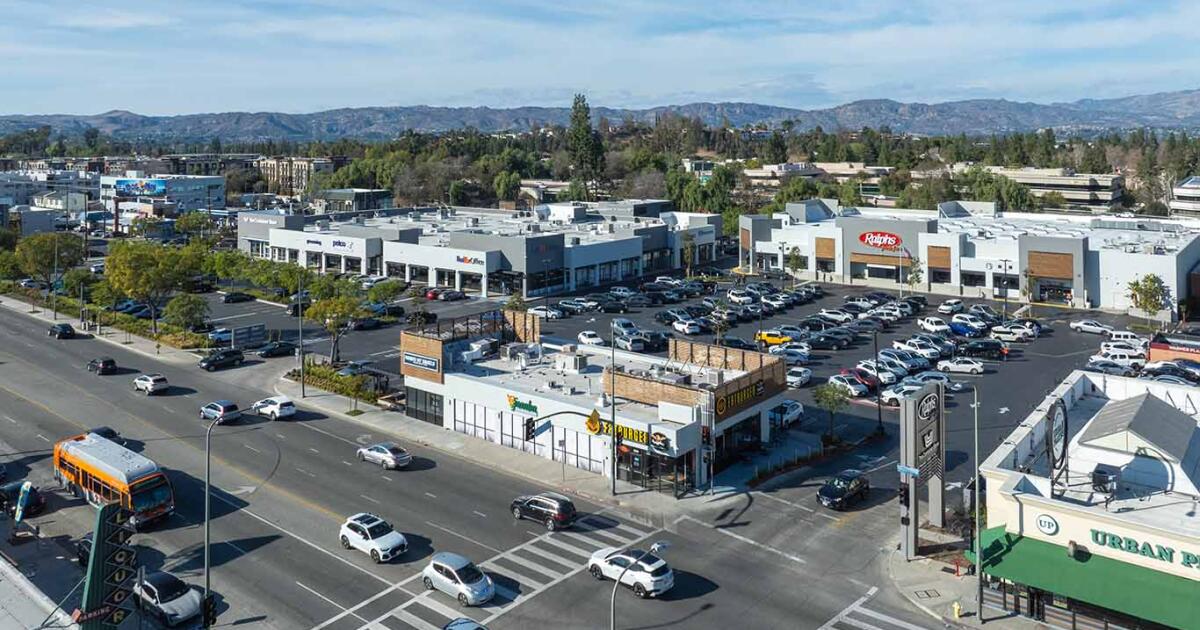
Space Investment Partners has acquired the 123,402‑square‑foot Topanga Gateway retail center in Woodland Hills for $64 million, marking another significant move in the firm’s expanding grocery‑anchored investment strategy. Located at a high‑visibility intersection and 97% occupied at the time of sale, the property strengthens the company’s push toward $500 million to $1 billion in retail acquisitions for 2026, underscoring continued investor confidence in necessity‑based retail assets.

Mortgage Rates Shift After Final 2025 Fed Cut: What Homebuyers Should Know Today

After the Federal Reserve’s final 2025 rate cut on December 10, mortgage markets are recalibrating, giving buyers and homeowners a glimmer of relief. Rates remain lower than earlier in the year, with 30-year fixed loans at 6.12% and refinances dipping as well. This shift may spark renewed activity for buyers, refinancers, and real estate professionals heading into 2026.