Revolutionizing Healthcare: AI and Precision Medicine for Chronic Diseases


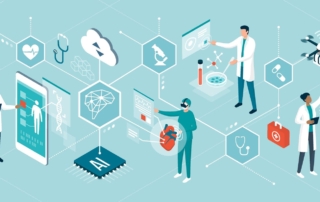
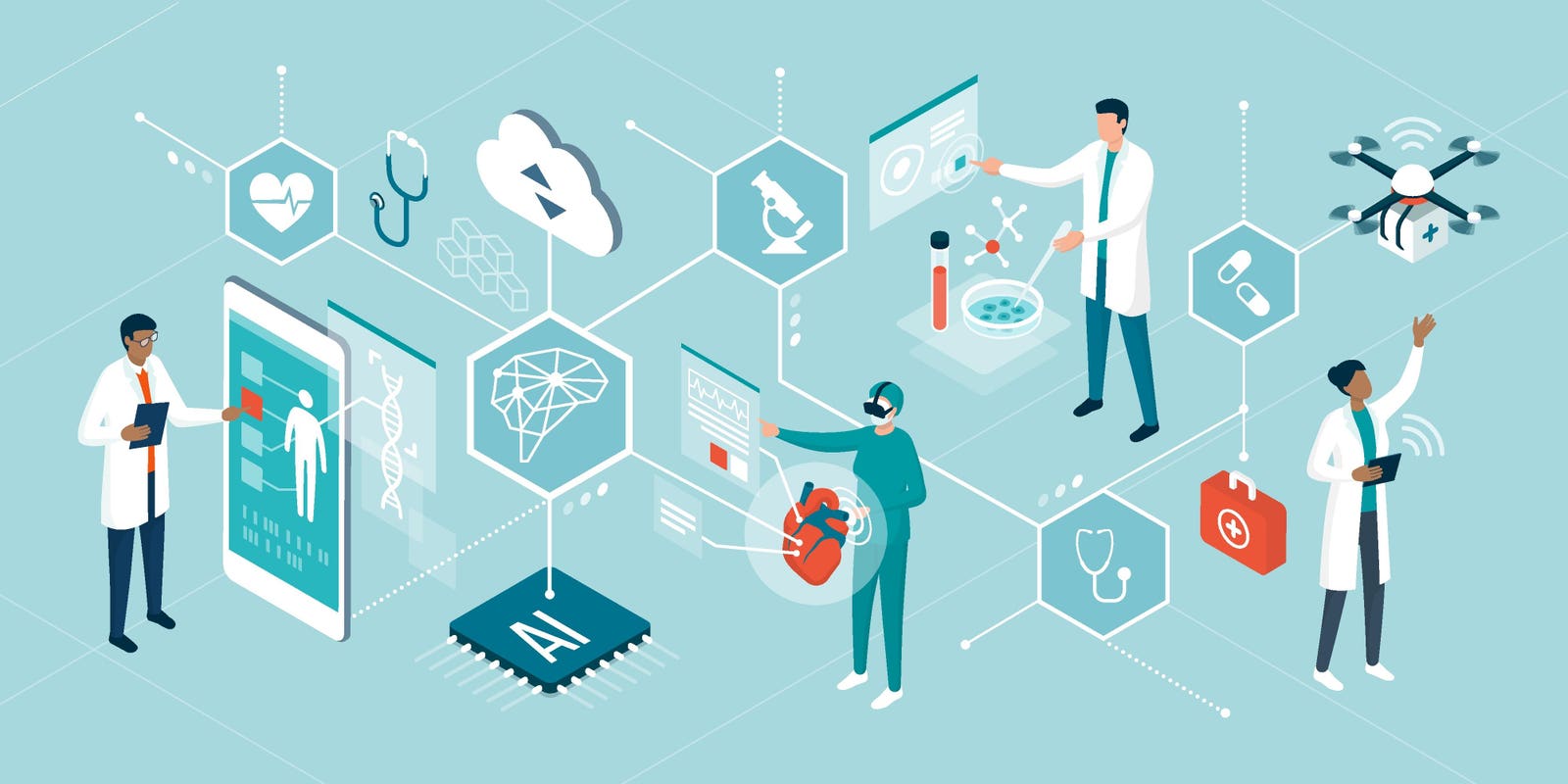
In a groundbreaking effort to redefine healthcare, the National Institute of Diabetes and Digestive and Kidney Diseases (NIDDK) is spearheading a workshop focused on the integration of Artificial Intelligence (AI) and Machine Learning (ML) in precision medicine, specifically targeting diabetes and other chronic diseases. This initiative aims to leverage recent advancements in AI, including generative AI and Large Language Models (LLMs), to innovate biomarker development, drug discovery, and diagnostics.
The workshop, detailed in the original article from the National Institutes of Health (NIH), promises to be a landmark event. It aims to bring together biomedical researchers and AI/ML experts to discuss the critical challenges, crosscutting gaps, and opportunities for actionable items in leveraging AI/ML in precision medicine.

Workshop Objectives and Agenda


The primary goal of the workshop is to heighten understanding of the unique opportunities AI provides in personalizing healthcare. Participants will delve into:
  • The transformative power of AI in personalizing healthcare.
  • Current approaches to precision medicine for chronic conditions.
  • Addressing community needs and identifying gaps in current methodologies.

The event includes pre-workshop webinars designed to set the stage for discussions. Notable sessions include Part I: The Bio-Behavioral Dimensions of Diabetes Heterogeneity on October 17, featuring Dr. Yao Qin and Dr. Ashu Sabharwal, and Part II: Advances in AI and Applications in Biomedicine on October 24, featuring Dr. James Zou and Dr. Eran Halperin.

Key Organizers and Participants


The workshop will feature esteemed personnel, including external co-chairs Marcela Brissova from Vanderbilt University, Jeffrey Grethe from the University of California, San Diego, and Wei Wang from the University of California, Los Angeles. Participating NIH/NIDDK experts include Eric Brunskill, Debbie Gipson, Daniel Gossett, Carol Haft, Jia Nie, Xujing Wang, and Ashley Xia.

Event Details and Registration


The workshop was held at the Neuroscience Center Building in Rockville, MD, with virtual participation options available. Although registration has concluded, the event’s impact is expected to resonate throughout the scientific community.
For further information, interested parties could have contacted Xujing Wang, Ph.D., or Jia Nie, Ph.D., at the NIH, or Mark Dennis from The Scientific Consulting Group for logistical concerns.

Conclusion


The integration of AI and precision medicine offers a promising frontier in healthcare, particularly for managing chronic diseases like diabetes. As the NIDDK’s workshop highlights, the collaboration between AI/ML experts and biomedical researchers is crucial in overcoming existing challenges and harnessing AI’s full potential in revolutionizing healthcare.


More Articles

Getting licensed or staying ahead in your career can be a journey—but it doesn’t have to be overwhelming. Grab your favorite coffee or tea, take a moment to relax, and browse through our articles. Whether you’re just starting out or renewing your expertise, we’ve got tips, insights, and advice to keep you moving forward. Here’s to your success—one sip and one step at a time!

KBank’s Crypto Dilemma: Navigating Legislative Changes Amid IPO Plans

The financial landscape in South Korea is poised for a seismic shift as KBank, a major digital bank, grapples with a legislative curveball. The bank, which is heavily reliant on deposits from Upbit, Korea’s dominant cryptocurrency exchange, is facing a potential profit squeeze. The new Virtual Asset User Protection Act, set to take effect on July 19, 2024, mandates that banks must pay interest on crypto exchange deposits, a move that could severely impact KBank's bottom line.

By |December 29, 2024|Categories: Article, Cryptocurrency, Finance|Tags: |0 Comments

The Transformation of Healthcare: AI’s Role in Diagnostics and Personalized Medicine

AI's ability to analyze vast amounts of data is paving the way for a profound change in medical diagnostics. Khosla predicted that AI could take over up to 80% of standard medical tasks, reducing errors and biases in human diagnosis. This is particularly evident in fields like radiology and pathology, where AI's proficiency in analyzing medical imaging allows for the early detection of diseases such as cancer, significantly improving treatment outcomes.

The Geography of Pandemic-Era Home Price Trends and Implications for Affordability

The COVID-19 pandemic has dramatically reshaped the housing market landscape, resulting in an unprecedented surge in home prices throughout the United States.

By |December 28, 2024|Categories: Affordability Issues, Article, Housing Market|Tags: |0 Comments

AI in Healthcare: Transforming the Industry Today and Tomorrow

In a world where technology is rapidly evolving, artificial intelligence (AI) is proving to be a game-changer in the healthcare sector. AI-powered tools are improving patient outcomes, enhancing operational efficiency, and reducing costs, reshaping the very fabric of healthcare delivery.

By |December 28, 2024|Categories: Article, Artificial Intelligence, Healthcare|Tags: |0 Comments

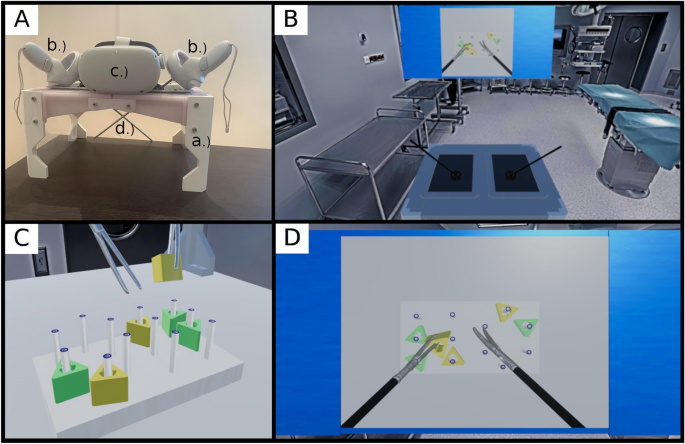
Revolutionizing Surgical Training with VR and AI

In a groundbreaking study published by Nature, researchers have unveiled a novel approach to surgical training using a low-fidelity virtual reality (VR) simulator enhanced with artificial intelligence (AI) for objective assessment. This pioneering method is poised to transform how medical students acquire laparoscopic skills, offering a cost-effective and efficient alternative to traditional training models.

AI and Machine Learning: Revolutionizing the Healthcare Industry

AI in healthcare is projected to grow into a $188 billion industry worldwide by 2030, promising to revolutionize the field. From drug development to improved diagnostics, AI is already making significant strides, transforming medical practices and enhancing patient care efficiency.

By |December 27, 2024|Categories: Article, Healthcare, Technology|Tags: , |0 Comments