Revolutionizing Healthcare: AI and Precision Medicine for Chronic Diseases


In a groundbreaking effort to redefine healthcare, the National Institute of Diabetes and Digestive and Kidney Diseases (NIDDK) is spearheading a workshop focused on the integration of Artificial Intelligence (AI) and Machine Learning (ML) in precision medicine, specifically targeting diabetes and other chronic diseases. This initiative aims to leverage recent advancements in AI, including generative AI and Large Language Models (LLMs), to innovate biomarker development, drug discovery, and diagnostics.
The workshop, detailed in the original article from the National Institutes of Health (NIH), promises to be a landmark event. It aims to bring together biomedical researchers and AI/ML experts to discuss the critical challenges, crosscutting gaps, and opportunities for actionable items in leveraging AI/ML in precision medicine.

Workshop Objectives and Agenda


The primary goal of the workshop is to heighten understanding of the unique opportunities AI provides in personalizing healthcare. Participants will delve into:
  • The transformative power of AI in personalizing healthcare.
  • Current approaches to precision medicine for chronic conditions.
  • Addressing community needs and identifying gaps in current methodologies.

The event includes pre-workshop webinars designed to set the stage for discussions. Notable sessions include Part I: The Bio-Behavioral Dimensions of Diabetes Heterogeneity on October 17, featuring Dr. Yao Qin and Dr. Ashu Sabharwal, and Part II: Advances in AI and Applications in Biomedicine on October 24, featuring Dr. James Zou and Dr. Eran Halperin.

Key Organizers and Participants


The workshop will feature esteemed personnel, including external co-chairs Marcela Brissova from Vanderbilt University, Jeffrey Grethe from the University of California, San Diego, and Wei Wang from the University of California, Los Angeles. Participating NIH/NIDDK experts include Eric Brunskill, Debbie Gipson, Daniel Gossett, Carol Haft, Jia Nie, Xujing Wang, and Ashley Xia.

Event Details and Registration


The workshop was held at the Neuroscience Center Building in Rockville, MD, with virtual participation options available. Although registration has concluded, the event’s impact is expected to resonate throughout the scientific community.
For further information, interested parties could have contacted Xujing Wang, Ph.D., or Jia Nie, Ph.D., at the NIH, or Mark Dennis from The Scientific Consulting Group for logistical concerns.

Conclusion


The integration of AI and precision medicine offers a promising frontier in healthcare, particularly for managing chronic diseases like diabetes. As the NIDDK’s workshop highlights, the collaboration between AI/ML experts and biomedical researchers is crucial in overcoming existing challenges and harnessing AI’s full potential in revolutionizing healthcare.


More Articles

Getting licensed or staying ahead in your career can be a journey—but it doesn’t have to be overwhelming. Grab your favorite coffee or tea, take a moment to relax, and browse through our articles. Whether you’re just starting out or renewing your expertise, we’ve got tips, insights, and advice to keep you moving forward. Here’s to your success—one sip and one step at a time!

South Florida Housing Market Gains Momentum for 2026 as Mortgage Rates Decline

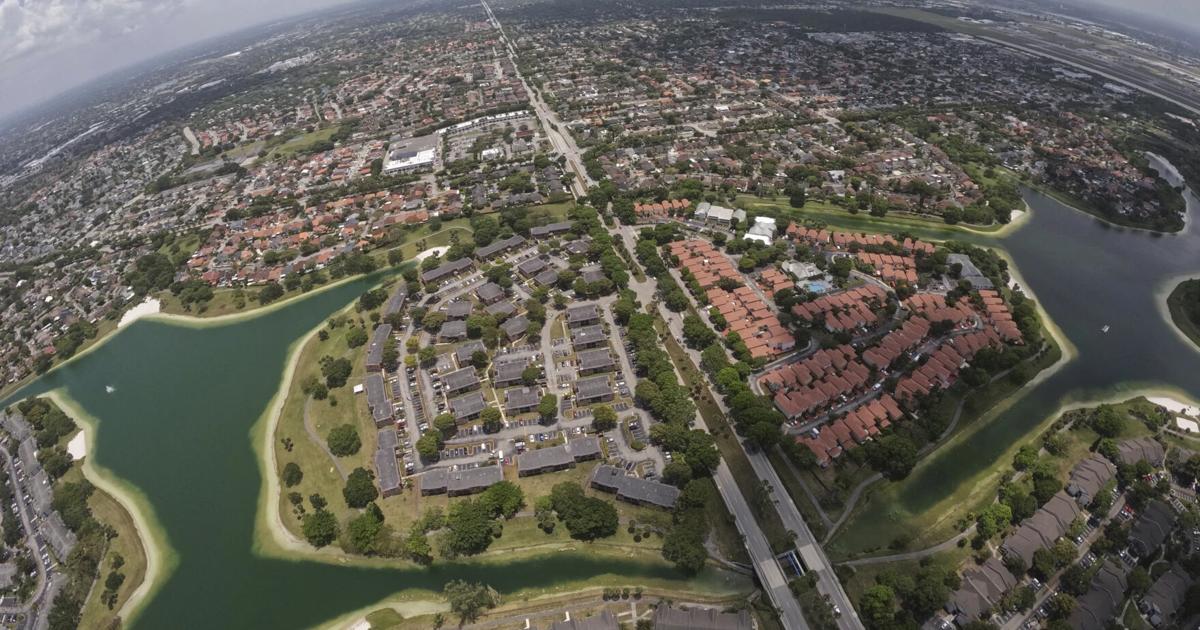
Lower interest rates, improving buyer confidence, and a resilient job market are setting the stage for a stronger South Florida real estate landscape in 2026. After a steadier‑than‑expected 2025, single‑family homes remain competitive, condos are stabilizing despite regulatory pressures, and commercial real estate continues to outperform national trends — giving industry professionals plenty to watch in the year ahead.

2026 Housing Market Outlook: Are We Finally Heading Toward Stability?

Economists across the housing industry are signaling that 2026 may finally bring a true market rebalance. With mortgage rates expected to ease, inventory slowly expanding and affordability showing its first real improvement in years, home sales could climb by 14% nationwide. Prices are projected to rise only modestly, builders are ramping up cautiously and shifting demographics are reshaping who’s buying—and what they’re looking for. For real estate and finance professionals, this more active and balanced landscape sets the stage for a strong year of opportunity.

Lower Interest Rates Spark New Optimism in South Florida’s 2026 Real Estate Market

South Florida enters 2026 with renewed confidence as easing mortgage rates, a solid job market, and stabilizing housing trends breathe life back into both single‑family and condo sectors. After an uneven 2025 marked by high costs and condo‑related challenges, lower borrowing rates are drawing buyers back, encouraging more homeowners to list, and positioning the region for a more balanced — though still competitive — year ahead.

Six Real Estate Trends Reshaping the U.S. Market in 2026

The U.S. real estate landscape is entering a defining year, driven by AI innovation, reimagined office spaces, immersive retail, and resilient industrial growth. Investors are becoming more selective, while ESG expectations are solidifying into essential standards for value and tenant demand. For professionals looking to stay competitive in 2026, understanding these shifts—and upskilling accordingly—will be key to navigating an industry rapidly transforming in real time.

Conforming Mortgage Credit Availability Plunges to Record Low as Lenders Tighten Standards

Conforming mortgage credit has dropped to its lowest level since the MBA began tracking it in 2011, signaling a major tightening in loan options as 2026 begins. December’s Mortgage Credit Availability Index fell 2.6%, driven by shrinking ARM offerings, fewer cash‑out refi programs, and stricter documentation requirements. With conforming loans seeing the sharpest decline—down 3.8%—both buyers and mortgage professionals face a more challenging lending landscape that demands stronger financial profiles and up‑to‑date industry knowledge.

Creative Strategies Are Finally Helping First-Time Buyers Break Into the 2026 Housing Market

A new NAR outlook shows that first-time buyers may finally be gaining traction in 2026 as rising inventory, easing rates, and creative financing strategies open long-awaited pathways into homeownership. From ARMs and government-backed loans to family support, grants, and co-buying, younger buyers are finding new ways to “make the math work.” Builders are also stepping in with incentives and expanded townhome construction, signaling a slow but meaningful shift toward improved affordability.