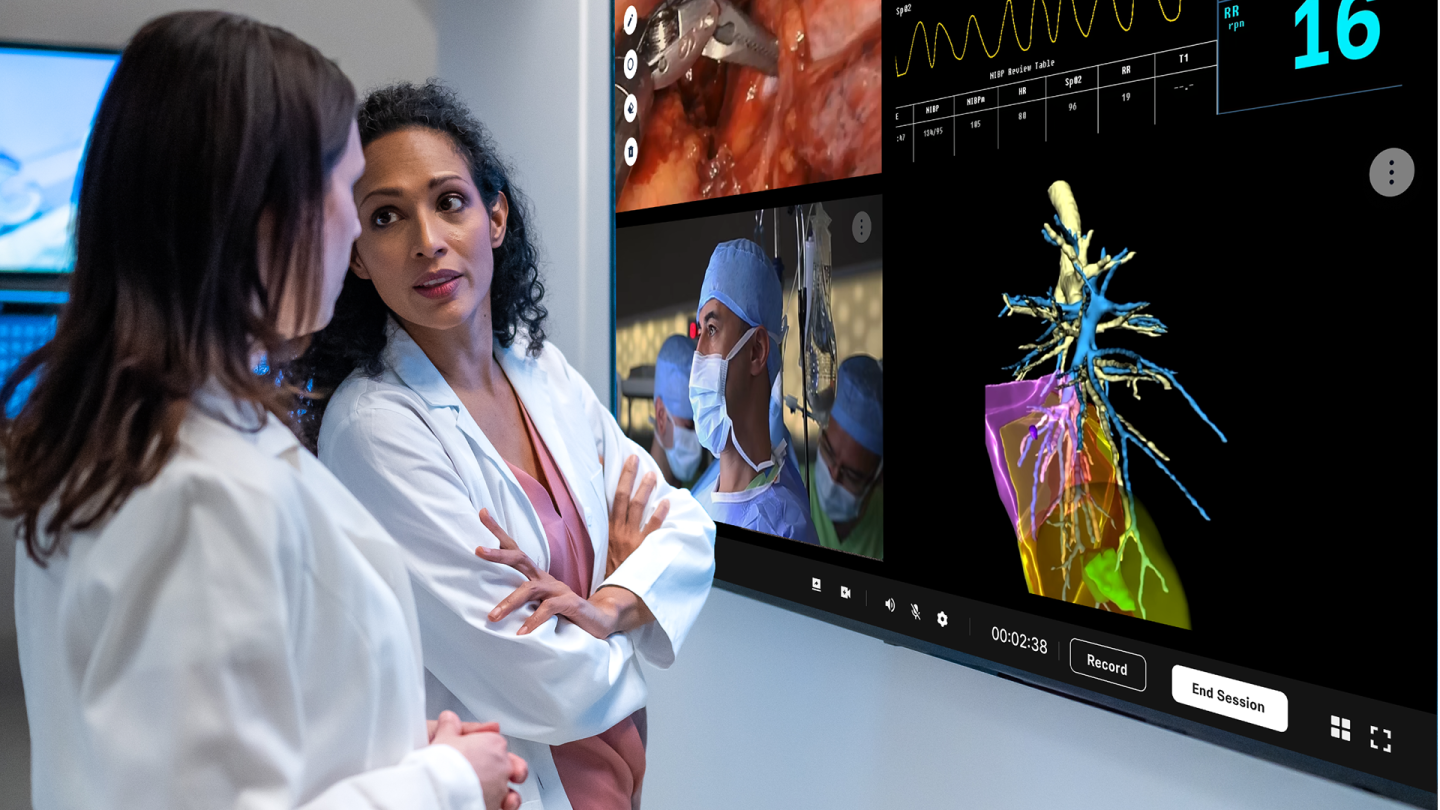
In a world where healthcare systems are constantly evolving, artificial intelligence (AI) is emerging as a game-changer, revolutionizing patient care in hospitals. From diagnostics to personalized treatment plans and efficient administration, AI is transforming the way healthcare is delivered, making it more accessible, efficient, and tailored to individual needs.
Enhancing Patient Experience with AI
Imagine a healthcare experience where hospitals operate at peak efficiency, and patient care is personalized to meet specific needs. This is no longer a distant dream but a reality, thanks to AI-assisted scheduling, virtual health assistants, and remote monitoring. These technologies are reducing wait times and improving overall patient satisfaction by tailoring care to individual needs.
AI-Assisted Patient Scheduling
Long wait times and inefficient appointment scheduling have long been a source of frustration. By harnessing algorithms to analyze patient data, AI-assisted scheduling optimizes appointment times, enhancing patient flow and resource utilization in hospitals. This results in a significant improvement in patient experience and care delivery.
Virtual Health Assistants
Navigating the healthcare system can be overwhelming, but virtual health assistants are changing that. These digital tools provide personalized support, guiding patients through their healthcare journey and empowering them to take control of their health. By offering real-time assistance, virtual health assistants foster a more proactive approach to healthcare management.
AI-Powered Medical Diagnostics
The power of AI extends beyond patient experience, playing a crucial role in medical diagnostics. AI-powered diagnostics enhance accuracy and speed in identifying medical conditions, leading to better patient outcomes. AI-driven image analysis and pathology are revolutionizing the way medical professionals interpret data, reducing errors and improving patient outcomes.
Image Analysis and Radiology
AI-driven image analysis, like the model used in Google Med-PaLM 2, is transforming radiology by improving diagnostic accuracy. This technology is particularly beneficial in detecting early signs of diseases, allowing for faster intervention and treatment.
Pathology and Lab Tests
AI is also impacting pathology and laboratory tests, streamlining processes and increasing efficiency in diagnosing diseases. Companies like PathAI are developing techniques to reduce inaccuracies in cancer diagnosis, showcasing AI’s potential to revolutionize pathology and lab tests.
AI-Driven Personalized Treatment Plans
AI-driven personalized treatment plans are reshaping the approach to patient care. By leveraging precision medicine, drug dosing, and predictive analytics, AI creates tailored treatment plans based on individual patient data. This not only improves outcomes but also reduces healthcare costs by eliminating unnecessary treatments and tests.
Precision Medicine
Precision medicine tailors treatments based on an individual’s genetics, environment, and lifestyle. AI analyzes vast amounts of patient data to identify the most effective treatments, increasing effectiveness and reducing side effects.
Drug Dosing and Monitoring
AI-guided drug dosing and monitoring optimize medication administration, ensuring correct dosages and reducing errors. This improves patient safety and outcomes while reducing the time and cost associated with drug dosing.
AI Applications in Hospital Administration
Beyond patient care, AI applications in hospital administration streamline processes and reduce costs. AI aids in revenue cycle management, clinical documentation improvement, and supply chain optimization, ensuring that hospitals operate efficiently and effectively.
Revenue Cycle Management
AI-driven revenue cycle management automates and optimizes billing processes, reducing financial waste and enhancing hospital operations. This allows healthcare providers to focus on delivering high-quality patient care.
Clinical Documentation Improvement
Accurate clinical documentation is essential for effective patient care. AI reduces errors by automating the review process, improving communication, and ensuring adherence to regulatory requirements.
Supply Chain Optimization
AI-powered supply chain optimization ensures hospitals have the necessary resources and equipment, reducing waste and improving patient care. This optimization benefits both healthcare providers and patients.
Overcoming Challenges in Implementing AI in Patient Care
While AI holds immense potential, challenges such as ethical considerations, workforce adaptation, and regulatory compliance must be addressed for successful implementation. Ensuring transparency and adherence to ethical guidelines is crucial for maintaining patient trust and preventing adverse effects.
As AI continues to evolve, the future of patient care promises to be more personalized, efficient, and effective. By addressing these challenges and embracing the potential of AI, the healthcare industry can look forward to a brighter future.