Revolutionizing Healthcare: The AI Transformation in Louisiana
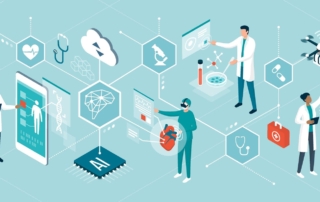
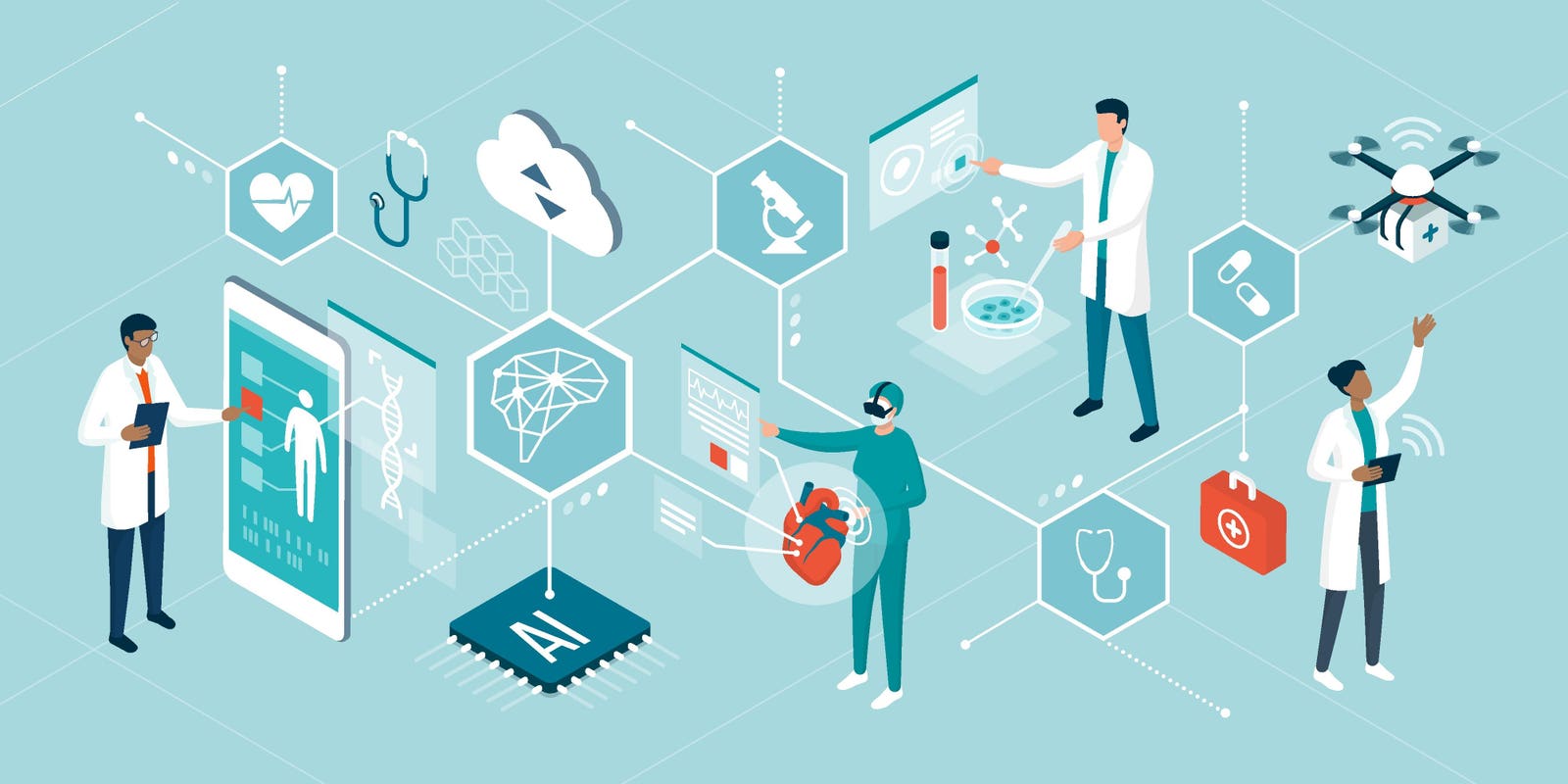
In the heart of Louisiana, a digital revolution is underway, reshaping the landscape of healthcare diagnostics with the power of artificial intelligence (AI). As reported by Big Easy Magazine, AI is not just a tool but a transformative force, enhancing diagnostic accuracy, improving patient outcomes, and reducing costs.
The Role of AI in Modern Healthcare
Why is AI becoming indispensable in healthcare diagnostics? The answer lies in its unparalleled ability to process vast datasets with remarkable precision and speed. AI systems, by identifying patterns and anomalies often missed by the human eye, are revolutionizing diagnostic accuracy and treatment planning. Healthcare providers, such as Northshore Orthodontics, are leveraging these advanced technologies to deliver more personalized care, ensuring better health outcomes and increased efficiency.
Moreover, AI is streamlining administrative tasks, freeing healthcare professionals to focus more on patient care. By automating routine processes such as appointment scheduling and billing, AI minimizes human errors and reduces administrative burdens. Predictive analytics powered by AI also help optimize resource allocation and forecast patient admission rates, leading to better preparedness and cost savings.
Enhancing Diagnostic Accuracy
AI’s impact on diagnostic accuracy cannot be overstated. Diagnostic errors, which can lead to incorrect treatments or delayed interventions, are being minimized through AI integration. These systems, trained on extensive datasets, predict disease progression and recommend appropriate interventions, significantly enhancing the accuracy of medical diagnostics.
Early detection is another area where AI shines, identifying diseases at stages when they are more treatable, thereby improving patient outcomes.
Improving Patient Care
Beyond accuracy, AI enriches the overall patient experience. AI-driven chatbots and virtual assistants provide timely information and support, enhancing patient engagement and satisfaction. Predictive analytics tailor treatments to individual needs, ensuring optimal care. These tools make healthcare more accessible and empower patients by involving them actively in their care decisions.
The Future of AI in Healthcare
Looking to the future, AI’s role in healthcare is set to expand. With ongoing improvements in machine learning and data processing, AI’s potential applications in diagnostics are boundless. From enhancing early detection rates to supporting clinical decision-making, AI’s contributions are invaluable. As technology progresses, the integration of AI into healthcare systems will likely become more seamless and widespread, ushering in a new era of medical innovation and excellence.
More Articles
Getting licensed or staying ahead in your career can be a journey—but it doesn’t have to be overwhelming. Grab your favorite coffee or tea, take a moment to relax, and browse through our articles. Whether you’re just starting out or renewing your expertise, we’ve got tips, insights, and advice to keep you moving forward. Here’s to your success—one sip and one step at a time!
The financial landscape in South Korea is poised for a seismic shift as KBank, a major digital bank, grapples with a legislative curveball. The bank, which is heavily reliant on deposits from Upbit, Korea’s dominant cryptocurrency exchange, is facing a potential profit squeeze. The new Virtual Asset User Protection Act, set to take effect on July 19, 2024, mandates that banks must pay interest on crypto exchange deposits, a move that could severely impact KBank's bottom line.
AI's ability to analyze vast amounts of data is paving the way for a profound change in medical diagnostics. Khosla predicted that AI could take over up to 80% of standard medical tasks, reducing errors and biases in human diagnosis. This is particularly evident in fields like radiology and pathology, where AI's proficiency in analyzing medical imaging allows for the early detection of diseases such as cancer, significantly improving treatment outcomes.
The COVID-19 pandemic has dramatically reshaped the housing market landscape, resulting in an unprecedented surge in home prices throughout the United States.
In a world where technology is rapidly evolving, artificial intelligence (AI) is proving to be a game-changer in the healthcare sector. AI-powered tools are improving patient outcomes, enhancing operational efficiency, and reducing costs, reshaping the very fabric of healthcare delivery.
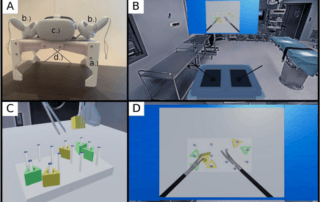
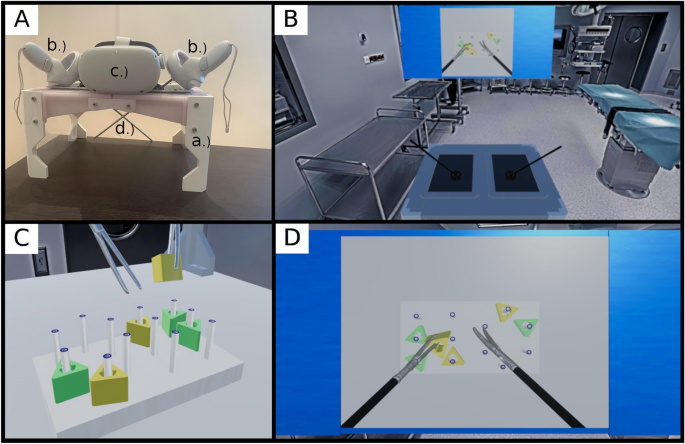
In a groundbreaking study published by Nature, researchers have unveiled a novel approach to surgical training using a low-fidelity virtual reality (VR) simulator enhanced with artificial intelligence (AI) for objective assessment. This pioneering method is poised to transform how medical students acquire laparoscopic skills, offering a cost-effective and efficient alternative to traditional training models.
AI in healthcare is projected to grow into a $188 billion industry worldwide by 2030, promising to revolutionize the field. From drug development to improved diagnostics, AI is already making significant strides, transforming medical practices and enhancing patient care efficiency.