Artificial Intelligence (AI) is no longer a futuristic concept in healthcare; it is a reality reshaping the industry today. Visionaries like Vinod Khosla have long predicted AI’s potential, foreseeing its ability to replace up to 80% of standard medical tasks. This transformation is now evident as AI technologies begin to outperform traditional methods, particularly in areas requiring precision and data processing.
From Data to Diagnosis
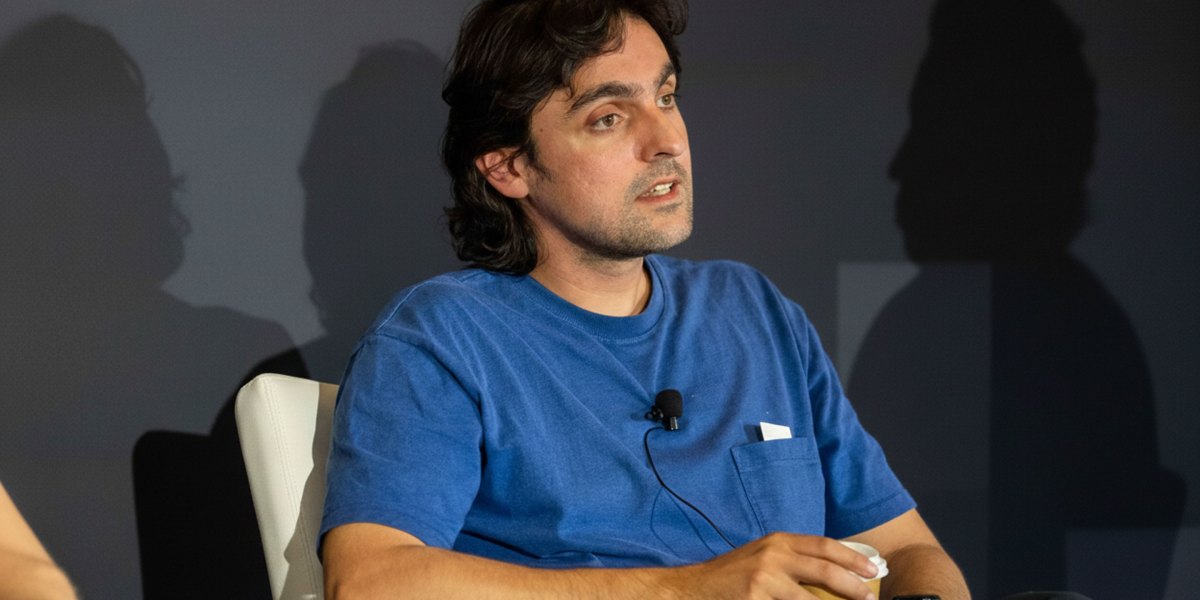
AI is increasingly being integrated into healthcare systems, shifting from human-centered care to AI-driven solutions. As Kris Pahuja, co-founder of the Y Combinator-backed startup Piramidal, observes, AI “co-pilots” are becoming standard in medical decision-making, especially in complex environments like the ICU. This integration is not just about automation; it represents a profound change in medical diagnostics, reducing errors and biases in human diagnosis and leading to better patient outcomes.
AI’s proficiency in analyzing medical imaging, particularly in fields like radiology and pathology, allows for the early detection of diseases such as cancer. This capability significantly improves treatment outcomes by enabling more accurate and timely diagnoses.
Personalized Medicine: Tailoring Treatment with AI
One of the most promising applications of AI in healthcare is its role in personalized medicine. By analyzing genetic profiles and real-time health data, AI enables treatments tailored to individual patients, moving away from the traditional one-size-fits-all approach. This personalization reduces adverse reactions and enhances treatment effectiveness. A study published in Nature Humanities and Social Sciences Communications highlights AI’s role in driving precision healthcare.
Accelerating Drug Development
AI is also accelerating drug development by allowing pharmaceutical companies to analyze large datasets from clinical trials. This capability identifies potential new drug candidates more quickly and accurately than traditional methods, potentially transforming disease management and care.
AI in Patient Care Management
AI’s potential in patient care management is substantial. By continuously monitoring patient health data, AI systems can predict potential health issues and provide timely interventions, shifting healthcare from a reactive model to a proactive one. This proactive approach not only improves patient outcomes but also reduces long-term healthcare costs.
AI-powered predictive analytics also play a crucial role in preventive care, identifying patients at risk of developing conditions like diabetes or hypertension long before symptoms appear. This early intervention strategy can prevent the onset of these diseases, significantly reducing the burden of chronic illnesses.
Ethical Considerations and Challenges
Integrating AI into healthcare is not without challenges, particularly concerning privacy, security, and ethics. AI systems require vast amounts of data to function effectively, raising concerns about data breaches and privacy. As AI systems make more autonomous decisions, ethical questions arise, such as who is responsible for incorrect diagnoses or treatment recommendations made by AI. These are complex issues that healthcare providers and regulators must address as AI becomes more prevalent in the industry.
The Nature article also underscores the ethical implications of AI in healthcare beyond data privacy and decision-making. AI’s use in patient care could lead to the dehumanization of healthcare, where decisions may become overly data-driven, potentially overlooking the nuances of human empathy and judgment.
Integrating AI
For healthcare leaders eager to embrace AI, a strategic, phased approach is recommended. Begin by identifying specific areas where AI can deliver immediate value, such as diagnostics or patient management, and launch pilot projects to test and refine these tools. Building a multidisciplinary team that includes clinicians, data scientists, and ethicists is essential to ensure that AI solutions are both effective and ethically sound.
A New Era of Healthcare
The future of healthcare lies in the seamless integration of AI technologies as partners in care, not just tools. AI is set to reshape healthcare by improving outcomes, reducing costs, and enabling personalized care. While the journey toward AI-driven healthcare is still in its early stages, the impact of these technologies is already being felt. As AI continues to advance, it will redefine the relationship between patients and healthcare providers, making care more efficient, effective, and personalized. Original Article
More Articles
Getting licensed or staying ahead in your career can be a journey—but it doesn’t have to be overwhelming. Grab your favorite coffee or tea, take a moment to relax, and browse through our articles. Whether you’re just starting out or renewing your expertise, we’ve got tips, insights, and advice to keep you moving forward. Here’s to your success—one sip and one step at a time!
After years of sharp increases and shrinking coverage options, Florida’s home insurance market is showing its strongest signs of recovery yet. Multiple insurers are proposing significant premium cuts for 2026 — some in the double digits — as storm‑loss data improves and private carriers re‑enter the state. Citizens Insurance is also seeking its first broad rate reduction in a decade, potentially lowering costs for millions of homeowners. This shift could boost affordability and confidence across Florida’s real estate and mortgage markets heading into the new year.
An AI company that began in a bedroom is now shaking the foundations of the lending industry. Salient, led by CEO Ari Malik, has skyrocketed to a $500 million valuation by fixing one of finance’s messiest problems: debt servicing. With zero customer churn, 100% pilot-to-contract conversions, and AI agents reportedly 30 times more compliant than humans, Salient is redefining how lenders manage loans. Its rapid rise highlights a new era where trust, regulation‑ready AI, and deep industry understanding are becoming essential for professionals across real estate, mortgage, finance, and insurance.
Redmond, Washington is tackling its housing crisis with Prisma, a six‑story, transit‑oriented development built on discounted surplus land from Sound Transit. The project will deliver 328 deeply affordable units—most reserved for households earning 50 percent of AMI or less, including families and people with disabilities. Enabled by a rare cross‑sector funding partnership, Prisma showcases how cities can combine transit investment, public resources, and private support to create long‑term, equitable housing solutions.
Citizens Property Insurance Corp. is recommending rate decreases for millions of Florida homeowners in 2026, marking the first potential premium drop in over a decade. If approved by state regulators, personal-line policies would fall an average of 2.6%, with some homeowners seeing reductions up to 11.5%. The shift reflects growing market stability driven by recent insurance reforms and increased private‑sector participation, though not all counties will benefit equally.
Despite alarming headlines, experts say AI isn’t the true driver behind Wall Street job cuts. Major banks like JPMorgan and Goldman Sachs are trimming staff, but economists point to post‑pandemic overhiring and economic uncertainty—not robots—as the real cause. While banks are investing heavily in AI tools, actual AI‑driven layoffs remain minimal. Instead, AI is slowing new hiring, reshaping roles, and pushing professionals across finance, real estate, and other industries to upskill rather than fear replacement.
Artificial intelligence is reshaping the real estate industry in 2025, powering a new surge of growth and maturity in the proptech sector. AI tools once considered experimental—such as predictive analytics, automated valuations, and digital transaction platforms—are now becoming essential to real estate, mortgage, insurance, and finance workflows. With rising investor confidence and widespread professional adoption, AI‑driven proptech is transforming how the industry operates and what skills modern professionals need to stay competitive.