The rapid advancement of technology is revolutionizing the healthcare sector, empowering global citizens to take greater control of their health. This transformation is paving the way for a future where care is more personalized, and the ecosystem is inclusive for medical practitioners and providers to proactively manage patients’ health. A key component of this evolution is medical networking, which is being redefined by the collaborative exchange of data among practitioners, professionals, and healthcare facilities. This shift is enhancing patient care, streamlining processes, and improving overall healthcare outcomes.
Professional Networking and Collaboration
In today’s interconnected world, medical networking transcends traditional boundaries, fostering collaboration and knowledge sharing at a global level. Advanced platforms are connecting healthcare professionals with peers, mentors, and experts worldwide, facilitating rich discussions, advice-seeking, and peer learning. These networks are crucial for enhancing clinical decision-making and keeping professionals abreast of the latest medical advancements.
Patient Education and Public Health Awareness
The COVID-19 pandemic has heightened individuals’ awareness of their health choices, leading to increased community-focused health initiatives. Through platforms like social media, healthcare institutions can disseminate valuable advice on preventive care and self-care, reaching a broader audience to foster healthier communities. Public health campaigns play a vital role in spreading crucial messages, such as vaccination drives and mental health awareness, while addressing medical misinformation effectively.
Patient Support and Community Building
Medical networking also provides invaluable support through patient advocacy and community-building efforts. These platforms create safe spaces for individuals with similar health conditions to connect, share experiences, and offer mutual support. This fosters a sense of belonging and empowers patients to navigate their journeys confidently. Additionally, dedicated mental health resources are shared within these networks to promote self-care and provide professional guidance.
Recruitment and Career Development
For healthcare professionals, medical networking offers numerous opportunities for career advancement and personal branding. From discovering job opportunities to engaging in networking events and accessing continuing education resources, these networks ensure professionals stay aligned with evolving practices. They also support professional branding by allowing individuals to share their expertise and achievements, enhancing their visibility within the industry.
Research and Clinical Trial Recruitment
Medical networking plays a critical role in advancing research and clinical trials by connecting healthcare professionals, researchers, and patients. This targeted approach accelerates trial enrollment and enhances research outcomes by reaching specific patient populations. It also facilitates the dissemination of research findings, promoting collaboration and integrating evidence-based practices into clinical care.
As highlighted by Dr. Prashant Bhand, Co-founder & Managing Director of LinkOmed, the future of medical networking is deeply intertwined with innovation and integration. With the emergence of AI-enabled solutions and telemedicine, the healthcare landscape is becoming more inclusive and efficient, setting the stage for a sustainable and collaborative patient-centric ecosystem.
For more insights, visit the original article on eHealth Magazine.
More Articles
Getting licensed or staying ahead in your career can be a journey—but it doesn’t have to be overwhelming. Grab your favorite coffee or tea, take a moment to relax, and browse through our articles. Whether you’re just starting out or renewing your expertise, we’ve got tips, insights, and advice to keep you moving forward. Here’s to your success—one sip and one step at a time!
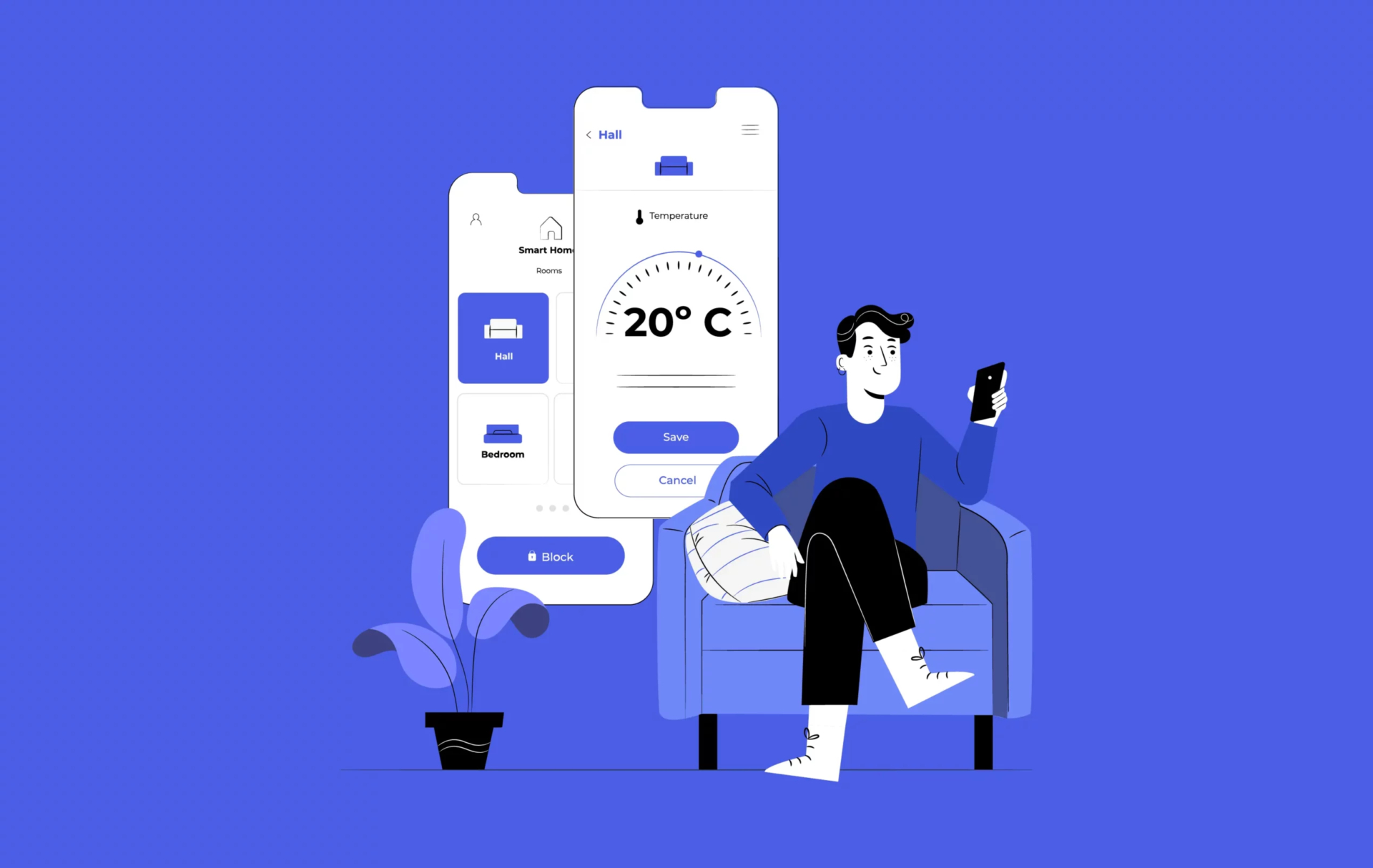
The real estate industry is on the brink of a transformation, driven by the integration of the Internet of Things (IoT). This technological advancement is reshaping how buildings operate and enhancing tenant experiences across the globe.
"This framework postulates New Orleans as already living in the future," said Patterson during the exhibition's opening. Lash added, "We want to show New Orleans as a gift and as a scout." The exhibition, featuring 51 artists across 21 venues, highlights how contemporary art can serve as an engine of coping, rather than mere recovery.
As the dust settles on the recent Republican victory in the U.S. presidential election, the tax landscape is poised for significant changes with President-elect Donald Trump set to return to the White House.
As we step into 2025, the multifamily housing sector is projected to experience modest growth. Yardi Matrix anticipates a 1.5% increase in rents, driven by positive economic conditions and stable industry fundamentals, particularly in the Northeast and Midwest regions. However, the rent growth forecasts vary across different markets.
Recent surveys have shed light on the preferences and priorities of renters in 2024, emphasizing the dominance of digital marketing and the importance of community inclusiveness.
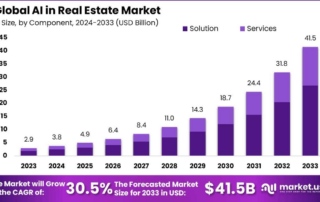
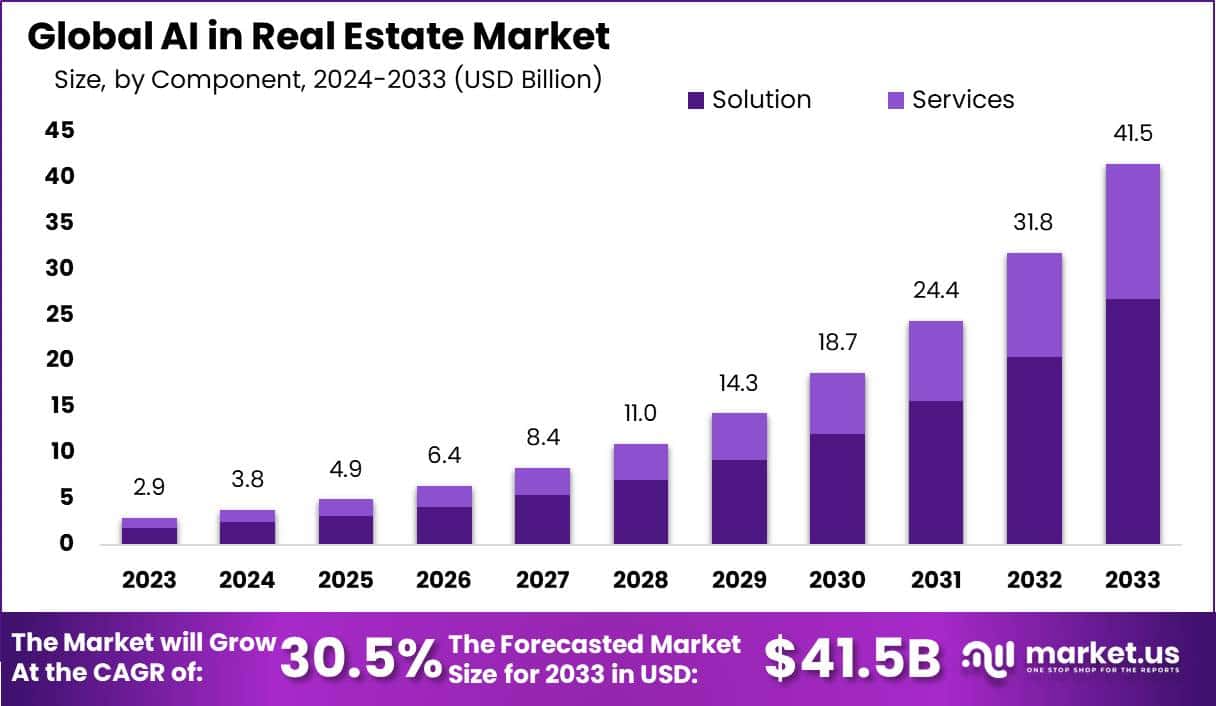
The real estate industry is on the brink of a technological transformation, with Artificial Intelligence (AI) playing a pivotal role. According to a recent report by Market.us, the AI in real estate market is projected to surge from USD 2.9 Billion in 2023 to a staggering USD 41.5 Billion by 2033, growing at an impressive CAGR of 30.5%.