The rapid advancement of technology is revolutionizing the healthcare sector, empowering global citizens to take greater control of their health. This transformation is paving the way for a future where care is more personalized, and the ecosystem is inclusive for medical practitioners and providers to proactively manage patients’ health. A key component of this evolution is medical networking, which is being redefined by the collaborative exchange of data among practitioners, professionals, and healthcare facilities. This shift is enhancing patient care, streamlining processes, and improving overall healthcare outcomes.
Professional Networking and Collaboration
In today’s interconnected world, medical networking transcends traditional boundaries, fostering collaboration and knowledge sharing at a global level. Advanced platforms are connecting healthcare professionals with peers, mentors, and experts worldwide, facilitating rich discussions, advice-seeking, and peer learning. These networks are crucial for enhancing clinical decision-making and keeping professionals abreast of the latest medical advancements.
Patient Education and Public Health Awareness
The COVID-19 pandemic has heightened individuals’ awareness of their health choices, leading to increased community-focused health initiatives. Through platforms like social media, healthcare institutions can disseminate valuable advice on preventive care and self-care, reaching a broader audience to foster healthier communities. Public health campaigns play a vital role in spreading crucial messages, such as vaccination drives and mental health awareness, while addressing medical misinformation effectively.
Patient Support and Community Building
Medical networking also provides invaluable support through patient advocacy and community-building efforts. These platforms create safe spaces for individuals with similar health conditions to connect, share experiences, and offer mutual support. This fosters a sense of belonging and empowers patients to navigate their journeys confidently. Additionally, dedicated mental health resources are shared within these networks to promote self-care and provide professional guidance.
Recruitment and Career Development
For healthcare professionals, medical networking offers numerous opportunities for career advancement and personal branding. From discovering job opportunities to engaging in networking events and accessing continuing education resources, these networks ensure professionals stay aligned with evolving practices. They also support professional branding by allowing individuals to share their expertise and achievements, enhancing their visibility within the industry.
Research and Clinical Trial Recruitment
Medical networking plays a critical role in advancing research and clinical trials by connecting healthcare professionals, researchers, and patients. This targeted approach accelerates trial enrollment and enhances research outcomes by reaching specific patient populations. It also facilitates the dissemination of research findings, promoting collaboration and integrating evidence-based practices into clinical care.
As highlighted by Dr. Prashant Bhand, Co-founder & Managing Director of LinkOmed, the future of medical networking is deeply intertwined with innovation and integration. With the emergence of AI-enabled solutions and telemedicine, the healthcare landscape is becoming more inclusive and efficient, setting the stage for a sustainable and collaborative patient-centric ecosystem.
For more insights, visit the original article on eHealth Magazine.
More Articles
Getting licensed or staying ahead in your career can be a journey—but it doesn’t have to be overwhelming. Grab your favorite coffee or tea, take a moment to relax, and browse through our articles. Whether you’re just starting out or renewing your expertise, we’ve got tips, insights, and advice to keep you moving forward. Here’s to your success—one sip and one step at a time!
A federal judge has denied class‑certification in the high‑stakes Batton commission lawsuit, delivering a temporary win for NAR and major brokerages while leaving the door open for plaintiffs to try again. With as much as $3.6 billion in potential damages on the line and nearly 80% of the proposed class now disqualified due to conflicts with earlier settlements, the case stands at a pivotal moment. Real estate professionals nationwide — especially in Florida — should watch closely, as the ruling could shape the future of buyer‑agent compensation.
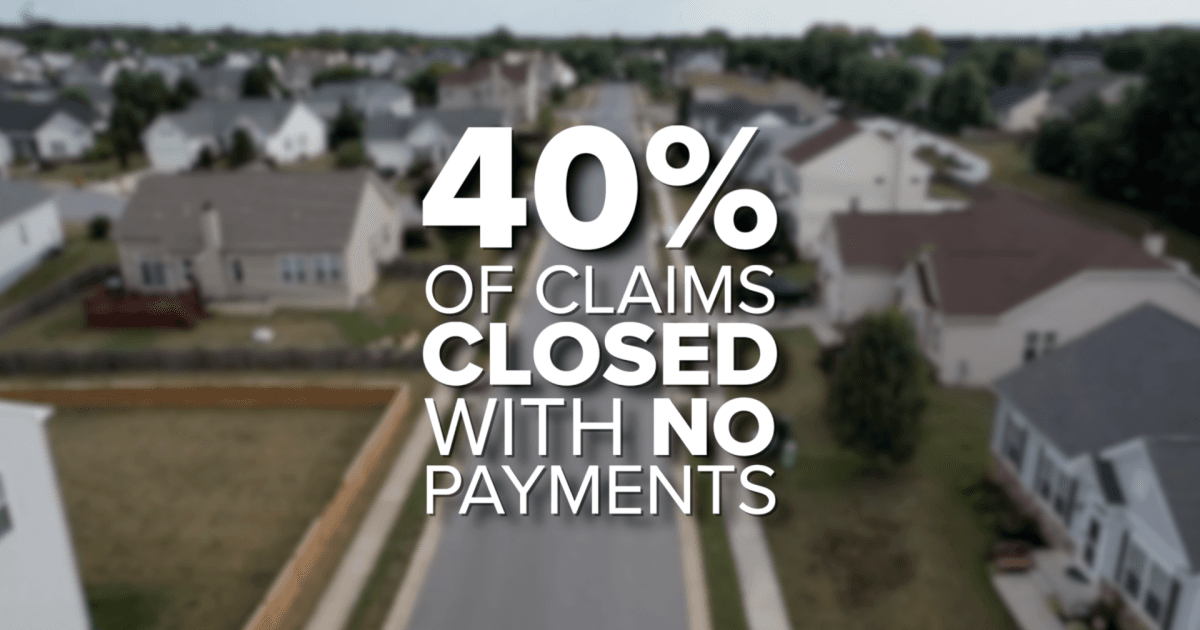
Florida homeowners are paying nearly double the national average for insurance, with premiums now reaching $5,838 a year and denied claims topping 40 percent. Residents report tripled rates, underpaid claims, and mounting financial strain, pushing lawmakers in Tallahassee to propose caps on rate hikes, tax breaks for storm‑proof upgrades, and tighter oversight of insurers. These developments are reshaping real estate and insurance conversations across the state as professionals brace for major industry shifts.
Berkshire County closed Q3 2025 with strong momentum as sales, dollar volume, and buyer competition all climbed year‑over‑year. Inventory showed slight improvement but remains far below demand, keeping the market tilted toward sellers. Single‑family homes and condos led the surge, while multifamily, land, and commercial sectors showed mixed performance. The region continues to stand out as one of New England’s most resilient real estate markets heading into 2026.
Florida homeowners now face the highest insurance burdens in the nation, with average premiums topping $5,800 per year—roughly $3,000 above the national average. As rates triple for some residents, more Floridians are skipping coverage altogether, while denied claims and slow payouts add to the frustration. With over 40 percent of claims closing with no payment and lawmakers battling over reform in Tallahassee, the crisis is reshaping budgets, homebuying decisions, and the real estate industry statewide.
Global capital is surging back into real estate—and this time, investors want more control. Colliers’ 2026 Global Investor Outlook reveals a major shift toward direct investments, joint ventures, and hands‑on strategies as money moves across North America, Europe, and the booming Asia‑Pacific markets. Data centers are now the top‑funded asset class, offices are staging a comeback, and adaptive reuse is reshaping cities worldwide. For real estate and finance professionals, the message is clear: opportunity is accelerating, and those with the right education and licensing will be at the center of the action.
The Fed’s recent rate cuts should have offered relief to commercial real estate—but long-term borrowing costs haven’t budged. While short‑term rates are falling, stubborn long‑term yields, broken deal math, and a trillion‑dollar refinancing wave are keeping the market frozen. For investors and professionals across Florida and the nation, understanding this disconnect is key to navigating the opportunities and risks emerging in today’s shifting CRE landscape.