Revolutionizing Healthcare: The Rise of Wearable Technologies
In a world where technology continues to redefine the boundaries of healthcare, wearable health technologies are making waves, offering patients the ability to monitor their health from the comfort of their homes. According to a recent Forbes article, these innovations are enhancing patient monitoring and providing real-time data, leading to improved health outcomes for both patients and providers.
The Power of Continuous Monitoring
One of the most significant advancements in wearable technology is the continuous vital sign collection. Devices equipped with advanced sensors are now capable of providing real-time data on patients’ health, ensuring timely intervention and personalized care. As highlighted by Frank Chan from Medtronic, this constant monitoring minimizes gaps in observation, empowering clinicians to offer proactive support.
Microfluidic Patches: A Breakthrough in Remote Care
Microfluidic patches, as noted by Amitkumar Shrivastava of Fujitsu, are small adhesive patches that provide real-time analysis of bodily biomarkers. This innovation reduces the need for invasive tests, enhances diagnostic accuracy, and improves patient engagement, setting a new standard in remote healthcare.
Wearable ECGs and Smartwatches
Wearable ECG devices, including smartwatches, have transformed cardiac care by enabling remote monitoring of heart activity. Konstantin Klyagin of Redwerk explains how these devices, paired with apps, allow physicians to review data remotely, promoting proactive health management and early detection of stroke risks.
AI and Wearables: A Perfect Partnership
The integration of AI in wearable devices is driving incredible progress in patient monitoring. Jeff Wong from EY emphasizes that AI processes vast amounts of biometric data rapidly, resulting in prescriptive, preventive care and reducing costs for healthcare providers.
Hyper-Personalized Health Technology
Hyper-personalization, powered by AI and machine learning, is transforming user experiences in wearable health technology. Deepak Gupta of Cars24 Financial Services highlights how these systems offer tailored recommendations, motivating users to make healthier choices and achieve superior health outcomes.
As we continue to navigate the future of healthcare, these wearable technologies are not just innovations; they are a revolution in how we perceive and manage health. For more insights, visit the Forbes Technology Council.
More Articles
Getting licensed or staying ahead in your career can be a journey—but it doesn’t have to be overwhelming. Grab your favorite coffee or tea, take a moment to relax, and browse through our articles. Whether you’re just starting out or renewing your expertise, we’ve got tips, insights, and advice to keep you moving forward. Here’s to your success—one sip and one step at a time!
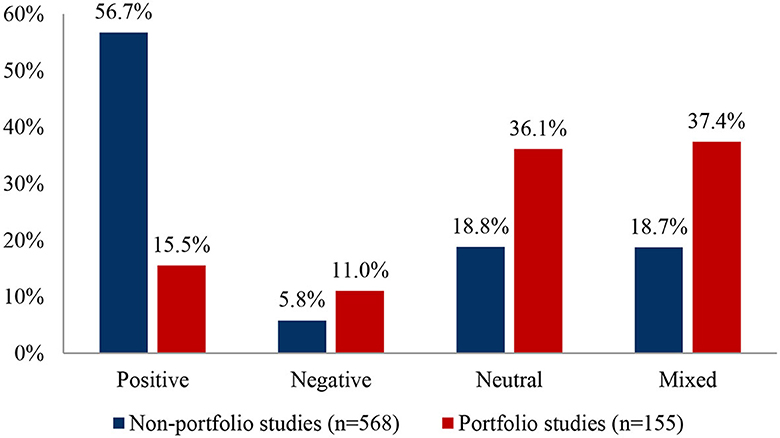
Notably, the review concludes that ESG factors generally contribute positively or neutrally to financial returns, suggesting that socially responsible investing is viable without compromising profitability.
In the ever-evolving world of real estate investment, the digital age has ushered in a new era of convenience and accessibility. According to a recent Business Insider article, the best apps for real estate investors in February 2025 offer a range of features designed to cater to both accredited and non-accredited investors.
The 2025 Commercial Real Estate Outlook by Deloitte urges organizations to strategically navigate the shifting tides to secure a robust position for the future.

 In a world where technology continues to redefine the boundaries of healthcare, wearable health technologies are making waves, offering patients the ability to monitor their health from the comfort of their homes. According to a recent