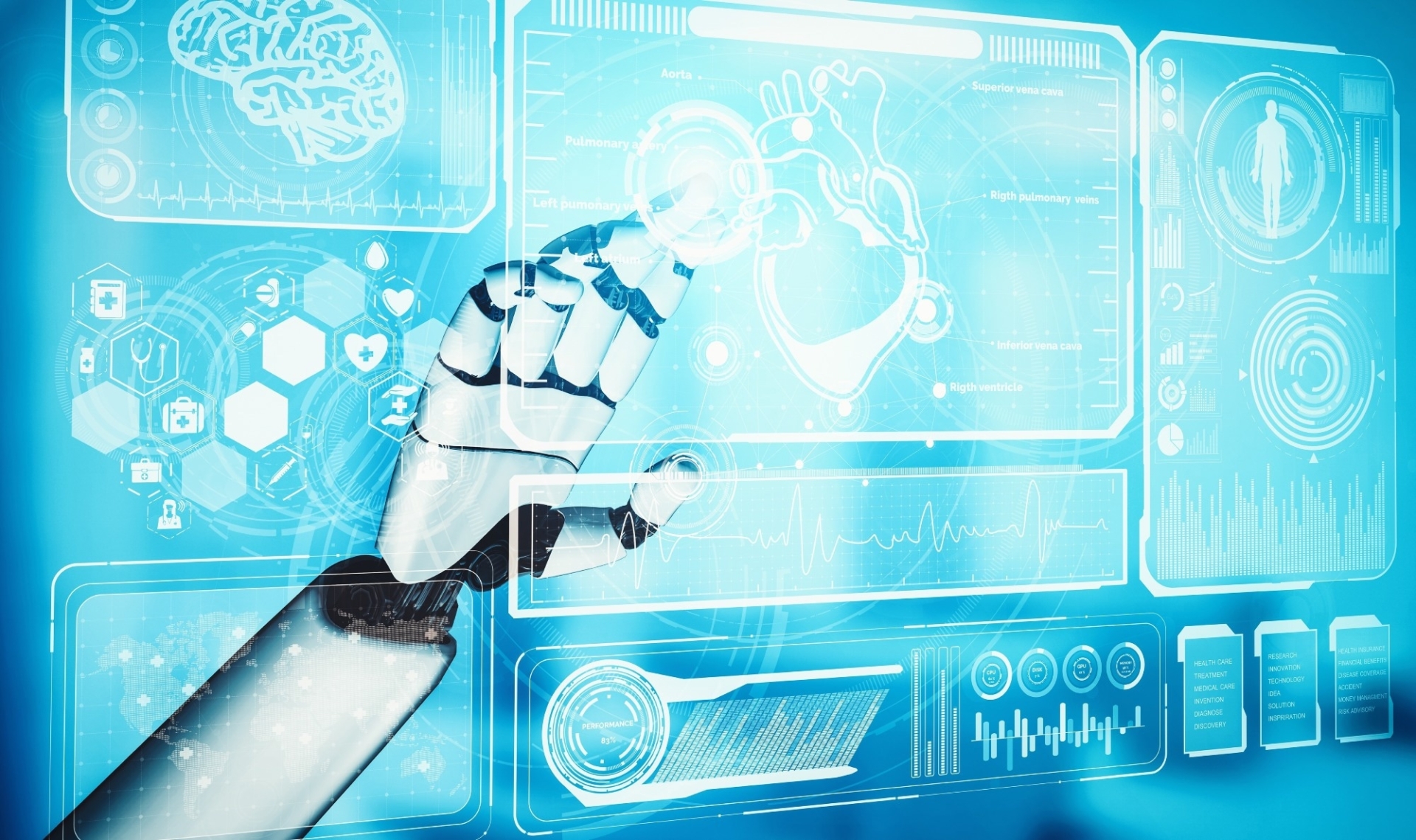
Artificial Intelligence (AI) is on the brink of revolutionizing the healthcare industry, promising to enhance patient care by making it more predictive, preventive, and personalized. Spearheading this transformation is Saeed Hassanpour, PhD, director of the Dartmouth Center for Precision Health and Artificial Intelligence (CPHAI). According to Hassanpour, AI’s integration into healthcare will increase efficiency, accessibility, and diagnostic accuracy, fundamentally reshaping the landscape.

Saeed hassanpour
Saeed Hassanpour, PhD, Director, Dartmouth Center for Precision Health and Artificial Intelligence


Hassanpour emphasizes that AI’s ability to analyze large datasets of biomedical information is crucial to this transformation. AI techniques can recognize patterns that humans might overlook, leading to earlier disease detection and improved outcomes. This proficiency in pattern recognition not only aids early diagnosis but also highlights risk factors, allowing for preventive interventions that contribute to overall population health.

The mission of the CPHAI is to facilitate advancements through novel and interdisciplinary research, while ensuring ethical AI usage. As Hassanpour highlights, Dartmouth aims to lead globally in demonstrating the seamless integration of AI in healthcare, setting a model for other institutions.

Established on the Dartmouth Hitchcock Medical Center campus in June 2023, the CPHAI has received initial funding of $2 million from Dartmouth’s Geisel School of Medicine and the Dartmouth Cancer Center. Dartmouth Health will also partner with the Center in ongoing collaborative research, clinical trials, and the incorporation of AI solutions in clinical settings.

The diverse team at CPHAI includes clinical associate directors from various departments, supported by a broad advisory board of leaders and stakeholders from Dartmouth Health. This collaboration is essential in developing clinically relevant AI solutions that can be swiftly translated into patient care, providing significant benefits to both local and global communities.

The Center also focuses on equity and ethics, ensuring the technologies developed are devoid of biases. Protecting patient privacy and data security remains a priority, aligned with promoting equitable access to AI advancements. With AI in healthcare projected to burgeon from under $5 billion in 2020 to over $45 billion by 2026, CPHAI is paving the way by cultivating a local workforce skilled in AI. This initiative, including a Dartmouth graduate program with machine learning courses, will enhance the pool of skilled individuals to drive innovation in the healthcare domain.

Hassanpour anticipates a future where AI dramatically transforms healthcare, improving every aspect from diagnosis to treatment and prevention, ultimately leading to superior patient outcomes for all.


More Articles

Getting licensed or staying ahead in your career can be a journey—but it doesn’t have to be overwhelming. Grab your favorite coffee or tea, take a moment to relax, and browse through our articles. Whether you’re just starting out or renewing your expertise, we’ve got tips, insights, and advice to keep you moving forward. Here’s to your success—one sip and one step at a time!

2025 Commercial Real Estate Outlook: Navigating a New Era

The commercial real estate landscape is on the brink of transformation as leaders seek to navigate the challenges of recent years and position their organizations for future opportunities.

The Emerging Mental Health Crisis Among Healthcare Workers During the COVID-19 Pandemic

The pandemic has ushered in a wave of mental health challenges that affect healthcare workers profoundly. From the onset of COVID-19, these professionals have been at the forefront, facing immense pressure, long hours, and the constant fear of exposure.

By |December 18, 2024|Categories: Article, Healthcare Workers, Mental Health|Tags: , |0 Comments

Ethical Concerns of Large Language Models in Healthcare

Exploring the dual nature of LLMs offers substantial benefits in healthcare but also raises significant ethical concerns, underscoring the need for well-defined guidelines and human oversight.

The Role of Wearable Devices in Chronic Disease Monitoring and Patient Care: A Comprehensive Review

Wearable devices have become integral in managing chronic conditions by providing continuous health data, empowering patients and healthcare professionals with insights that were previously unattainable.

AI Training Mandates: Navigating Legal Waters in Dentistry

The integration of artificial intelligence (AI) into dental practices is more than a technological trend; it represents a seismic shift in the industry. This transformation is reshaping skill sets and prompting a thorough examination of legal and ethical implications.

By |December 17, 2024|Categories: Article, Legal, Technology|Tags: , |0 Comments

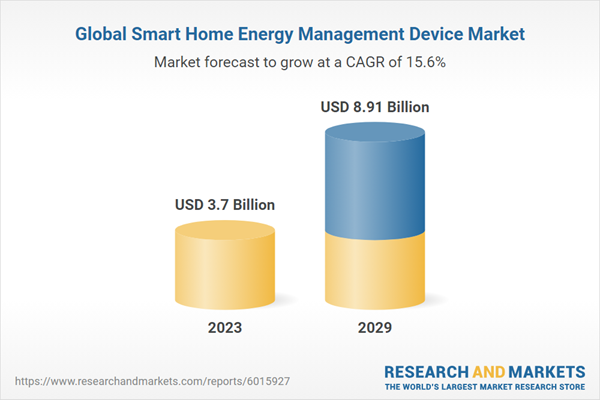
Smart Home Energy Management Devices: A Market Poised for Growth

The Global Smart Home Energy Management Device Market is on the brink of a significant transformation, driven by escalating demands for energy-efficient solutions and the increasing adoption of smart home technologies.