Artificial Intelligence (AI) is on the brink of revolutionizing the healthcare industry, promising to enhance patient care by making it more predictive, preventive, and personalized. Spearheading this transformation is Saeed Hassanpour, PhD, director of the Dartmouth Center for Precision Health and Artificial Intelligence (CPHAI). According to Hassanpour, AI’s integration into healthcare will increase efficiency, accessibility, and diagnostic accuracy, fundamentally reshaping the landscape.

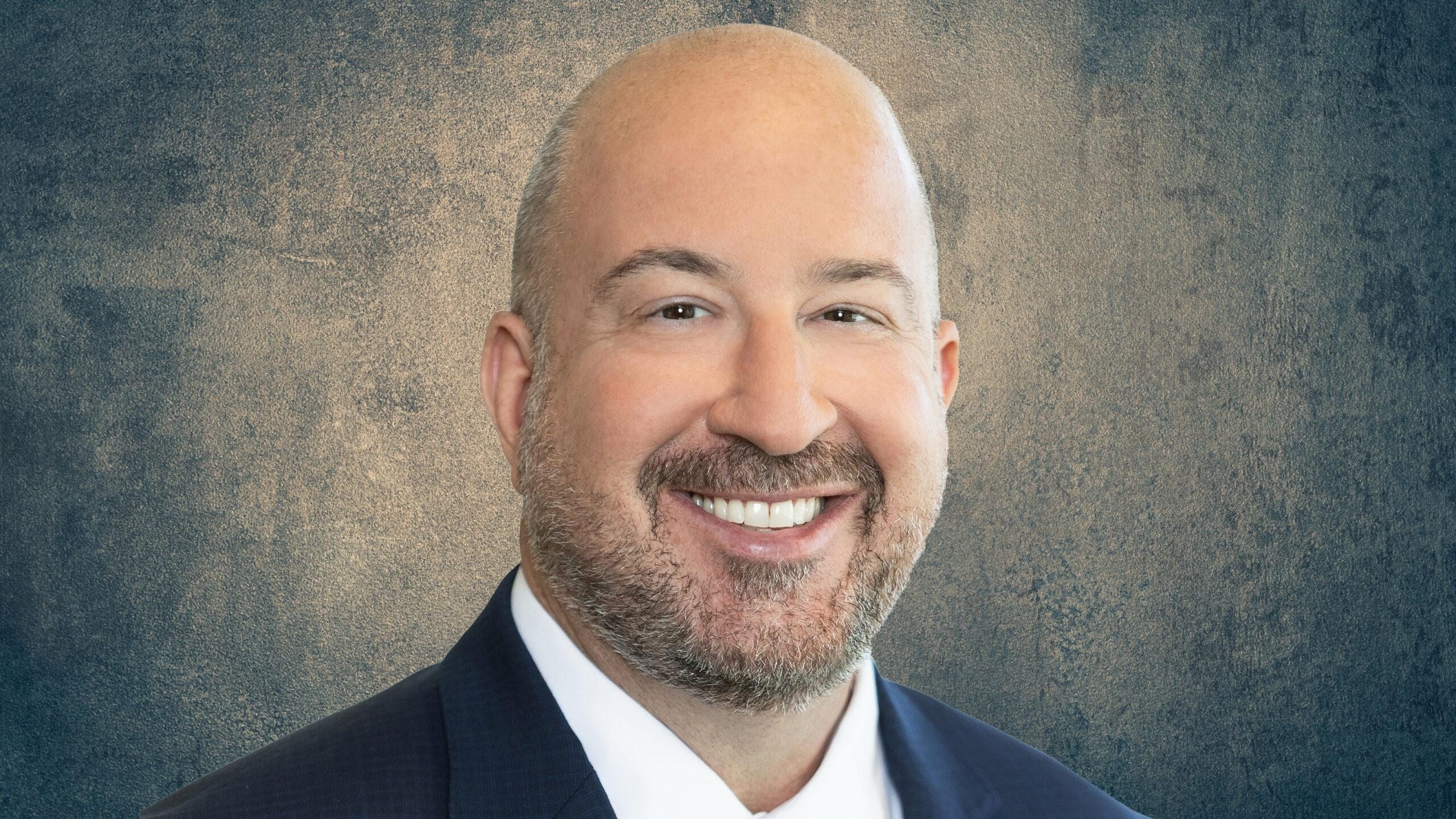
Saeed hassanpour
Saeed Hassanpour, PhD, Director, Dartmouth Center for Precision Health and Artificial Intelligence


Hassanpour emphasizes that AI’s ability to analyze large datasets of biomedical information is crucial to this transformation. AI techniques can recognize patterns that humans might overlook, leading to earlier disease detection and improved outcomes. This proficiency in pattern recognition not only aids early diagnosis but also highlights risk factors, allowing for preventive interventions that contribute to overall population health.

The mission of the CPHAI is to facilitate advancements through novel and interdisciplinary research, while ensuring ethical AI usage. As Hassanpour highlights, Dartmouth aims to lead globally in demonstrating the seamless integration of AI in healthcare, setting a model for other institutions.

Established on the Dartmouth Hitchcock Medical Center campus in June 2023, the CPHAI has received initial funding of $2 million from Dartmouth’s Geisel School of Medicine and the Dartmouth Cancer Center. Dartmouth Health will also partner with the Center in ongoing collaborative research, clinical trials, and the incorporation of AI solutions in clinical settings.

The diverse team at CPHAI includes clinical associate directors from various departments, supported by a broad advisory board of leaders and stakeholders from Dartmouth Health. This collaboration is essential in developing clinically relevant AI solutions that can be swiftly translated into patient care, providing significant benefits to both local and global communities.

The Center also focuses on equity and ethics, ensuring the technologies developed are devoid of biases. Protecting patient privacy and data security remains a priority, aligned with promoting equitable access to AI advancements. With AI in healthcare projected to burgeon from under $5 billion in 2020 to over $45 billion by 2026, CPHAI is paving the way by cultivating a local workforce skilled in AI. This initiative, including a Dartmouth graduate program with machine learning courses, will enhance the pool of skilled individuals to drive innovation in the healthcare domain.

Hassanpour anticipates a future where AI dramatically transforms healthcare, improving every aspect from diagnosis to treatment and prevention, ultimately leading to superior patient outcomes for all.


More Articles

Getting licensed or staying ahead in your career can be a journey—but it doesn’t have to be overwhelming. Grab your favorite coffee or tea, take a moment to relax, and browse through our articles. Whether you’re just starting out or renewing your expertise, we’ve got tips, insights, and advice to keep you moving forward. Here’s to your success—one sip and one step at a time!

Commercial Real Estate Slows Again as Investors Flock to Larger, Safer Deals

November marked another cooldown for commercial real estate, with total deal volume dropping 10% year over year and falling below even 2020’s levels. While overall activity is slowing, investors are concentrating their money on bigger, more resilient assets—driving a 51% surge in deals over $100 million and pushing average transaction sizes well above historical norms. Multifamily remains the strongest sector, office deals are becoming more strategically focused, and medical office and data centers continue to outperform as long‑term demand stays solid.

Lower Rates Could Spark a Commercial Real Estate Comeback in 2026

After years of stalled activity, commercial real estate may finally be nearing a rebound. Experts say that expected interest‑rate drops in 2026 could reignite investor confidence, unlock sidelined capital, and boost deal flow across multiple sectors. But the outlook isn’t uniformly sunny—multifamily faces oversupply, industrial is cooling after years of rapid growth, and weakening employment conditions may slow absorption. For professionals across real estate, mortgage, insurance, and finance, the shifting landscape presents both challenges and major opportunities for those who stay informed and properly licensed.

Consumer Reports Warns Congress About Rising Fintech Risks in 2026

Consumer Reports delivered a major warning to Congress, highlighting how rapidly expanding fintech tools—especially AI‑driven platforms—are outpacing consumer protections. In testimony before the House Subcommittee on Digital Assets, Financial Technology and AI, CR called for stronger, clearer rules to prevent hidden fees, predatory practices, and confusion within digital financial products. For professionals in real estate, mortgages, insurance, and finance, these emerging regulations may soon influence lending decisions, underwriting, credit evaluations, and compliance expectations across the industry.

Amazon’s Massive Corporate Shakeup Signals a New Era of AI‑Driven Workforce Transformation

Amazon is preparing to cut up to 30,000 corporate jobs by mid‑2026 as it pivots aggressively toward automation and AI. Following 14,000 layoffs in late 2025, the company is eliminating layers of management to redirect billions into robotics, generative AI systems, and supercomputing partnerships. While warehouse hiring continues for seasonal demand, Amazon’s internal shift reveals a broader nationwide trend: white‑collar roles across tech, finance, logistics, and more are being reshaped by automation at unprecedented speed.

Chuck Bonfiglio Steps In as 2026 Florida Realtors President, Signaling a Year of Big Industry Shifts

Florida’s real estate market enters 2026 with new leadership at the helm as Chuck Bonfiglio, broker-owner of AAA Realty Group, is officially installed as President of Florida Realtors. With more than 230,000 members behind the association, Bonfiglio highlights affordability, insurance reform, and taxes as key priorities while expressing optimism about easing mortgage rates, stabilizing prices, and growing inventory. Backed by years of statewide and national Realtor leadership, he aims to guide professionals through another transformative year alongside a newly appointed 2026 leadership team.

Tampa’s Real Estate Market Enters Its Selective Era

Tampa isn’t cooling off—it’s getting smarter. After years of rapid expansion, the city’s commercial real estate market has shifted into a more disciplined, selective phase. Population growth remains strong, office leasing is outperforming national trends, industrial activity is normalizing sustainably, and retail is seeing renewed investor confidence. With capital becoming more cautious and health care real estate emerging as a major growth sector, Tampa is entering a new era focused on strategy, execution, and long‑term fundamentals.