Revolutionizing Liver Cancer Diagnosis: An Emerging Market Potential

Liver cancer continues to be a significant health challenge globally, ranking as one of the leading causes of cancer-related deaths. Over the past few decades, there has been a notable increase in the demand for both diagnosis and treatment of liver cancer. With remarkable progress in diagnostic technologies, including imaging, blood tests, and molecular diagnostics, the liver cancer diagnostic market is expected to expand considerably.

Market Overview and Growth Projections

As of 2023, the global liver cancer diagnostic market is valued at USD 8.2 billion. Projections indicate a growth at a compound annual rate (CAGR) of 7.6% from 2024, anticipated to reach USD 15.7 billion by 2032. This expansion is driven by the rising incidence of liver cancer, innovations in diagnostic technologies, and heightened investments in the healthcare sector.

Driving Factors in Market Growth

The increasing prevalence of liver cancer, especially in regions facing high hepatitis B and C rates, significantly elevates the need for effective diagnostics. Furthermore, technological advancements, such as liquid biopsy providing non-invasive options, propel market growth. Additionally, governmental and non-governmental screening initiatives promote early detection and improved survival outcomes. For further insights, the report is accessible for download at Acumen Research.

Challenges and Opportunities in the Market

Despite promising advancements, certain challenges persist, such as the high costs of advanced diagnostics and limited accessibility in regions with underdeveloped healthcare infrastructure. Nevertheless, the market holds substantial opportunities, particularly with the rise of personalized medicine and the development of non-invasive diagnostic methods that reduce patient discomfort while maintaining accuracy.

Segmentation and Regional Growth

The liver cancer diagnostic market can be segmented by test type, end-user, and geography. Test types include laboratory, blood, imaging tests, and more. End-users encompass hospitals, diagnostic labs, academic research institutes, and pharmaceutical entities.
Regionally, North America leads the market, fueled by advanced healthcare systems and significant expenditure. In the Asia-Pacific, rapid growth is expected due to increasing cancer rates and improved healthcare infrastructures in countries like China and India. Europe, led by the UK and Germany, also shows promising expansion with investments in cancer research. Meanwhile, Latin America and the Middle East & Africa are witnessing gradual growth due to better awareness and healthcare access.

Emerging Trends in Diagnostic Strategies

One of the foremost trends is the adoption of liquid biopsy for non-invasive diagnosis. The increasing integration of artificial intelligence in diagnostics enhances accuracy by analyzing substantial medical data to detect early-stage liver cancer. Moreover, advances in molecular and genetic testing offer more precise diagnostics, enabling targeted therapies. Telemedicine and remote diagnostic services are revolutionizing access in regions with limited healthcare facilities.

Competitive Landscape and Market Players

The market features intense competition with leading companies like Abbott Laboratories, F. Hoffmann-La Roche Ltd., and Siemens Healthineers innovating to maintain their positions. These players focus on expanding their product lines through partnerships, acquisitions, and robust investment in research and development.

In Conclusion

The liver cancer diagnostic market is headed for significant growth, driven by the increasing prevalence of the disease and advancements in diagnostic technology. Despite certain limitations, the market presents vital opportunities in the field of non-invasive diagnostics and personalized medicine. As innovations continue, these advancements promise to enhance patient outcomes significantly.
For further details, the original source can be viewed at Acumen Research.

More Articles

Getting licensed or staying ahead in your career can be a journey—but it doesn’t have to be overwhelming. Grab your favorite coffee or tea, take a moment to relax, and browse through our articles. Whether you’re just starting out or renewing your expertise, we’ve got tips, insights, and advice to keep you moving forward. Here’s to your success—one sip and one step at a time!

Is Florida’s Booming Real Estate Market Becoming Unaffordable?

Florida is facing a real estate crisis marked by skyrocketing insurance premiums, stringent FEMA rules, and a surge in hedge fund property acquisitions.

By |November 14, 2024|Categories: Article, Finance/Economy, Real Estate|Tags: , |0 Comments

Revolutionizing Cancer Therapy: The Promise of Patient-Derived Organoids

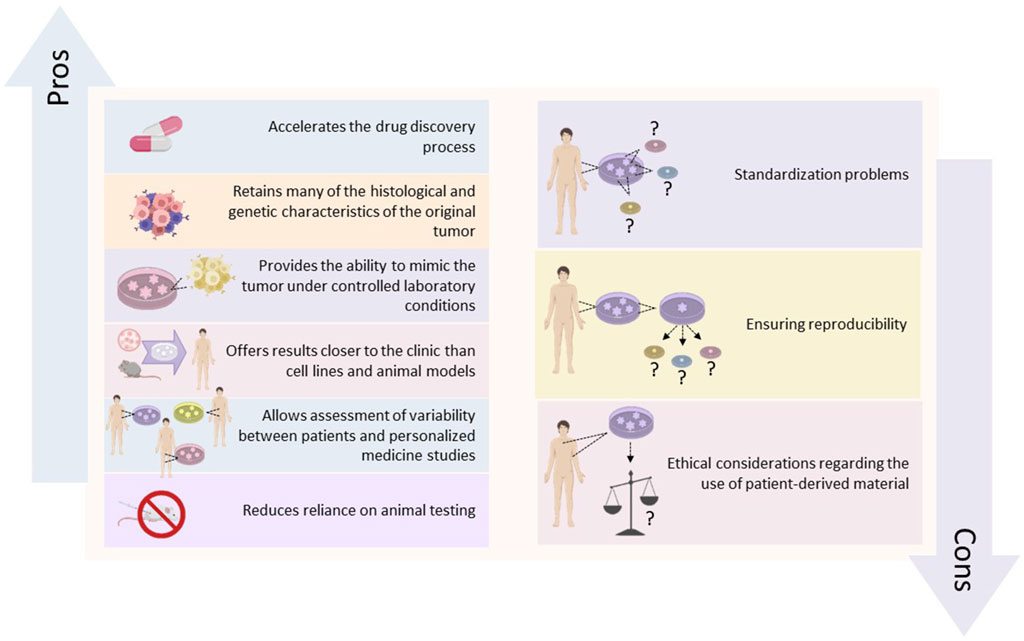
Patient-derived organoids offer an unprecedented opportunity to replicate the complex structure and genetic makeup of cancers, providing a more accurate model for clinical drug screening and pharmacognostic assessment.

The AI Revolution in Dermatology: A Systematic Review

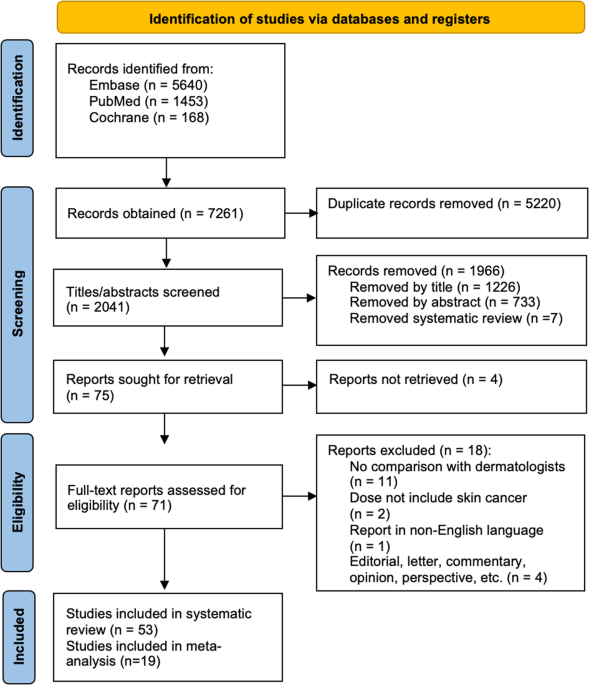
In a groundbreaking study published in Nature, researchers have delved into the burgeoning field of artificial intelligence (AI) in dermatology, specifically examining its role in diagnosing skin cancer. The study, titled "A Systematic Review and Meta-Analysis of Artificial Intelligence Versus Clinicians for Skin Cancer Diagnosis," offers a comprehensive look at how AI stacks up against human clinicians in this critical area of healthcare.

By |November 14, 2024|Categories: AI in Healthcare, Article, Dermatology|Tags: , |0 Comments

The Fast Lane to Fully Autonomous Vehicles: Industry Innovations and Future Prospects

The automotive world is abuzz with announcements from major players like Tesla, Rimac, Renault, and Nissan, each unveiling plans to introduce autonomous vehicles in the near future. Tesla's much-anticipated "CyberCab" is set for an October 2024 debut, while Rimac and Renault are gearing up for releases in 2026.

Futureproofing for Insurers: The Role of AI and Hyper-Personalization

In a rapidly evolving industry, insurance companies are turning to artificial intelligence (AI) and hyper-personalization to stay ahead of the curve.

Revolutionizing Healthcare: The Power and Potential of AI

AI technology offers a multitude of benefits, from enhancing patient outcomes to reducing healthcare costs and improving population health. Its application ranges from preventive screenings to complex diagnostic procedures, marking a new era in medical care.

By |November 13, 2024|Categories: Article, Artificial Intelligence, Healthcare|Tags: , |0 Comments