Revolutionizing Medical Diagnostics with AI: A Leap Forward in Cytopathology

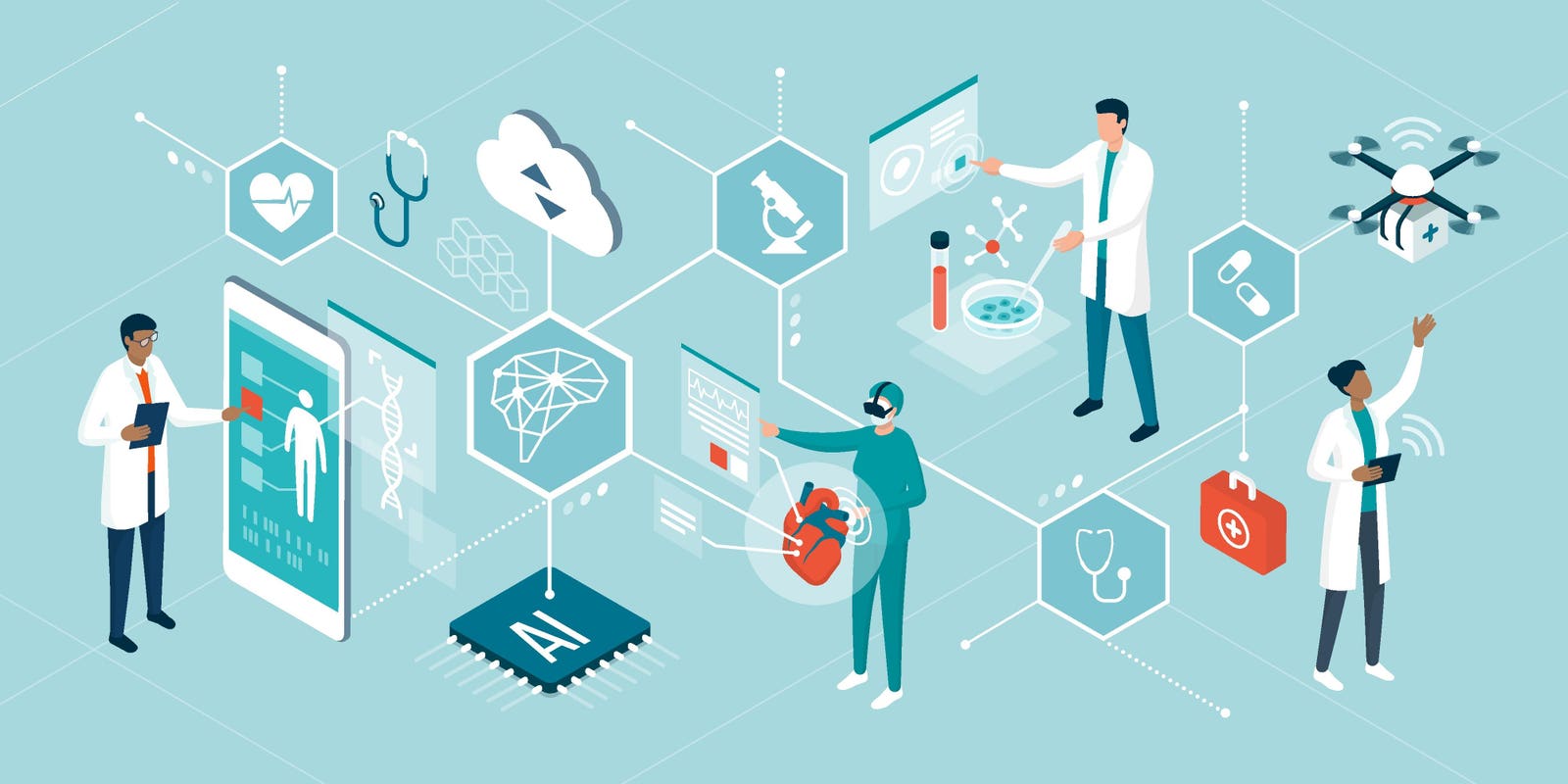
In a groundbreaking advancement for medical diagnostics, the integration of artificial intelligence (AI) and computer vision is set to transform the analysis of cytopathological images. As reported in a recent article by Nature, this innovation is particularly crucial for developing countries where the shortage of medical professionals makes manual image analysis a daunting challenge.

The Challenge of Manual Image Analysis

The interpretation of cytopathological images is a cornerstone of modern medical diagnosis. Yet, the sheer volume of image data makes it nearly impossible to manually identify and locate relevant cells. This issue is exacerbated in developing regions, where resources and trained personnel are scarce. The conventional methods of image segmentation demand extensive labeled data, which is often unavailable, leading to inefficiencies and inaccuracies.

AI and Computer Vision: A Promising Solution

AI, through the lens of computer vision, offers a promising solution. By employing semi-supervised semantic segmentation, AI systems can enhance the efficiency and accuracy of image analysis. This method leverages a combination of labeled and unlabeled data, reducing the dependency on extensive human labeling. As a result, AI can significantly improve the diagnostic process, providing a more economical and effective option for cytopathology image diagnosis.

Innovative Techniques and Developments

The article introduces a novel network architecture, RSAA (ResUNet-SE-ASPP-Attention), which integrates advanced modules like Squeeze and Excitation (SE), Atrous Spatial Pyramid Pooling (ASPP), and Attention mechanisms. This architecture is designed to address the challenges of segmenting cellular pathology images, particularly in the detection of osteosarcoma. The RSAA model, along with the semi-supervised learning method RU3S, demonstrates a marked improvement in segmentation accuracy, even with limited labeled data.

Impact on Developing Countries

For developing countries, where medical resources are limited, these advancements are game-changers. The ability to utilize unlabeled data effectively means that AI can alleviate the pressure on healthcare systems, enabling faster and more accurate cancer diagnoses. This development not only enhances the diagnostic workflow but also opens new avenues for timely and precise cancer detection.

Conclusion

As we stand on the brink of a new era in medical diagnostics, the integration of AI and computer vision in cytopathology is a testament to the potential of technology to overcome significant healthcare challenges. This innovation, as highlighted in the Nature article, underscores the importance of continued research and development in AI-assisted medical diagnostics.

More Articles

Getting licensed or staying ahead in your career can be a journey—but it doesn’t have to be overwhelming. Grab your favorite coffee or tea, take a moment to relax, and browse through our articles. Whether you’re just starting out or renewing your expertise, we’ve got tips, insights, and advice to keep you moving forward. Here’s to your success—one sip and one step at a time!

KBank’s Crypto Dilemma: Navigating Legislative Changes Amid IPO Plans

The financial landscape in South Korea is poised for a seismic shift as KBank, a major digital bank, grapples with a legislative curveball. The bank, which is heavily reliant on deposits from Upbit, Korea’s dominant cryptocurrency exchange, is facing a potential profit squeeze. The new Virtual Asset User Protection Act, set to take effect on July 19, 2024, mandates that banks must pay interest on crypto exchange deposits, a move that could severely impact KBank's bottom line.

By |December 29, 2024|Categories: Article, Cryptocurrency, Finance|Tags: |0 Comments

The Transformation of Healthcare: AI’s Role in Diagnostics and Personalized Medicine

AI's ability to analyze vast amounts of data is paving the way for a profound change in medical diagnostics. Khosla predicted that AI could take over up to 80% of standard medical tasks, reducing errors and biases in human diagnosis. This is particularly evident in fields like radiology and pathology, where AI's proficiency in analyzing medical imaging allows for the early detection of diseases such as cancer, significantly improving treatment outcomes.

The Geography of Pandemic-Era Home Price Trends and Implications for Affordability

The COVID-19 pandemic has dramatically reshaped the housing market landscape, resulting in an unprecedented surge in home prices throughout the United States.

By |December 28, 2024|Categories: Affordability Issues, Article, Housing Market|Tags: |0 Comments

AI in Healthcare: Transforming the Industry Today and Tomorrow

In a world where technology is rapidly evolving, artificial intelligence (AI) is proving to be a game-changer in the healthcare sector. AI-powered tools are improving patient outcomes, enhancing operational efficiency, and reducing costs, reshaping the very fabric of healthcare delivery.

By |December 28, 2024|Categories: Article, Artificial Intelligence, Healthcare|Tags: |0 Comments

Revolutionizing Surgical Training with VR and AI

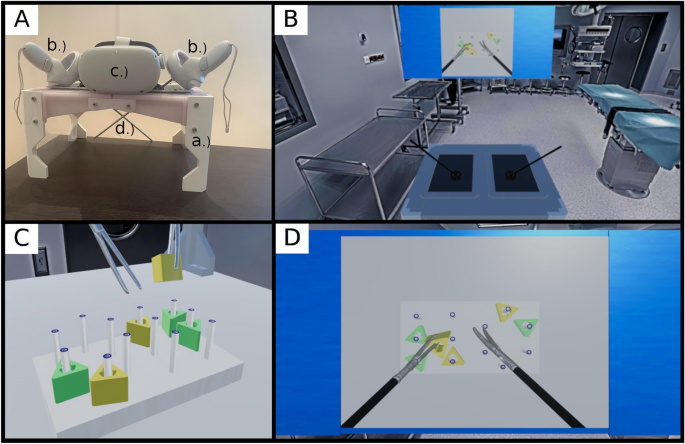
In a groundbreaking study published by Nature, researchers have unveiled a novel approach to surgical training using a low-fidelity virtual reality (VR) simulator enhanced with artificial intelligence (AI) for objective assessment. This pioneering method is poised to transform how medical students acquire laparoscopic skills, offering a cost-effective and efficient alternative to traditional training models.

AI and Machine Learning: Revolutionizing the Healthcare Industry

AI in healthcare is projected to grow into a $188 billion industry worldwide by 2030, promising to revolutionize the field. From drug development to improved diagnostics, AI is already making significant strides, transforming medical practices and enhancing patient care efficiency.

By |December 27, 2024|Categories: Article, Healthcare, Technology|Tags: , |0 Comments