Revolutionizing Medical Diagnostics with AI: A Leap Forward in Cytopathology

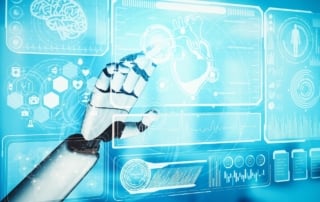
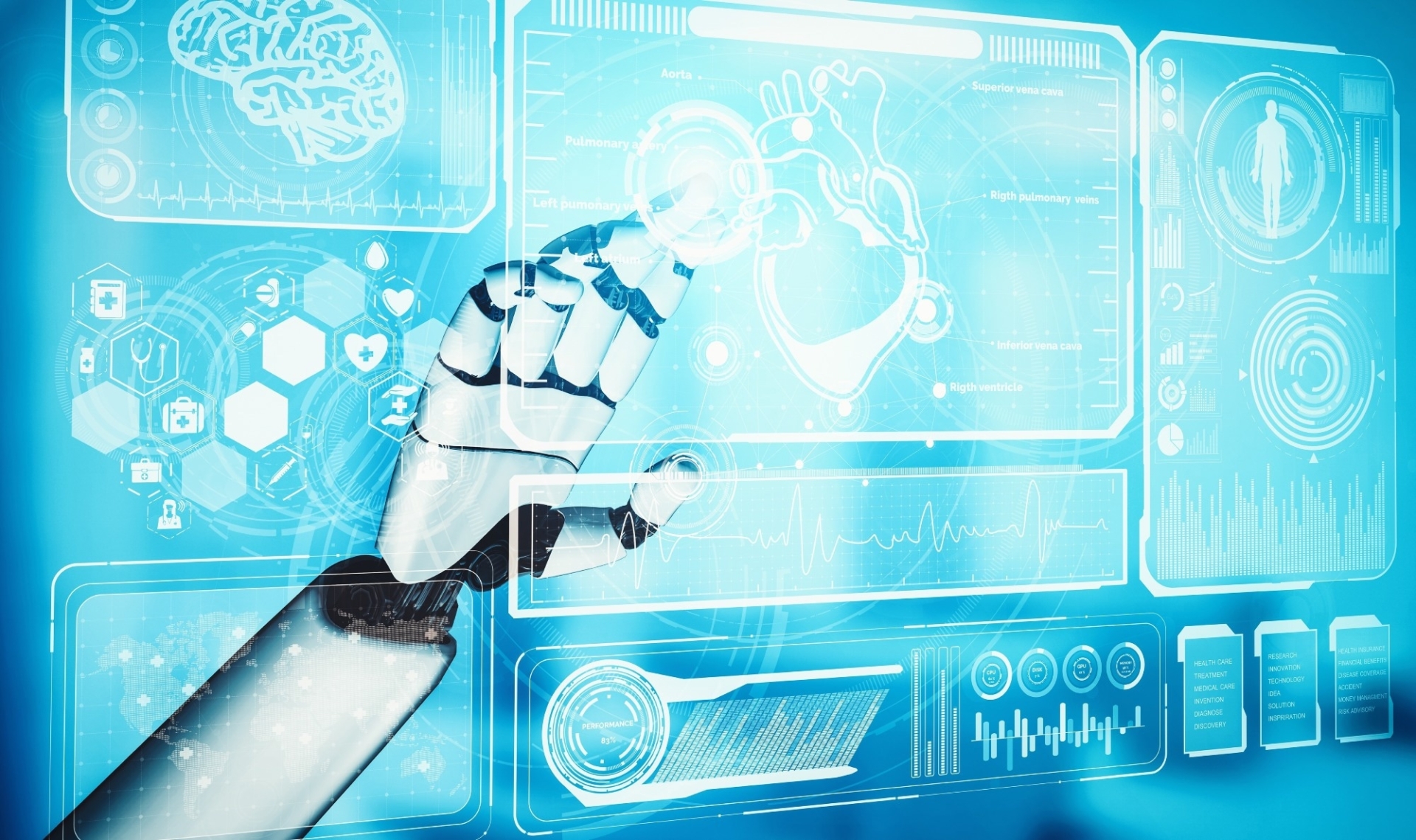
In a groundbreaking advancement for medical diagnostics, the integration of artificial intelligence (AI) and computer vision is set to transform the analysis of cytopathological images. As reported in a recent article by Nature, this innovation is particularly crucial for developing countries where the shortage of medical professionals makes manual image analysis a daunting challenge.

The Challenge of Manual Image Analysis

The interpretation of cytopathological images is a cornerstone of modern medical diagnosis. Yet, the sheer volume of image data makes it nearly impossible to manually identify and locate relevant cells. This issue is exacerbated in developing regions, where resources and trained personnel are scarce. The conventional methods of image segmentation demand extensive labeled data, which is often unavailable, leading to inefficiencies and inaccuracies.

AI and Computer Vision: A Promising Solution

AI, through the lens of computer vision, offers a promising solution. By employing semi-supervised semantic segmentation, AI systems can enhance the efficiency and accuracy of image analysis. This method leverages a combination of labeled and unlabeled data, reducing the dependency on extensive human labeling. As a result, AI can significantly improve the diagnostic process, providing a more economical and effective option for cytopathology image diagnosis.

Innovative Techniques and Developments

The article introduces a novel network architecture, RSAA (ResUNet-SE-ASPP-Attention), which integrates advanced modules like Squeeze and Excitation (SE), Atrous Spatial Pyramid Pooling (ASPP), and Attention mechanisms. This architecture is designed to address the challenges of segmenting cellular pathology images, particularly in the detection of osteosarcoma. The RSAA model, along with the semi-supervised learning method RU3S, demonstrates a marked improvement in segmentation accuracy, even with limited labeled data.

Impact on Developing Countries

For developing countries, where medical resources are limited, these advancements are game-changers. The ability to utilize unlabeled data effectively means that AI can alleviate the pressure on healthcare systems, enabling faster and more accurate cancer diagnoses. This development not only enhances the diagnostic workflow but also opens new avenues for timely and precise cancer detection.

Conclusion

As we stand on the brink of a new era in medical diagnostics, the integration of AI and computer vision in cytopathology is a testament to the potential of technology to overcome significant healthcare challenges. This innovation, as highlighted in the Nature article, underscores the importance of continued research and development in AI-assisted medical diagnostics.

More Articles

Getting licensed or staying ahead in your career can be a journey—but it doesn’t have to be overwhelming. Grab your favorite coffee or tea, take a moment to relax, and browse through our articles. Whether you’re just starting out or renewing your expertise, we’ve got tips, insights, and advice to keep you moving forward. Here’s to your success—one sip and one step at a time!

2025 Commercial Real Estate Outlook: Navigating a New Era

The commercial real estate landscape is on the brink of transformation as leaders seek to navigate the challenges of recent years and position their organizations for future opportunities.

The Emerging Mental Health Crisis Among Healthcare Workers During the COVID-19 Pandemic

The pandemic has ushered in a wave of mental health challenges that affect healthcare workers profoundly. From the onset of COVID-19, these professionals have been at the forefront, facing immense pressure, long hours, and the constant fear of exposure.

By |December 18, 2024|Categories: Article, Healthcare Workers, Mental Health|Tags: , |0 Comments

Ethical Concerns of Large Language Models in Healthcare

Exploring the dual nature of LLMs offers substantial benefits in healthcare but also raises significant ethical concerns, underscoring the need for well-defined guidelines and human oversight.

The Role of Wearable Devices in Chronic Disease Monitoring and Patient Care: A Comprehensive Review

Wearable devices have become integral in managing chronic conditions by providing continuous health data, empowering patients and healthcare professionals with insights that were previously unattainable.

AI Training Mandates: Navigating Legal Waters in Dentistry

The integration of artificial intelligence (AI) into dental practices is more than a technological trend; it represents a seismic shift in the industry. This transformation is reshaping skill sets and prompting a thorough examination of legal and ethical implications.

By |December 17, 2024|Categories: Article, Legal, Technology|Tags: , |0 Comments

Smart Home Energy Management Devices: A Market Poised for Growth

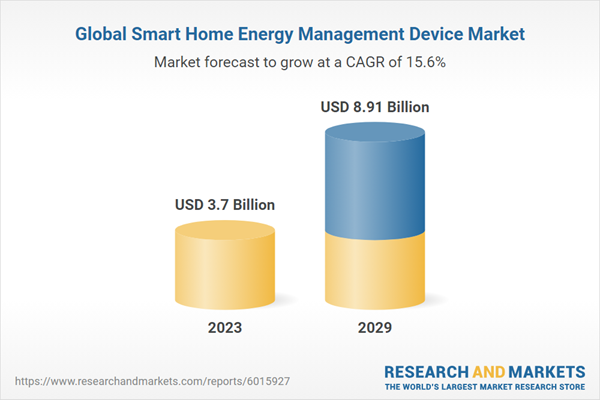
The Global Smart Home Energy Management Device Market is on the brink of a significant transformation, driven by escalating demands for energy-efficient solutions and the increasing adoption of smart home technologies.