Revolutionizing Medical Diagnostics with AI: A Leap Forward in Cytopathology

In a groundbreaking advancement for medical diagnostics, the integration of artificial intelligence (AI) and computer vision is set to transform the analysis of cytopathological images. As reported in a recent article by Nature, this innovation is particularly crucial for developing countries where the shortage of medical professionals makes manual image analysis a daunting challenge.

The Challenge of Manual Image Analysis

The interpretation of cytopathological images is a cornerstone of modern medical diagnosis. Yet, the sheer volume of image data makes it nearly impossible to manually identify and locate relevant cells. This issue is exacerbated in developing regions, where resources and trained personnel are scarce. The conventional methods of image segmentation demand extensive labeled data, which is often unavailable, leading to inefficiencies and inaccuracies.

AI and Computer Vision: A Promising Solution

AI, through the lens of computer vision, offers a promising solution. By employing semi-supervised semantic segmentation, AI systems can enhance the efficiency and accuracy of image analysis. This method leverages a combination of labeled and unlabeled data, reducing the dependency on extensive human labeling. As a result, AI can significantly improve the diagnostic process, providing a more economical and effective option for cytopathology image diagnosis.

Innovative Techniques and Developments

The article introduces a novel network architecture, RSAA (ResUNet-SE-ASPP-Attention), which integrates advanced modules like Squeeze and Excitation (SE), Atrous Spatial Pyramid Pooling (ASPP), and Attention mechanisms. This architecture is designed to address the challenges of segmenting cellular pathology images, particularly in the detection of osteosarcoma. The RSAA model, along with the semi-supervised learning method RU3S, demonstrates a marked improvement in segmentation accuracy, even with limited labeled data.

Impact on Developing Countries

For developing countries, where medical resources are limited, these advancements are game-changers. The ability to utilize unlabeled data effectively means that AI can alleviate the pressure on healthcare systems, enabling faster and more accurate cancer diagnoses. This development not only enhances the diagnostic workflow but also opens new avenues for timely and precise cancer detection.

Conclusion

As we stand on the brink of a new era in medical diagnostics, the integration of AI and computer vision in cytopathology is a testament to the potential of technology to overcome significant healthcare challenges. This innovation, as highlighted in the Nature article, underscores the importance of continued research and development in AI-assisted medical diagnostics.

More Articles

Getting licensed or staying ahead in your career can be a journey—but it doesn’t have to be overwhelming. Grab your favorite coffee or tea, take a moment to relax, and browse through our articles. Whether you’re just starting out or renewing your expertise, we’ve got tips, insights, and advice to keep you moving forward. Here’s to your success—one sip and one step at a time!

Florida Homeowners Finally Get a Break as Insurance Rates Begin to Drop

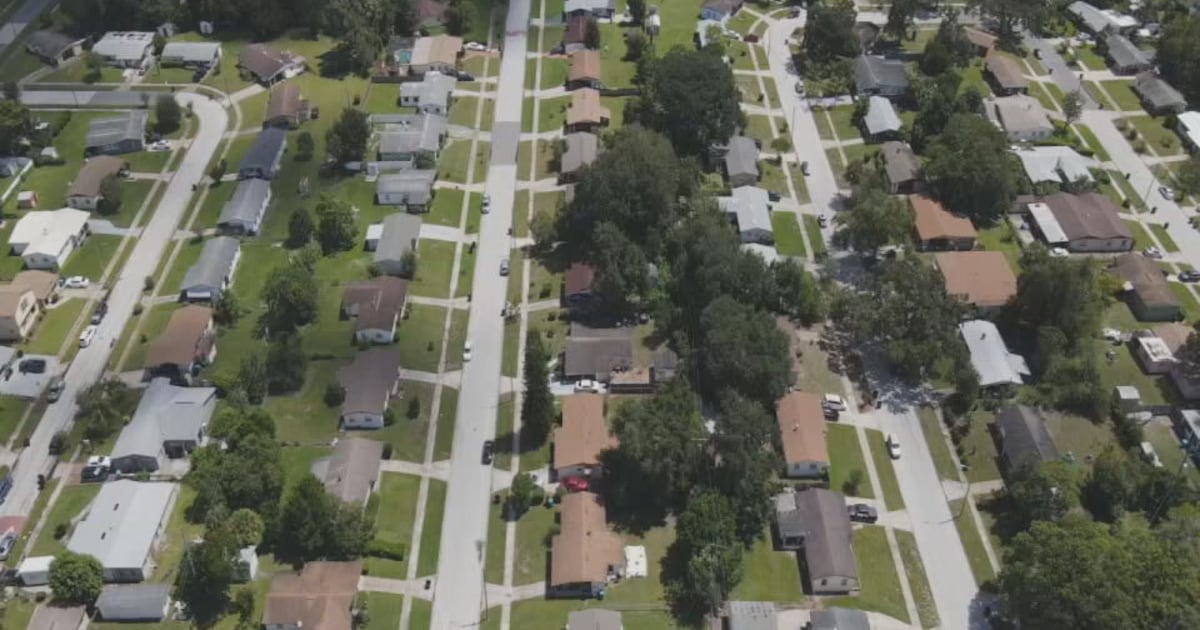
After years of soaring premiums and insurer instability, Florida’s property insurance market is finally turning a corner. Major carriers have filed 83 requests for rate decreases heading into 2026, with companies like Florida Peninsula and Patriot Select proposing cuts of 8.4% and 11.3%. Some homeowners may see relief as early as next month, signaling a long‑awaited shift toward market stability.

The Fix-and-Flip Comeback: Why 2026 Is Poised to Be a Breakout Year for Investors

Fix-and-flip investing is gearing up for one of its strongest years in a decade as 2026 approaches. With cheaper capital, more accessible funding, easing interest rates, and long-awaited increases in housing inventory, investors are finding the perfect environment to launch or scale renovation-based real estate businesses. Renovation continues to outpace new construction in cost and speed, and demand for move-in-ready homes remains high, making 2026 a powerful opportunity window for both new and experienced investors.

Falling Rents Today, Rising Pressures Tomorrow: A 2026 Rental Squeeze Is on the Horizon

After a short-lived period of relief in 2025, the U.S. rental market may be headed for a tighter, more expensive 2026. With construction starts dropping nearly 11% and completions plunging 42%, the surge of new apartments that helped lower rents is rapidly drying up. Rising costs, shrinking inventory, and a slowdown in new development point to a potential rental crunch that could leave renters facing heavier competition and higher prices across major markets next year.

The Biggest Opportunity in Real Estate Since 2008

The commercial real estate market is entering a rare reset that experts say mirrors the post‑2008 boom, creating a potential window for disciplined investors. With trillions in commercial debt coming due and property values dropping up to 40%, firms like AARE are positioning themselves to acquire assets below replacement cost—an advantage that could set the stage for significant long‑term growth.

Six for 2026: The Commercial Real Estate Shifts Already Reshaping the U.S.

Commercial real estate is entering a reinvention phase, with AI‑driven productivity, modernized office demand, experience‑focused retail, expanding industrial logistics, creative housing solutions, and sustainability‑centered design all accelerating nationwide. These six forces are shaping how investors, brokers, and future licensees will operate in a rapidly evolving U.S. market.

2026 Becomes the Turning Point: Innovation, Stability, and Upward Mobility Return

After years of economic uncertainty and cautious decision‑making, 2026 is shaping up to be the year professionals finally catch a break. AI is moving from buzzword to essential tool, capital markets are beginning to thaw, and hiring is picking up across real estate, mortgage, insurance, finance, and healthcare. With opportunity returning, many professionals are using this moment to upskill—pursuing new licenses, certifications, and cross‑industry expertise.