
Revolutionizing Medical Education with Extended Reality


In the ever-evolving landscape of medical education, a new player has emerged, promising to revolutionize the way future doctors are trained. The integration of eXtended Reality (XR) technologies, which encompass both Virtual Reality (VR) and Augmented Reality (AR), is reshaping the educational landscape by addressing the limitations of traditional methods.

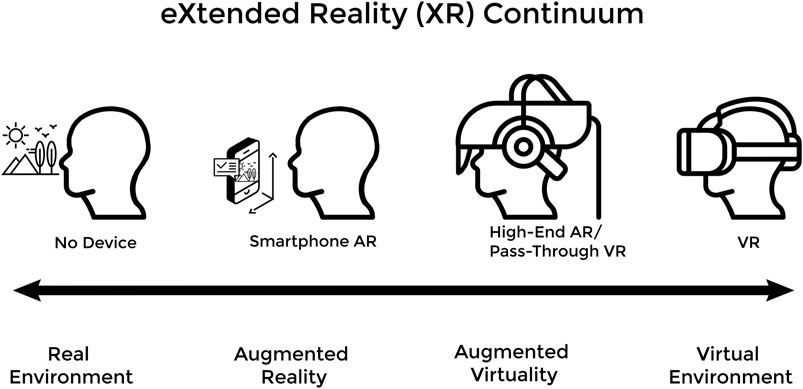
The xr continuum

Transforming Learning Experiences


XR technologies are bridging gaps in medical training by offering immersive learning experiences that enhance the understanding of complex 3D structures, improve empathetic communication skills, and refine surgical techniques. Traditional educational tools like cadavers and patient actors are often costly and limited in availability. XR offers a cost-effective alternative, allowing students to practice repeatedly in a safe, controlled environment.

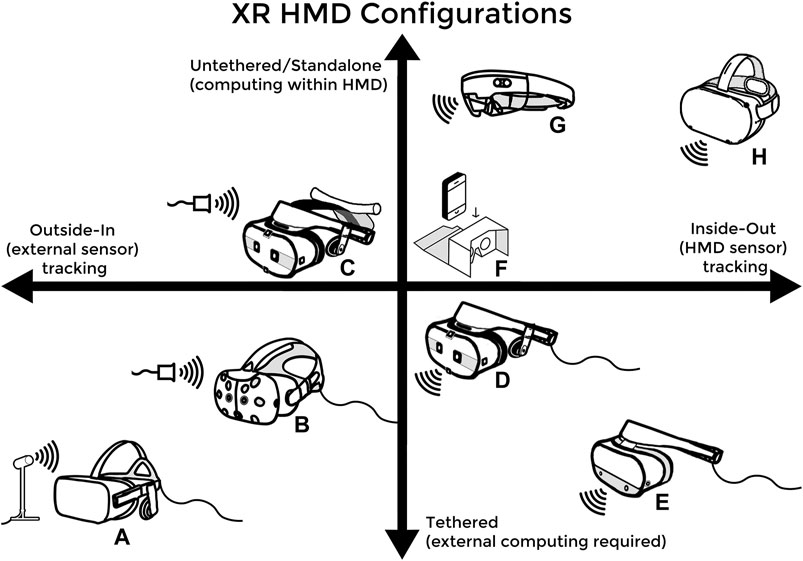
Xr device configurations

Adapting to a Post-Pandemic World


The COVID-19 pandemic has underscored the importance of virtual learning tools. Medical institutions that had invested in XR technologies found themselves better equipped to adapt to remote learning environments. This shift not only ensured continuity in education but also highlighted the potential of XR in providing accessible and engaging learning experiences outside traditional classrooms.

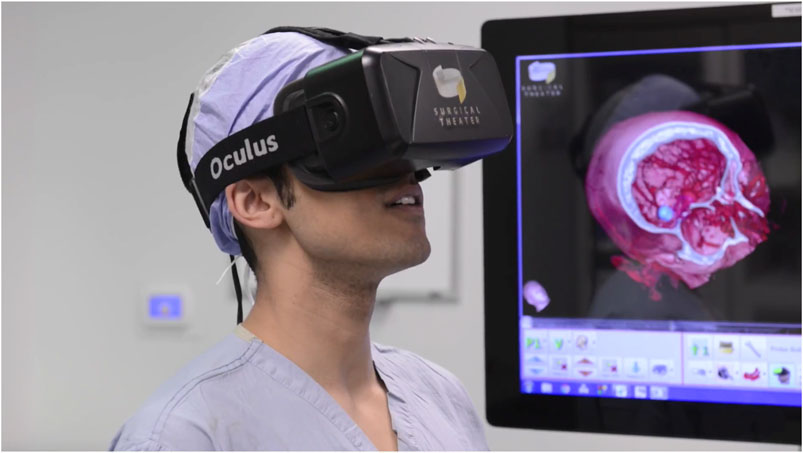
Surgical planning with xr

Challenges and Future Prospects


Despite its promise, the widespread adoption of XR in medical education faces challenges. Issues such as cybersickness, faculty resistance, and the need for robust evidence of educational superiority remain. However, as XR technology and its applications continue to evolve, these hurdles are expected to diminish. The future of medical education is poised to embrace these advancements, fostering a new generation of healthcare professionals equipped with cutting-edge skills.

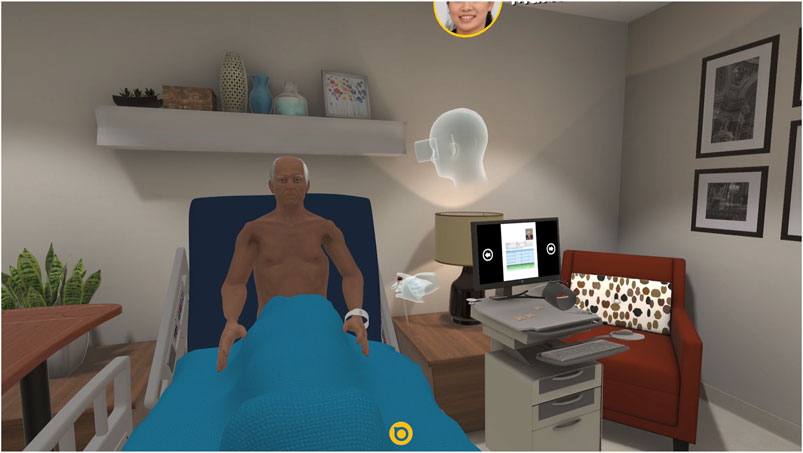
Virtual standardized patient simulation

Conclusion


As XR technologies continue to advance, their integration into medical education is not just a possibility but a necessity. By embracing these tools, medical schools can provide students with a more immersive, engaging, and effective learning experience, preparing them for the challenges of modern healthcare.

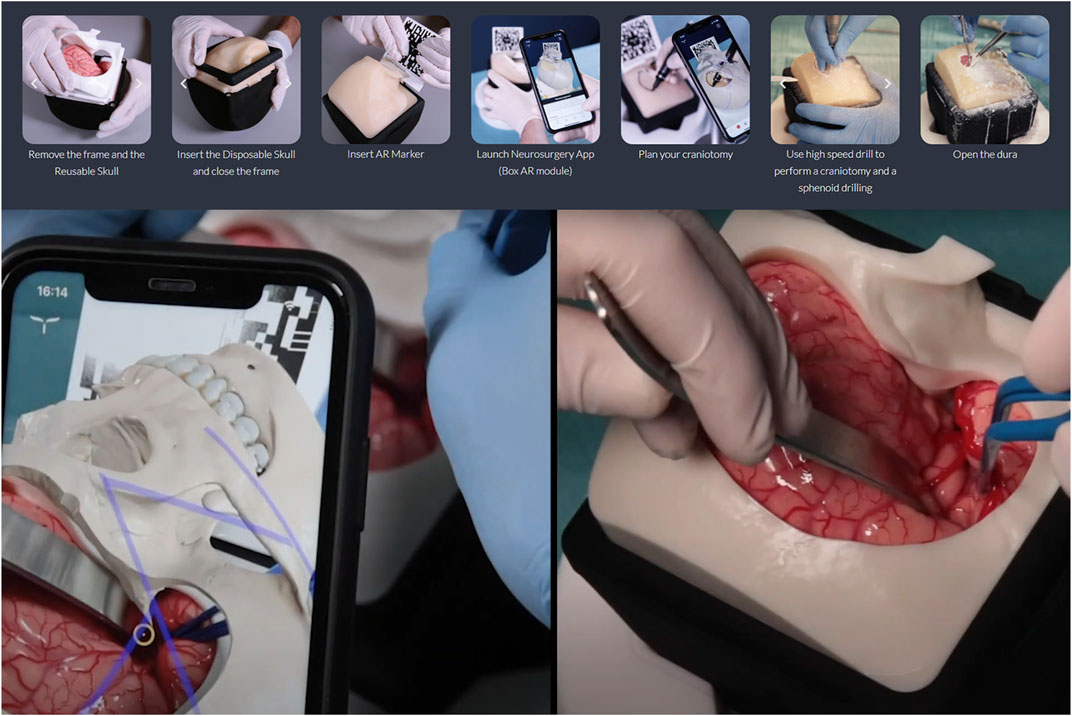
Surgical simulation with ar

More Articles

Getting licensed or staying ahead in your career can be a journey—but it doesn’t have to be overwhelming. Grab your favorite coffee or tea, take a moment to relax, and browse through our articles. Whether you’re just starting out or renewing your expertise, we’ve got tips, insights, and advice to keep you moving forward. Here’s to your success—one sip and one step at a time!

Beyond the Vocabulary Drill: Jonathan Goforth’s Real Estate Prep

Let’s face it—studying for the real estate exam feels like being force-fed a dictionary while simultaneously dissecting a Sudoku puzzle.

By |January 22, 2025|Categories: Article, Education, Real Estate|Tags: , |0 Comments

Mainstreaming Blockchain: A New Era of Finance

In a world where traditional finance is not just adopting crypto but being fundamentally rebuilt around it, Forbes reports on the seismic shifts reshaping the financial landscape.

By |January 22, 2025|Categories: Article, Finance, Technology|Tags: , |0 Comments

AI in Radiology: Balancing Innovation with Concerns

A recent analysis has shed light on the public's perception of artificial intelligence (AI) in radiology. While the majority of patients are supportive of AI's integration into this field, concerns about data privacy and job displacement remain prevalent.

By |January 21, 2025|Categories: Article, Healthcare, Technology|Tags: , |0 Comments

Predictive Analytics Tools Reshaping Business Landscape by 2025

Predictive analytics tools are not only becoming more sophisticated but also increasingly accessible to both IT professionals and business users alike.

Artificial Intelligence Revolutionizing Healthcare: A New Era of Efficiency and Patient Care

The global healthcare industry is on the brink of a transformative shift, as artificial intelligence (AI) technologies are poised to revolutionize patient care and operational efficiency.