Revolutionizing Medical Education with Extended Reality
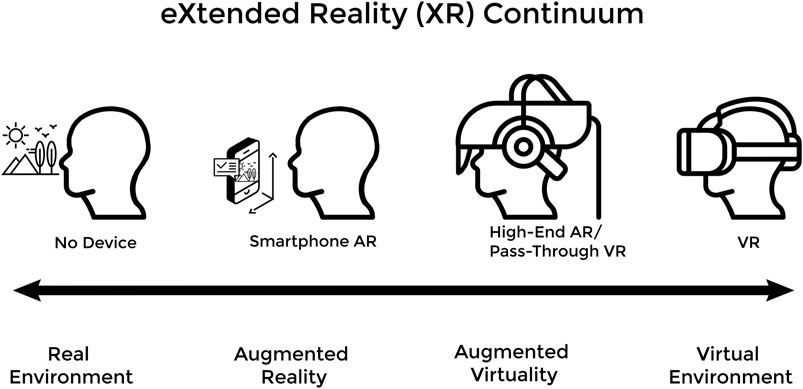
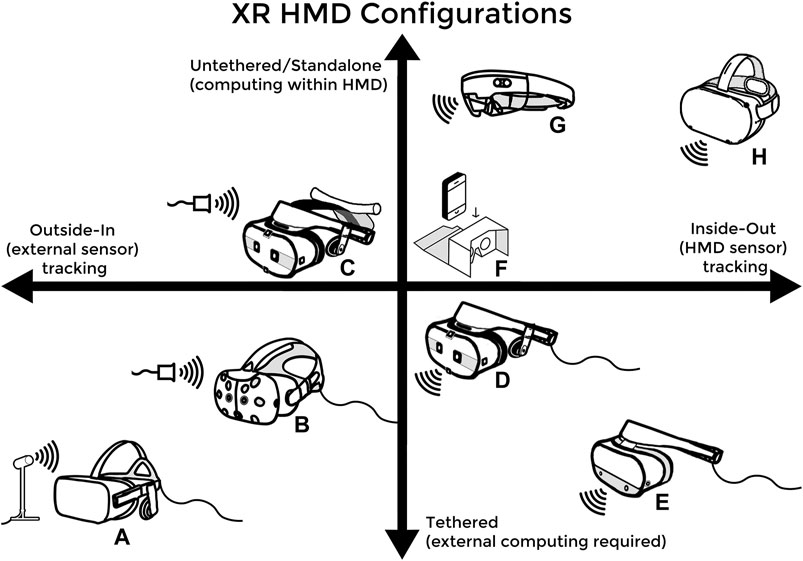
In the ever-evolving landscape of medical education, a new player has emerged, promising to revolutionize the way future doctors are trained. The integration of eXtended Reality (XR) technologies, which encompass both Virtual Reality (VR) and Augmented Reality (AR), is reshaping the educational landscape by addressing the limitations of traditional methods.
Transforming Learning Experiences
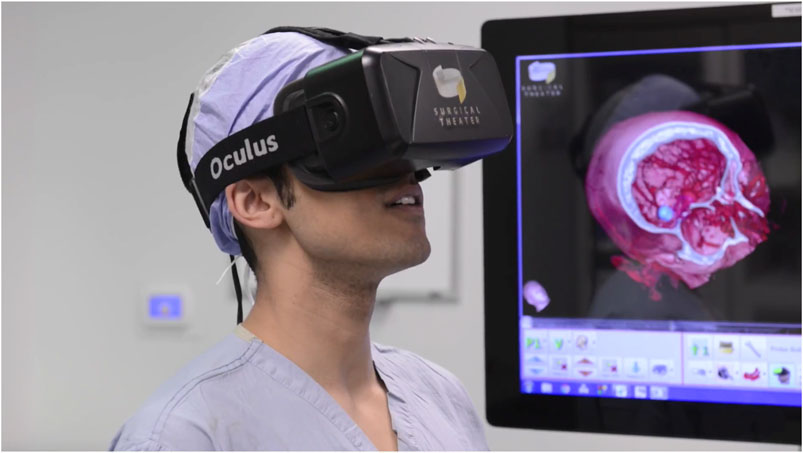
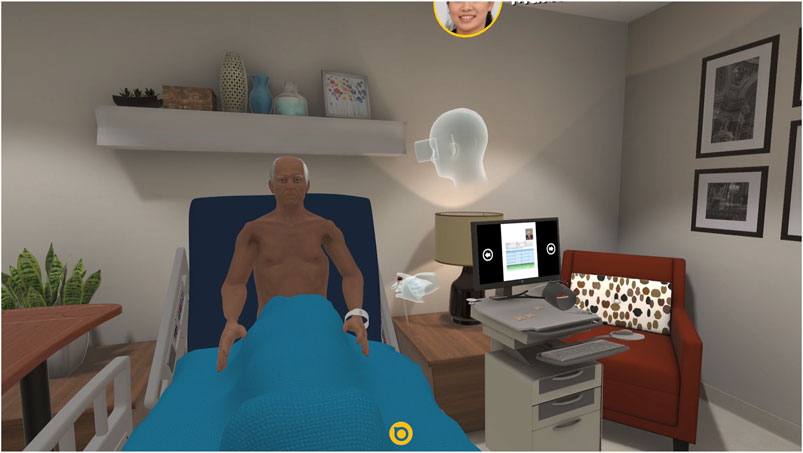
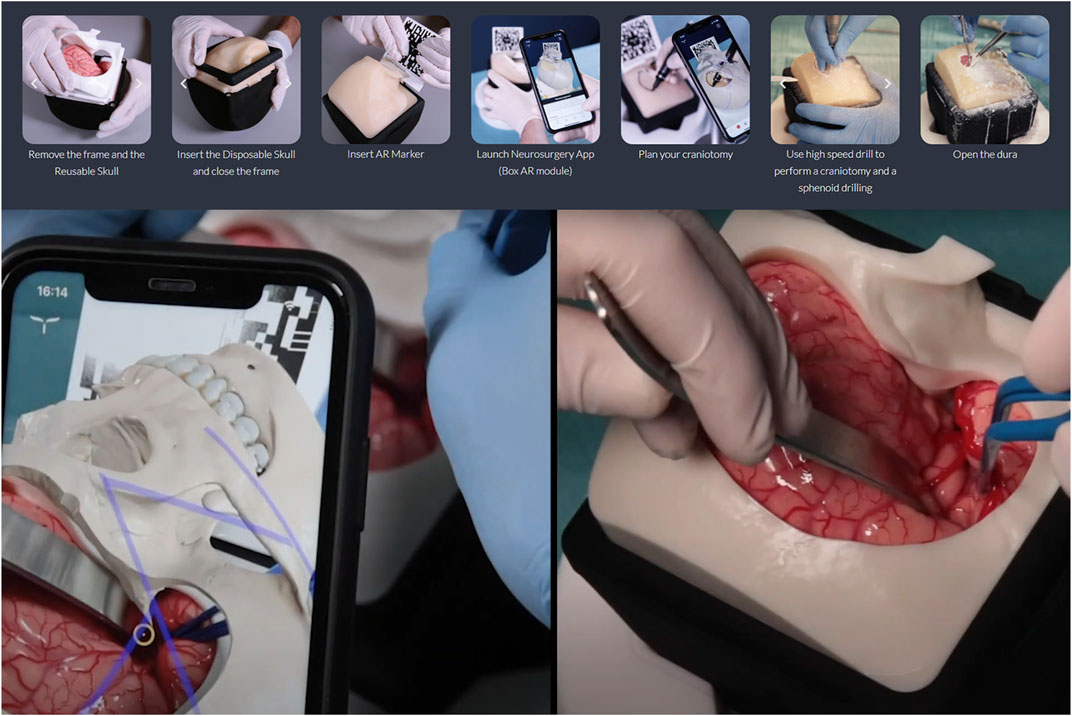
XR technologies are bridging gaps in medical training by offering immersive learning experiences that enhance the understanding of complex 3D structures, improve empathetic communication skills, and refine surgical techniques. Traditional educational tools like cadavers and patient actors are often costly and limited in availability. XR offers a cost-effective alternative, allowing students to practice repeatedly in a safe, controlled environment.
Adapting to a Post-Pandemic World
The COVID-19 pandemic has underscored the importance of virtual learning tools. Medical institutions that had invested in XR technologies found themselves better equipped to adapt to remote learning environments. This shift not only ensured continuity in education but also highlighted the potential of XR in providing accessible and engaging learning experiences outside traditional classrooms.
Challenges and Future Prospects
Despite its promise, the widespread adoption of XR in medical education faces challenges. Issues such as cybersickness, faculty resistance, and the need for robust evidence of educational superiority remain. However, as XR technology and its applications continue to evolve, these hurdles are expected to diminish. The future of medical education is poised to embrace these advancements, fostering a new generation of healthcare professionals equipped with cutting-edge skills.
Conclusion
As XR technologies continue to advance, their integration into medical education is not just a possibility but a necessity. By embracing these tools, medical schools can provide students with a more immersive, engaging, and effective learning experience, preparing them for the challenges of modern healthcare.
More Articles
Getting licensed or staying ahead in your career can be a journey—but it doesn’t have to be overwhelming. Grab your favorite coffee or tea, take a moment to relax, and browse through our articles. Whether you’re just starting out or renewing your expertise, we’ve got tips, insights, and advice to keep you moving forward. Here’s to your success—one sip and one step at a time!
AI's integration is set to usher in personalized treatment plans tailored to individual genetic profiles and lifestyles. Virtual health assistants will soon provide real-time, accurate medical advice, managing over 85% of customer interactions by 2025.
In the ever-evolving world of science, the potential to edit fetal genomes is no longer a distant dream but an emerging reality. Yet, as the boundaries of genomic medicine expand, the ethical discussions surrounding these advancements remain in their infancy.
While urban hospitals attract rural patients, rural healthcare providers see a decline in patient numbers leading to rising rural hospital bankruptcies. This dynamic affects rural hospital revenues and influences insurance reimbursement strategies, calling for urgent policy reforms to ensure rural hospitals benefit from the telemedicine boom.
As the clock ticks down to December 31, 2024, the future of telehealth services in the United States hangs in the balance. The looming deadline has healthcare providers, hospitals, and stakeholders on high alert.
Greece is witnessing a surge in digital health technologies, with telemedicine, wearable devices, and AI-powered tools leading the charge. These innovations are not only reshaping healthcare delivery but are also projected to boost the digital health market to a staggering $454.70 million by 2027.