Revolutionizing Medical Education with Extended Reality
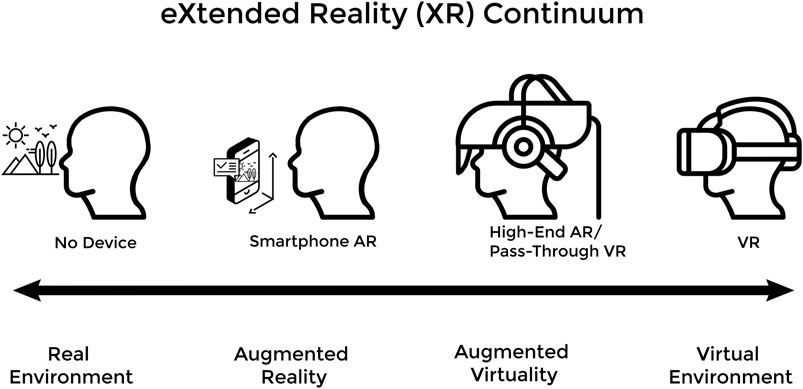
In the ever-evolving landscape of medical education, a new player has emerged, promising to revolutionize the way future doctors are trained. The integration of eXtended Reality (XR) technologies, which encompass both Virtual Reality (VR) and Augmented Reality (AR), is reshaping the educational landscape by addressing the limitations of traditional methods.
Transforming Learning Experiences
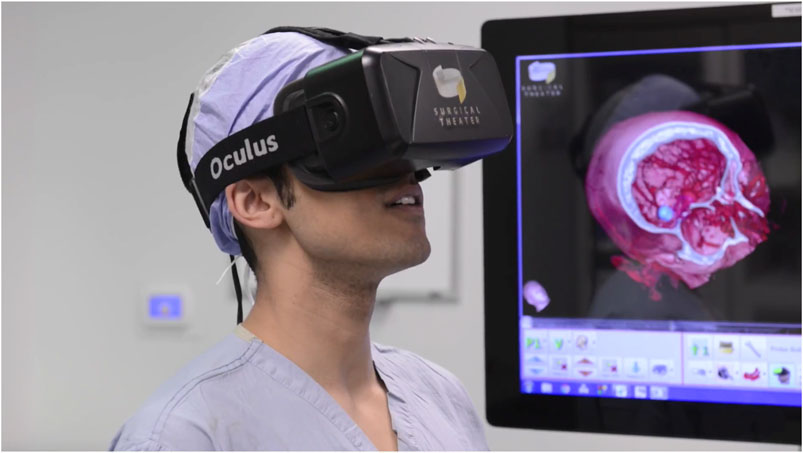
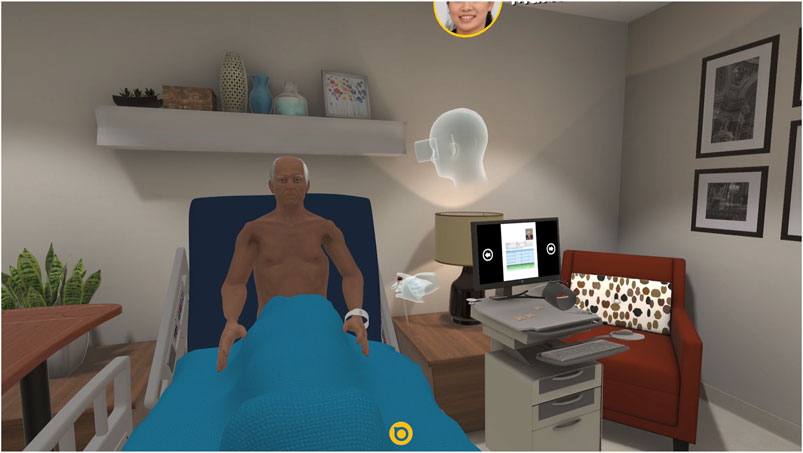
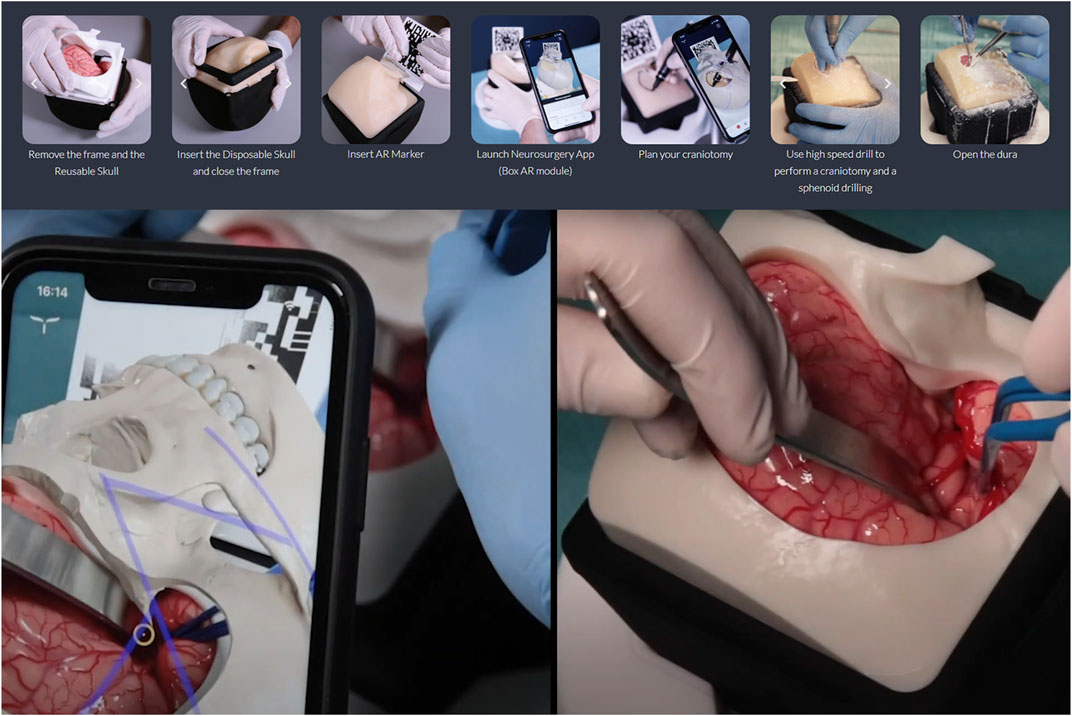
XR technologies are bridging gaps in medical training by offering immersive learning experiences that enhance the understanding of complex 3D structures, improve empathetic communication skills, and refine surgical techniques. Traditional educational tools like cadavers and patient actors are often costly and limited in availability. XR offers a cost-effective alternative, allowing students to practice repeatedly in a safe, controlled environment.
Adapting to a Post-Pandemic World
The COVID-19 pandemic has underscored the importance of virtual learning tools. Medical institutions that had invested in XR technologies found themselves better equipped to adapt to remote learning environments. This shift not only ensured continuity in education but also highlighted the potential of XR in providing accessible and engaging learning experiences outside traditional classrooms.
Challenges and Future Prospects
Despite its promise, the widespread adoption of XR in medical education faces challenges. Issues such as cybersickness, faculty resistance, and the need for robust evidence of educational superiority remain. However, as XR technology and its applications continue to evolve, these hurdles are expected to diminish. The future of medical education is poised to embrace these advancements, fostering a new generation of healthcare professionals equipped with cutting-edge skills.
Conclusion
As XR technologies continue to advance, their integration into medical education is not just a possibility but a necessity. By embracing these tools, medical schools can provide students with a more immersive, engaging, and effective learning experience, preparing them for the challenges of modern healthcare.
More Articles
Getting licensed or staying ahead in your career can be a journey—but it doesn’t have to be overwhelming. Grab your favorite coffee or tea, take a moment to relax, and browse through our articles. Whether you’re just starting out or renewing your expertise, we’ve got tips, insights, and advice to keep you moving forward. Here’s to your success—one sip and one step at a time!
New data from the U.S. Bureau of Labor Statistics reveals major pay gaps across industries as we head into 2025. While top roles in finance, tech, and healthcare exceed $130,000 to $160,000 a year, other professions lag far behind—even when education levels are similar. Job titles, location, experience, and specialized skills are now some of the biggest factors shaping how much you earn. If you’ve been wondering whether your paycheck is keeping up with the market, this breakdown shows exactly where you stand and what it takes to boost your earning power.
A cooling housing market is giving buyers something they haven’t had in years: room to breathe. With slower sales, more inventory, and less pressure to make snap decisions, homebuyer regret has noticeably declined in 2025. Buyers are feeling more confident thanks to fewer bidding wars, reduced overpaying, and stronger financial preparation—though maintenance surprises still pose challenges. This shift toward a true buyer’s market offers real estate professionals a prime opportunity to guide clients with clarity and confidence.
This week’s commercial real estate roundup unpacks the lingering economic fallout from the 43‑day federal shutdown, new pressures on major office markets, and the rise of STEM‑driven cities reshaping demand nationwide. With fresh Q3 data from Altus showing stronger‑than‑expected transaction momentum, plus updates on Chicago’s valuation slide and national mortgage policy debates, this edition delivers the essential trends CRE, mortgage, finance, and appraisal professionals need to stay ahead.
ATTOM has been named Inman’s 2025 Best of Proptech winner, earning top recognition for its leadership in data and intelligence platforms. With advancements like Snowflake integration, ATTOM Nexus, and enhanced parcel‑centric analytics, the company is shaping the future of AI‑driven real estate decision‑making. This win highlights ATTOM’s growing role as a trusted data backbone for real estate, mortgage, insurance, and investment professionals nationwide.
A new report reveals that Florida’s property insurance market is far from recovering. Despite political claims of stabilization, homeowners are seeing premiums up 54% since 2019, widespread insurer instability, and some companies re‑entering the market under rebranded identities. With high rates of unpaid claims, delayed payouts, and policy non‑renewals, lawmakers are now pushing for transparency and oversight. For homeowners and industry professionals alike, understanding these risks is critical as Florida’s insurance challenges continue to deepen.
Despite new insurers entering the state and lawmakers touting market improvements, a new report reveals Florida’s property insurance system is still plagued by high premiums, weak oversight, and companies with troubled histories. Rates have climbed 54% since 2019, nearly one‑fifth of homeowners are now uninsured, and Florida leads the nation in unpaid and delayed claims. Critics warn that the state’s strategy of shifting risk to undercapitalized private companies may set the stage for another crisis — leaving homeowners, buyers, and real estate professionals navigating a market that’s far from stable.