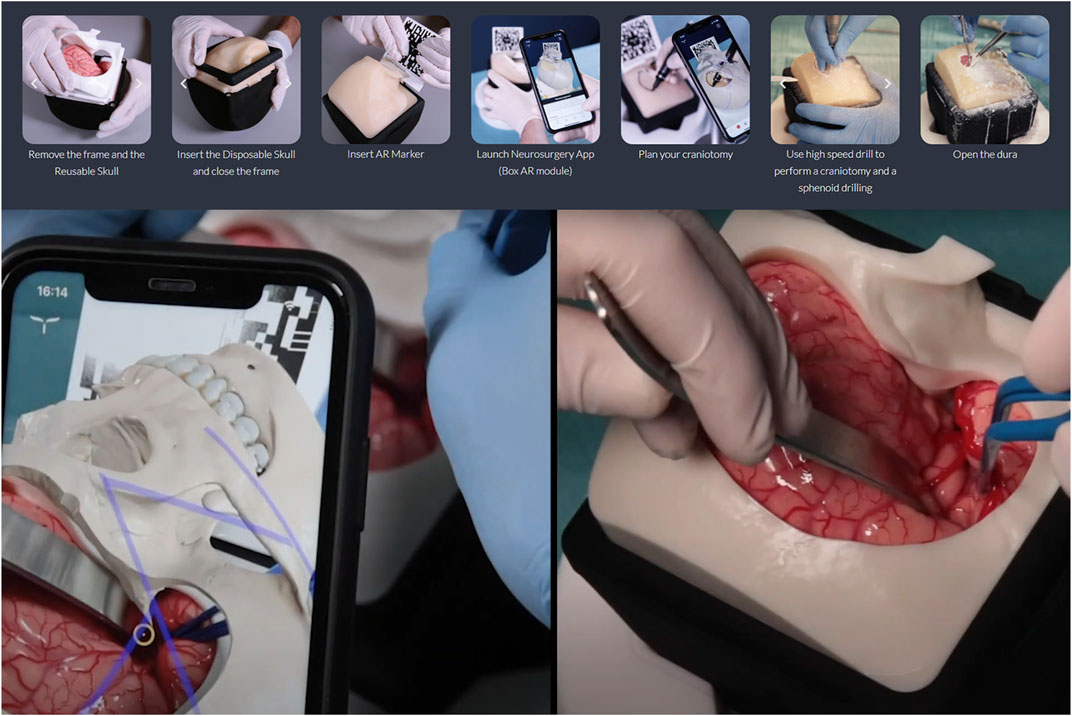
Revolutionizing Medical Education with Extended Reality
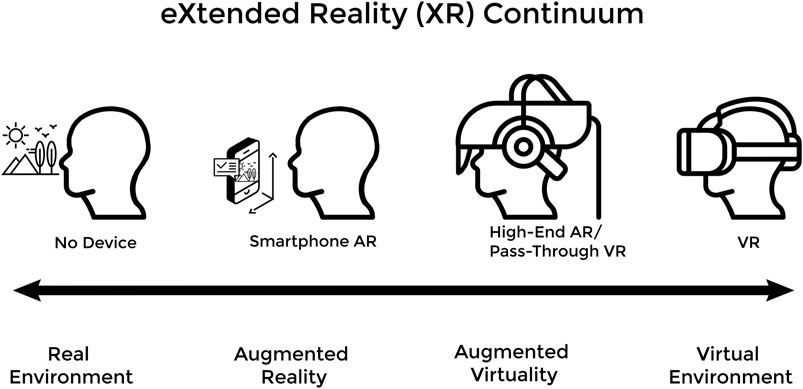
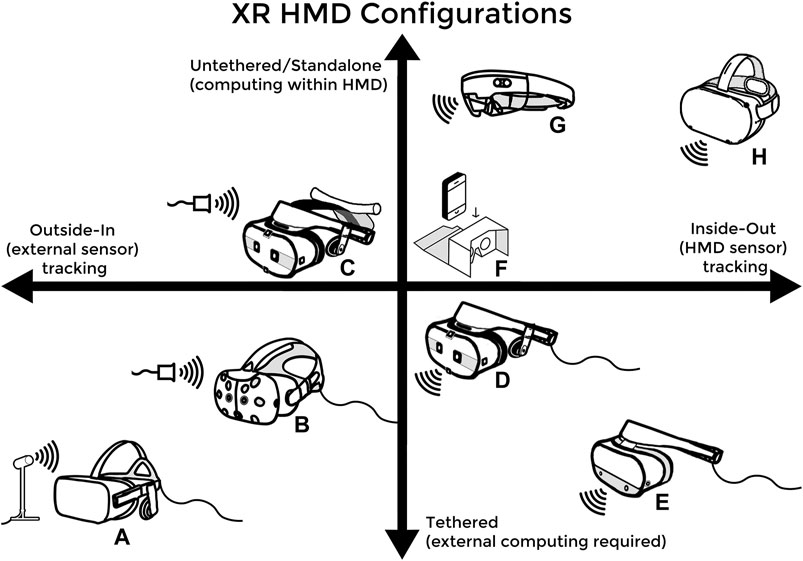
In the ever-evolving landscape of medical education, a new player has emerged, promising to revolutionize the way future doctors are trained. The integration of eXtended Reality (XR) technologies, which encompass both Virtual Reality (VR) and Augmented Reality (AR), is reshaping the educational landscape by addressing the limitations of traditional methods.
Transforming Learning Experiences
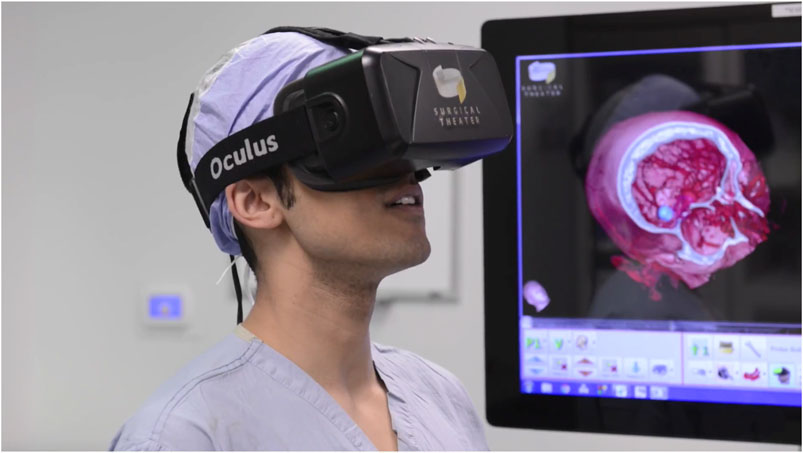
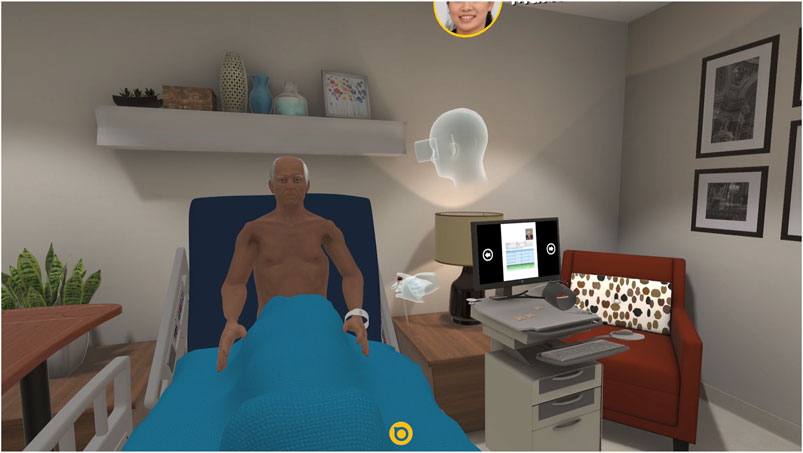
XR technologies are bridging gaps in medical training by offering immersive learning experiences that enhance the understanding of complex 3D structures, improve empathetic communication skills, and refine surgical techniques. Traditional educational tools like cadavers and patient actors are often costly and limited in availability. XR offers a cost-effective alternative, allowing students to practice repeatedly in a safe, controlled environment.
Adapting to a Post-Pandemic World
The COVID-19 pandemic has underscored the importance of virtual learning tools. Medical institutions that had invested in XR technologies found themselves better equipped to adapt to remote learning environments. This shift not only ensured continuity in education but also highlighted the potential of XR in providing accessible and engaging learning experiences outside traditional classrooms.
Challenges and Future Prospects
Despite its promise, the widespread adoption of XR in medical education faces challenges. Issues such as cybersickness, faculty resistance, and the need for robust evidence of educational superiority remain. However, as XR technology and its applications continue to evolve, these hurdles are expected to diminish. The future of medical education is poised to embrace these advancements, fostering a new generation of healthcare professionals equipped with cutting-edge skills.
Conclusion
As XR technologies continue to advance, their integration into medical education is not just a possibility but a necessity. By embracing these tools, medical schools can provide students with a more immersive, engaging, and effective learning experience, preparing them for the challenges of modern healthcare.
More Articles
Getting licensed or staying ahead in your career can be a journey—but it doesn’t have to be overwhelming. Grab your favorite coffee or tea, take a moment to relax, and browse through our articles. Whether you’re just starting out or renewing your expertise, we’ve got tips, insights, and advice to keep you moving forward. Here’s to your success—one sip and one step at a time!
The Securities and Exchange Commission (SEC), through its Division of Examinations, has unveiled its 2025 examination priorities, reflecting a comprehensive focus on areas such as private fund advisers, Regulation Best Interest (Reg BI) compliance, and cybersecurity.
Realtor.com has taken a proactive stance by providing a comprehensive toolkit designed to empower agents with the knowledge and resources necessary to navigate fair housing practices effectively.
The University of North Carolina at Chapel Hill continues to solidify its reputation for excellence in graduate education, as evidenced by the recent U.S. News & World Report's 2025 "Best Graduate Schools" list.
As we venture further into 2025, the landscape of shopping continues to evolve with a fascinating dynamic between online and in-store experiences. According to a recent article from Business.com, the retail sector is witnessing a significant shift in consumer preferences, with approximately 59% of consumers favoring online shopping while 41% still prefer traditional in-store purchases.
On December 28, 2024, the Centers for Medicare & Medicaid Services (CMS) enacted a long-anticipated final rule that significantly revises laboratory personnel requirements under Subpart M of the Clinical Laboratory Improvement Amendments (CLIA). This marks the first major overhaul since 1992, impacting all clinical laboratory personnel engaged in moderate- or high-complexity laboratory tests.