Revolutionizing Medical Training with Virtual Reality

In the rapidly evolving field of medical education, a groundbreaking study has emerged, shedding light on the transformative potential of immersive technologies. Published on September 9, 2024, in BMC Medical Education, this research explores the role of extended reality (XR) and virtual reality (VR) in training young healthcare professionals to manage medical emergencies more effectively.
Addressing a Critical Gap Newly minted healthcare professionals often find themselves ill-prepared for the high-stakes environment of emergency medicine. This lack of practical experience can lead to feelings of inadequacy and, more critically, adverse outcomes for patients. The study, involving 529 senior medical students, delves into how XR/VR technologies can bridge this gap by offering realistic, immersive training scenarios.
High Acceptance and Minimal Discomfort The findings reveal a high level of acceptance and engagement among students using XR/VR for emergency medical training. Importantly, incidences of simulation sickness, a common concern with VR, were minimal. The study also noted that the cost of head-mounted displays did not significantly impact the learning experience, making the technology accessible and effective.
Implications for Medical Education The implications of this study are profound. As the medical field continues to embrace technological advancements, XR/VR could become a staple in medical curricula, equipping future physicians with the skills necessary to handle complex emergency scenarios. This aligns with previous insights, such as those from Wei S. and McEvoy MD et al., highlighting the need for enhanced training methods in emergency medicine.
Looking Ahead While the study underscores the potential of XR/VR in medical education, it also calls for further research to fully harness these technologies. The integration of XR/VR into traditional medical training could represent a paradigm shift, with benefits extending beyond emergency medicine.

Further Exploration

For more insights into this transformative study, visit the journal homepage or explore the open access information.

More Articles

Getting licensed or staying ahead in your career can be a journey—but it doesn’t have to be overwhelming. Grab your favorite coffee or tea, take a moment to relax, and browse through our articles. Whether you’re just starting out or renewing your expertise, we’ve got tips, insights, and advice to keep you moving forward. Here’s to your success—one sip and one step at a time!

AI in Medical Diagnosis: Revolutionizing Healthcare Standards

"AI and machine learning are emerging as powerful technologies to address this issue, improving the accuracy of medical diagnosis and revolutionizing healthcare with their myriad applications."

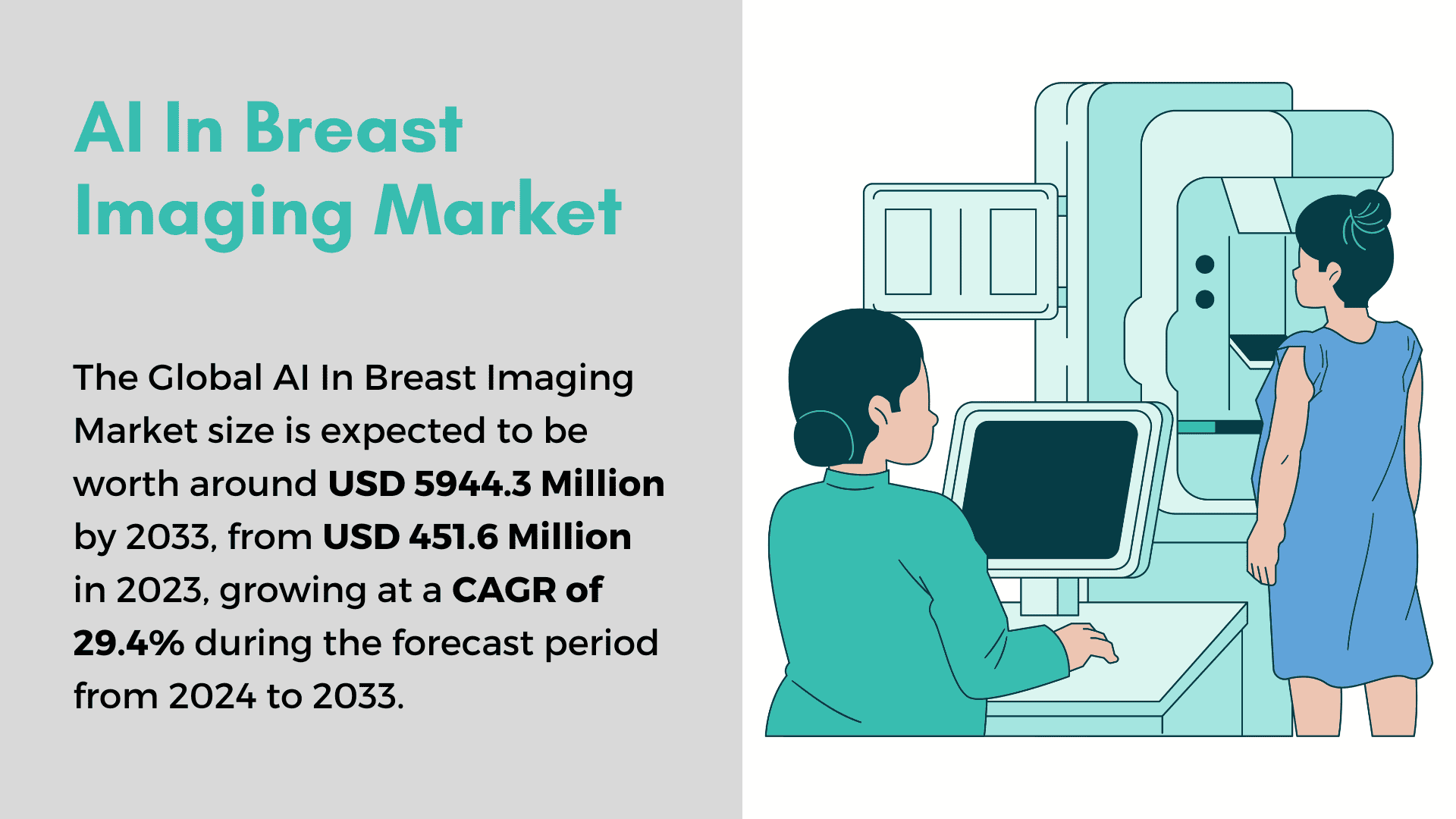
AI in Breast Imaging Market Set for Explosive Growth

The global AI in breast imaging market is on a remarkable growth trajectory, projected to swell from USD 451.6 million in 2023 to an impressive USD 5944.3 million by 2033. This represents a compound annual growth rate (CAGR) of 29.4%, primarily driven by cutting-edge advancements in AI technologies that significantly enhance diagnostic accuracy, facilitate early detection, and boost healthcare efficiency.

Virtual Real Estate: Navigating Investments in Metaverse Platforms

Virtual real estate in metaverses is becoming a focal point for investors worldwide, with digital plots of land mirroring traditional real estate value based on location, size, and platform popularity.

The Transformative Power of AI in In-Vitro Diagnostics

Artificial intelligence (AI) and machine learning are at the forefront of revolutionizing in-vitro diagnostic (IVD) tools, redefining diagnostics and enhancing healthcare outcomes on multiple fronts.

The Future of Life Sciences: A Vision for 2030

As we edge closer to 2030, the life sciences industry stands on the threshold of transformative changes. With a global valuation exceeding $2 trillion, the sector is poised for significant growth, driven by technological advancements and an aging population.

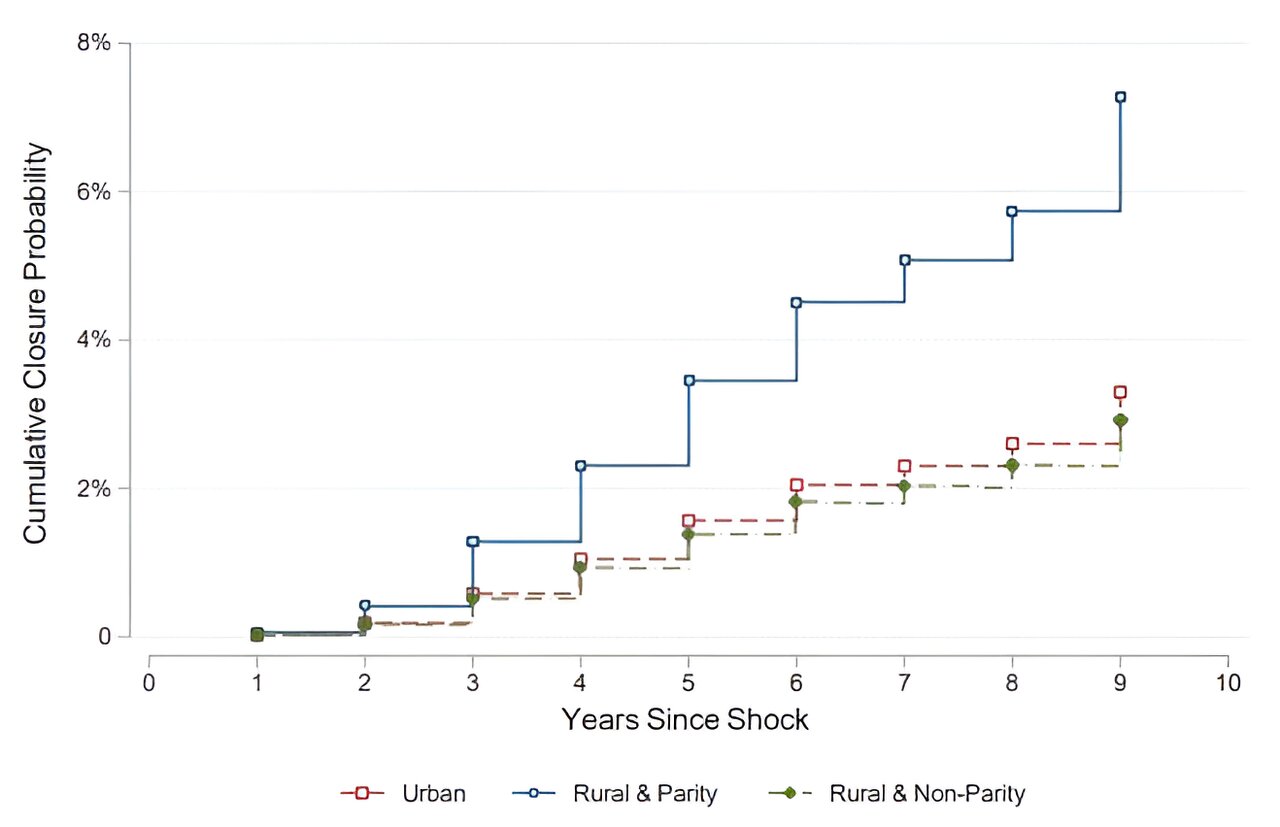
Telehealth: A Boon for Patients, A Challenge for Rural Hospitals

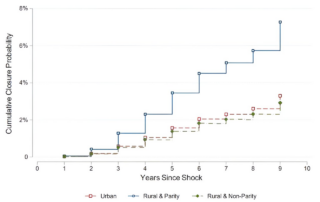
The advent of telehealth has revolutionized the way patients, particularly those in rural areas, access health care. By offering remote consultations and follow-up care, telehealth provides a convenient alternative to traveling long distances to urban hospitals. However, this technological advancement brings with it a set of challenges that could reshape the rural health care landscape.

By |December 20, 2024|Categories: Article, Health/Medicine, Technology|Tags: , |0 Comments