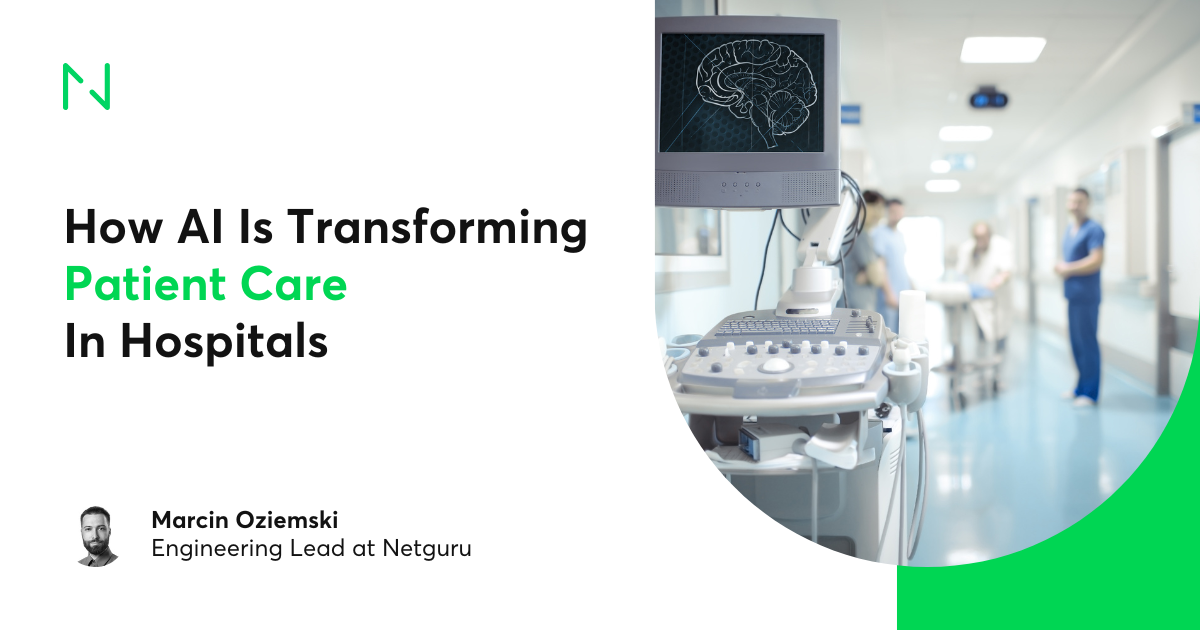
In a groundbreaking exploration of artificial intelligence’s (AI) transformative potential, a recent article published by Frontiers delves into how AI is reshaping the landscape of neurological care, particularly in emergency settings.
The Promise of AI in Neurology
AI technologies are being harnessed to revolutionize the diagnosis and management of neurological disorders. By integrating AI into various stages of patient care—from imaging diagnostics to personalized treatment plans—healthcare providers are witnessing a new era of medical innovation. According to the article, AI’s role in diagnostic imaging is particularly noteworthy, offering enhanced accuracy and speed in identifying conditions like stroke and traumatic brain injury.
Advancements and Challenges
The article highlights recent advancements in AI applications within neurology, underscoring the potential for improved patient outcomes. However, the integration of AI into clinical practice is not without challenges. Ethical considerations, such as data privacy and algorithmic bias, pose significant hurdles. Moreover, practical barriers, including the need for infrastructure investment and clinician training, must be addressed to fully realize AI’s potential.
Future Directions
Looking ahead, the article outlines prospective research areas and emerging trends in AI-assisted neurology. It suggests a focus on developing multimodal AI frameworks that combine imaging, genetic information, and clinical biomarkers for more comprehensive diagnoses. Additionally, the integration of AI with wearable devices and telemedicine platforms could offer continuous monitoring and real-time alerts, enhancing patient care.
Recommendations for Clinical Practice
To facilitate the adoption of AI technologies in neurology, the article recommends several strategies:
Investing in infrastructure
Improving data quality and diversity
Fostering interdisciplinary collaboration
Ensuring ethical and regulatory compliance
Supporting ongoing research and development
This comprehensive review underscores AI’s potential to revolutionize neurological care, offering new hope for patients while emphasizing the need for responsible and equitable implementation.
More Articles
Getting licensed or staying ahead in your career can be a journey—but it doesn’t have to be overwhelming. Grab your favorite coffee or tea, take a moment to relax, and browse through our articles. Whether you’re just starting out or renewing your expertise, we’ve got tips, insights, and advice to keep you moving forward. Here’s to your success—one sip and one step at a time!
"AI tools excel at analyzing extensive patient data, from health history to lifestyle choices, allowing healthcare practitioners to create highly customized treatment plans for improved outcomes."
The financial sector is bracing for a wave of legal challenges, as evidenced by JPMorgan Chase's threat of litigation against the Consumer Financial Protection Bureau (CFPB).
AI stands as a transformative force in the healthcare industry, facilitating diagnostic precision, patient-centered care, and efficient data management.
DeFi is poised to revolutionize financial inclusion by extending services to those previously excluded from traditional banking systems. By eliminating identification and geographical barriers, DeFi empowers individuals in underserved regions to engage in saving, borrowing, and investing.
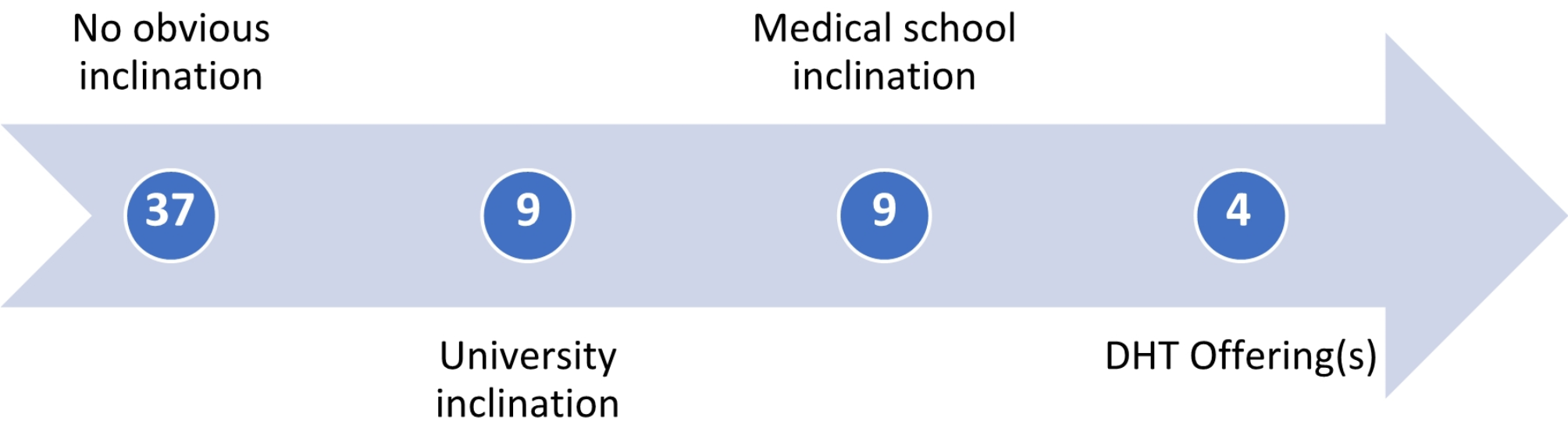
As the world of medicine continues to embrace the digital revolution, a recent study highlights a pressing issue: top-ranked medical schools are not adequately preparing future physicians to harness the power of Digital Health Technology (DHT).