Revolutionizing Precision Medicine: AI’s Role in Diabetes and Chronic Disease Management


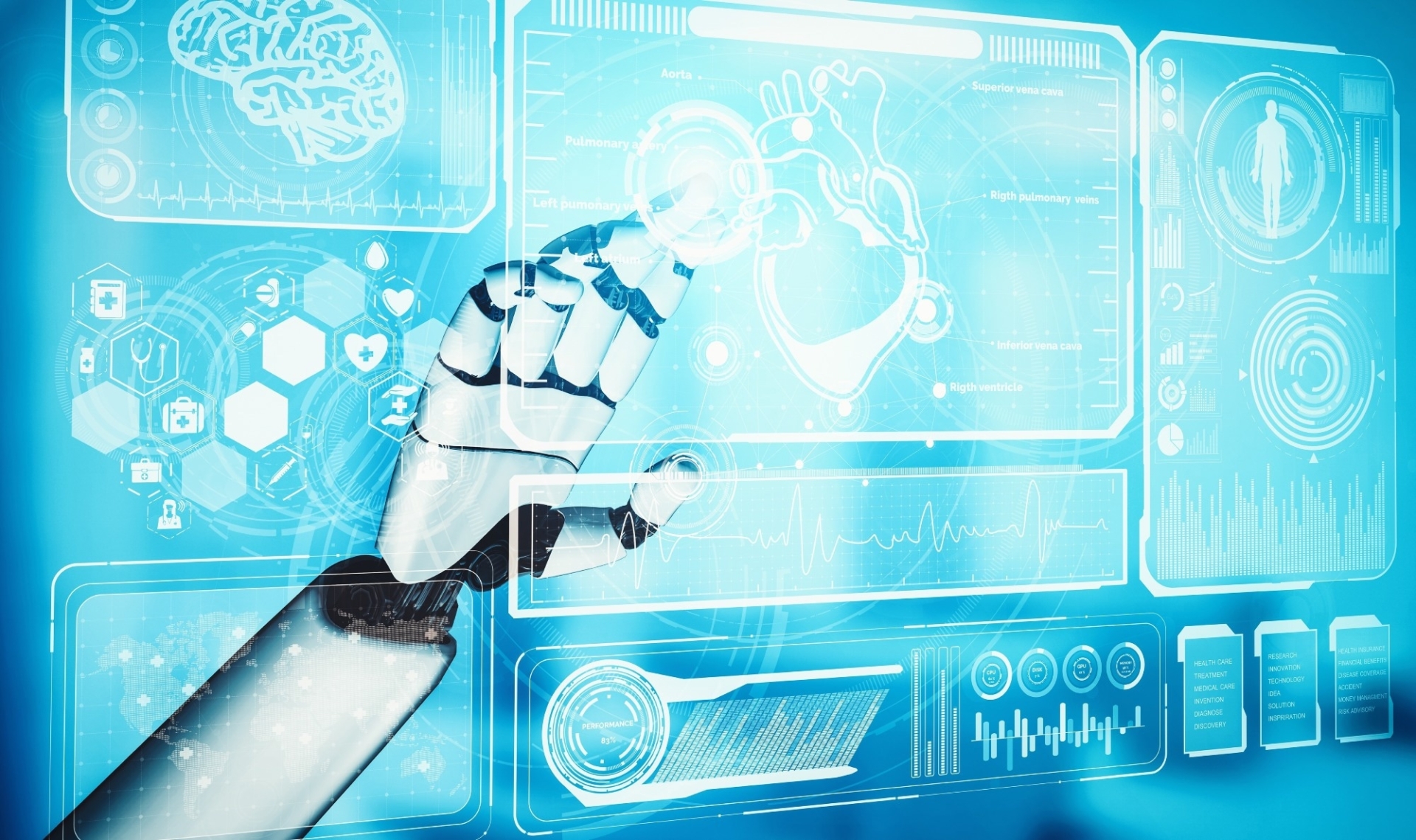
In an era where data reigns supreme, the integration of artificial intelligence (AI) and machine learning (ML) into the realm of precision medicine is not just a possibility but a burgeoning reality. This transformative journey was the focal point of a recent workshop organized by the National Institutes of Health (NIH), which sought to bridge the gap between biomedical researchers and AI/ML experts. The gathering aimed to explore the immense potential AI holds in revolutionizing the treatment and management of diabetes and other chronic diseases.

Precision Medicine’s Evolving Landscape
The workshop underscored the significant strides AI/ML has made in biomedicine. From enhancing biomarker development to improving diagnostics, AI is paving the way for more personalized and effective healthcare solutions. Recent advancements in generative AI and Large Language Models (LLMs) promise to further revolutionize this field, offering new avenues for research and application.

Key Discussions and Objectives
The event was a melting pot of ideas, with discussions centered on the unique opportunities AI presents in precision medicine. Participants delved into the current status of AI-based precision medicine for diabetes, identifying community needs and gaps. The workshop also highlighted how NIH and the National Institute of Diabetes and Digestive and Kidney Diseases (NIDDK) data science programs can address these gaps.

Distinguished Participants and Organizers
The organizing committee comprised notable figures from academia and the NIH, including Marcela Brissova from Vanderbilt University and Jeffrey Grethe from the University of California, San Diego. Their expertise and insights were instrumental in steering the workshop’s discussions.

Pre-Workshop Speaker Series
To set the stage for the main event, a pre-workshop speaker series was held. The first session, The Bio-Behavioral Dimensions of Diabetes Heterogeneity, featured Dr. Yao Qin and Dr. Ashu Sabharwal, who shared their insights on data-driven machine learning and bio-behavioral pathways in diabetes.

The second session, Advances in AI and Applications in Biomedicine, showcased Dr. James Zou and Dr. Eran Halperin, who explored AI agents in biomedicine and the challenges and opportunities across data modalities in medicine.

Event Logistics and Participation
Hosted at the Neuroscience Center Building in Rockville, MD, the workshop offered both in-person and virtual participation options. This hybrid approach ensured a broad spectrum of engagement from the scientific community.

For those interested in revisiting the event, recordings of the sessions are available: Day 1 Webinar and Day 2 Webinar.

Conclusion
As AI continues to evolve, its integration into precision medicine promises to unlock new potential in the treatment of chronic diseases. The NIH workshop was a testament to the collaborative efforts needed to harness this potential, paving the way for a future where healthcare is more personalized, predictive, and precise.

More Articles

Getting licensed or staying ahead in your career can be a journey—but it doesn’t have to be overwhelming. Grab your favorite coffee or tea, take a moment to relax, and browse through our articles. Whether you’re just starting out or renewing your expertise, we’ve got tips, insights, and advice to keep you moving forward. Here’s to your success—one sip and one step at a time!

2025 Commercial Real Estate Outlook: Navigating a New Era

The commercial real estate landscape is on the brink of transformation as leaders seek to navigate the challenges of recent years and position their organizations for future opportunities.

The Emerging Mental Health Crisis Among Healthcare Workers During the COVID-19 Pandemic

The pandemic has ushered in a wave of mental health challenges that affect healthcare workers profoundly. From the onset of COVID-19, these professionals have been at the forefront, facing immense pressure, long hours, and the constant fear of exposure.

By |December 18, 2024|Categories: Article, Healthcare Workers, Mental Health|Tags: , |0 Comments

Ethical Concerns of Large Language Models in Healthcare

Exploring the dual nature of LLMs offers substantial benefits in healthcare but also raises significant ethical concerns, underscoring the need for well-defined guidelines and human oversight.

The Role of Wearable Devices in Chronic Disease Monitoring and Patient Care: A Comprehensive Review

Wearable devices have become integral in managing chronic conditions by providing continuous health data, empowering patients and healthcare professionals with insights that were previously unattainable.

AI Training Mandates: Navigating Legal Waters in Dentistry

The integration of artificial intelligence (AI) into dental practices is more than a technological trend; it represents a seismic shift in the industry. This transformation is reshaping skill sets and prompting a thorough examination of legal and ethical implications.

By |December 17, 2024|Categories: Article, Legal, Technology|Tags: , |0 Comments

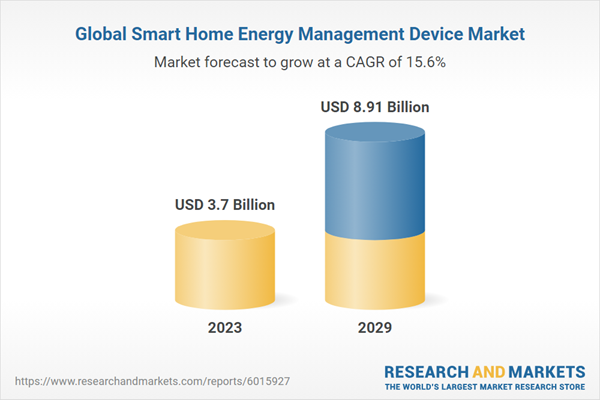
Smart Home Energy Management Devices: A Market Poised for Growth

The Global Smart Home Energy Management Device Market is on the brink of a significant transformation, driven by escalating demands for energy-efficient solutions and the increasing adoption of smart home technologies.