Revolutionizing Precision Medicine: AI’s Role in Diabetes and Chronic Disease Management


In an era where data reigns supreme, the integration of artificial intelligence (AI) and machine learning (ML) into the realm of precision medicine is not just a possibility but a burgeoning reality. This transformative journey was the focal point of a recent workshop organized by the National Institutes of Health (NIH), which sought to bridge the gap between biomedical researchers and AI/ML experts. The gathering aimed to explore the immense potential AI holds in revolutionizing the treatment and management of diabetes and other chronic diseases.

Precision Medicine’s Evolving Landscape
The workshop underscored the significant strides AI/ML has made in biomedicine. From enhancing biomarker development to improving diagnostics, AI is paving the way for more personalized and effective healthcare solutions. Recent advancements in generative AI and Large Language Models (LLMs) promise to further revolutionize this field, offering new avenues for research and application.

Key Discussions and Objectives
The event was a melting pot of ideas, with discussions centered on the unique opportunities AI presents in precision medicine. Participants delved into the current status of AI-based precision medicine for diabetes, identifying community needs and gaps. The workshop also highlighted how NIH and the National Institute of Diabetes and Digestive and Kidney Diseases (NIDDK) data science programs can address these gaps.

Distinguished Participants and Organizers
The organizing committee comprised notable figures from academia and the NIH, including Marcela Brissova from Vanderbilt University and Jeffrey Grethe from the University of California, San Diego. Their expertise and insights were instrumental in steering the workshop’s discussions.

Pre-Workshop Speaker Series
To set the stage for the main event, a pre-workshop speaker series was held. The first session, The Bio-Behavioral Dimensions of Diabetes Heterogeneity, featured Dr. Yao Qin and Dr. Ashu Sabharwal, who shared their insights on data-driven machine learning and bio-behavioral pathways in diabetes.

The second session, Advances in AI and Applications in Biomedicine, showcased Dr. James Zou and Dr. Eran Halperin, who explored AI agents in biomedicine and the challenges and opportunities across data modalities in medicine.

Event Logistics and Participation
Hosted at the Neuroscience Center Building in Rockville, MD, the workshop offered both in-person and virtual participation options. This hybrid approach ensured a broad spectrum of engagement from the scientific community.

For those interested in revisiting the event, recordings of the sessions are available: Day 1 Webinar and Day 2 Webinar.

Conclusion
As AI continues to evolve, its integration into precision medicine promises to unlock new potential in the treatment of chronic diseases. The NIH workshop was a testament to the collaborative efforts needed to harness this potential, paving the way for a future where healthcare is more personalized, predictive, and precise.


More Articles

Getting licensed or staying ahead in your career can be a journey—but it doesn’t have to be overwhelming. Grab your favorite coffee or tea, take a moment to relax, and browse through our articles. Whether you’re just starting out or renewing your expertise, we’ve got tips, insights, and advice to keep you moving forward. Here’s to your success—one sip and one step at a time!

How AI Is Quietly Transforming the Modern Real Estate Agent’s Daily Workflow

Artificial intelligence has shifted from futuristic idea to everyday assistant for real estate professionals. Instead of replacing agents, AI now enhances their workflows—automating repetitive tasks, improving communication, strengthening branding, and turning complex market data into clear insights. From smarter CRMs to AI-powered marketing tools, today’s agents can focus more on relationships and client service while technology handles the busywork behind the scenes.

Florida Lawmakers Target Insurer Profit‑Shifting in New Bill Aimed at Stabilizing Homeowners Insurance

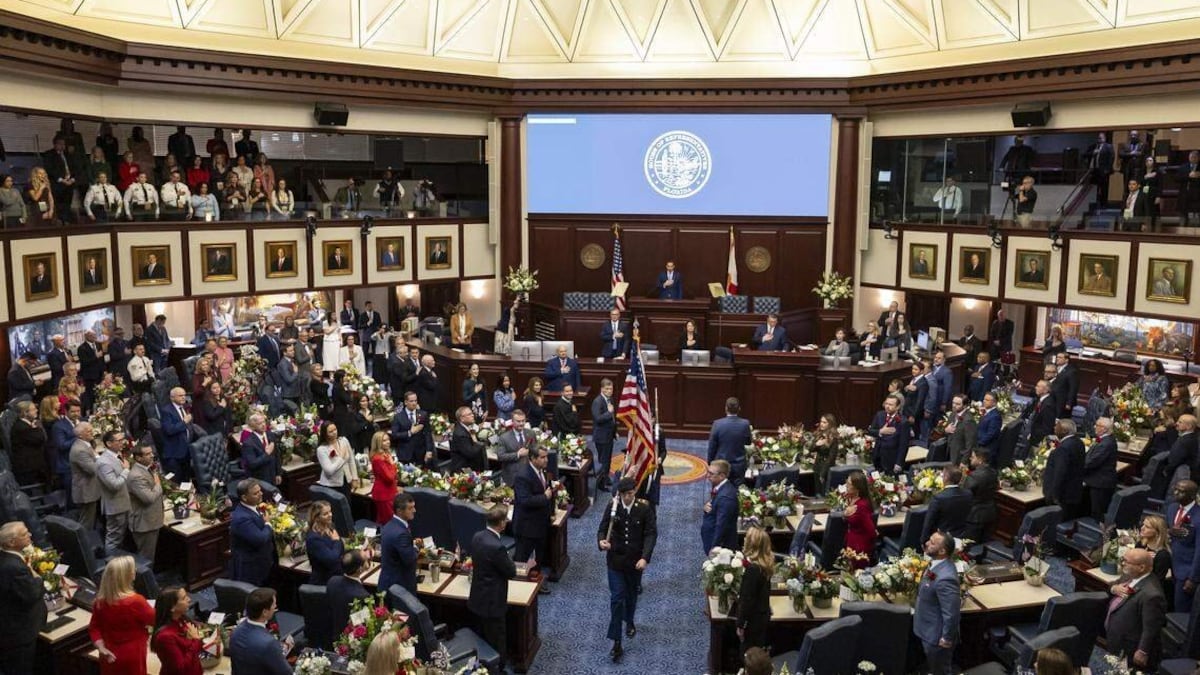
A Florida House committee is advancing a bill that would crack down on insurers shifting profits to affiliated companies — a practice highlighted by recent investigative reporting. With premiums soaring and options shrinking, the proposed oversight could reshape the state’s insurance landscape and create ripple effects across the real estate market, impacting buyers, agents, and investors statewide.

Tangent Proptech Celebrates 100 Episodes With Airbnb’s Vision for the Future of Flexible Living

Proptech podcast *Tangent* marks its 100th episode with an inside look at Airbnb’s evolving role in multifamily housing. Featuring Airbnb Real Estate Marketing Leader Eliza Lochner, the episode explores the rapid growth of Airbnb‑friendly apartments, the rise of flexible‑living models, and why renters and property owners are increasingly embracing hosting as a way to balance affordability, transparency, and control. For today’s real estate professionals—especially in fast‑changing markets like Florida—the conversation highlights major shifts in tenant expectations, property management strategies, and the intersection of technology, hospitality, and residential development.

Florida Homeowners Hit Breaking Point as Insurance Premiums Top $14,000

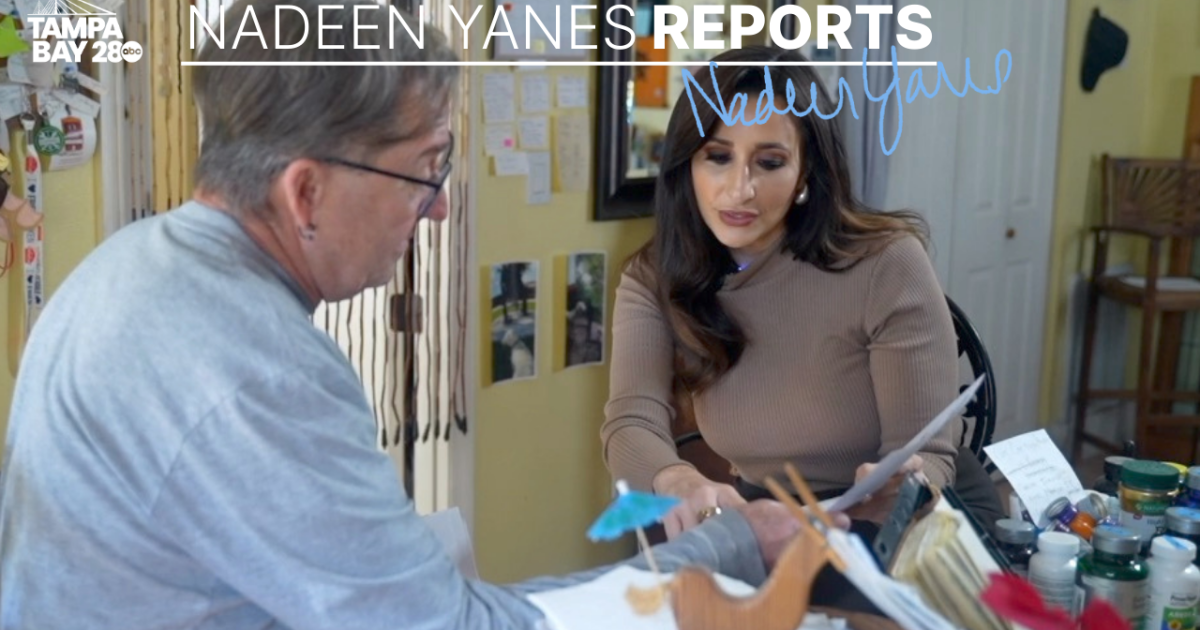
A Tampa Heights homeowner has joined the growing wave of Floridians dropping property insurance altogether after his 2026 renewal skyrocketed to $14,523. With up to 20% of residents now going bare, experts warn that soaring rates, shrinking coverage options, and post‑storm losses are pushing many to take risky measures — even as alternatives like liability‑only plans, dropped wind coverage, or home‑hardening upgrades may offer relief.

How New ERAS “Scholarly Works” Rules Could Reshape the Future of Medical Residency Applications

A major ERAS overhaul is coming in 2027, replacing the familiar “publications” field with a more rigorous category called “scholarly works.” Only peer‑reviewed submissions—such as manuscripts, abstracts, book chapters, and presentations—will qualify, shifting greater emphasis toward high‑quality research. While the change aims to give residency directors clearer insight into applicants’ academic contributions, many students worry that advocacy and policy work may lose visibility. As programs lean more heavily on research output in a post–Step 1 pass/fail era, future applicants will need to showcase not just what they’ve produced, but the depth and meaning behind it.

Mortgage Rates Rebound: What Professionals Need to Know in 2026

Mortgage rates have ticked back up to 6.25% after a brief dip, signaling a return to stability in the housing market. With rising inventory, moderating prices, and forecasts calling for steady rates through 2026, real estate and finance professionals can expect a more predictable environment ahead. This shift opens the door to smoother transactions, improved buyer confidence, and stronger opportunities for career growth across mortgage, real estate, insurance, and related fields.