Revolutionizing Precision Medicine: AI’s Role in Diabetes and Chronic Disease Management


In an era where data reigns supreme, the integration of artificial intelligence (AI) and machine learning (ML) into the realm of precision medicine is not just a possibility but a burgeoning reality. This transformative journey was the focal point of a recent workshop organized by the National Institutes of Health (NIH), which sought to bridge the gap between biomedical researchers and AI/ML experts. The gathering aimed to explore the immense potential AI holds in revolutionizing the treatment and management of diabetes and other chronic diseases.

Precision Medicine’s Evolving Landscape
The workshop underscored the significant strides AI/ML has made in biomedicine. From enhancing biomarker development to improving diagnostics, AI is paving the way for more personalized and effective healthcare solutions. Recent advancements in generative AI and Large Language Models (LLMs) promise to further revolutionize this field, offering new avenues for research and application.

Key Discussions and Objectives
The event was a melting pot of ideas, with discussions centered on the unique opportunities AI presents in precision medicine. Participants delved into the current status of AI-based precision medicine for diabetes, identifying community needs and gaps. The workshop also highlighted how NIH and the National Institute of Diabetes and Digestive and Kidney Diseases (NIDDK) data science programs can address these gaps.

Distinguished Participants and Organizers
The organizing committee comprised notable figures from academia and the NIH, including Marcela Brissova from Vanderbilt University and Jeffrey Grethe from the University of California, San Diego. Their expertise and insights were instrumental in steering the workshop’s discussions.

Pre-Workshop Speaker Series
To set the stage for the main event, a pre-workshop speaker series was held. The first session, The Bio-Behavioral Dimensions of Diabetes Heterogeneity, featured Dr. Yao Qin and Dr. Ashu Sabharwal, who shared their insights on data-driven machine learning and bio-behavioral pathways in diabetes.

The second session, Advances in AI and Applications in Biomedicine, showcased Dr. James Zou and Dr. Eran Halperin, who explored AI agents in biomedicine and the challenges and opportunities across data modalities in medicine.

Event Logistics and Participation
Hosted at the Neuroscience Center Building in Rockville, MD, the workshop offered both in-person and virtual participation options. This hybrid approach ensured a broad spectrum of engagement from the scientific community.

For those interested in revisiting the event, recordings of the sessions are available: Day 1 Webinar and Day 2 Webinar.

Conclusion
As AI continues to evolve, its integration into precision medicine promises to unlock new potential in the treatment of chronic diseases. The NIH workshop was a testament to the collaborative efforts needed to harness this potential, paving the way for a future where healthcare is more personalized, predictive, and precise.

More Articles

Getting licensed or staying ahead in your career can be a journey—but it doesn’t have to be overwhelming. Grab your favorite coffee or tea, take a moment to relax, and browse through our articles. Whether you’re just starting out or renewing your expertise, we’ve got tips, insights, and advice to keep you moving forward. Here’s to your success—one sip and one step at a time!

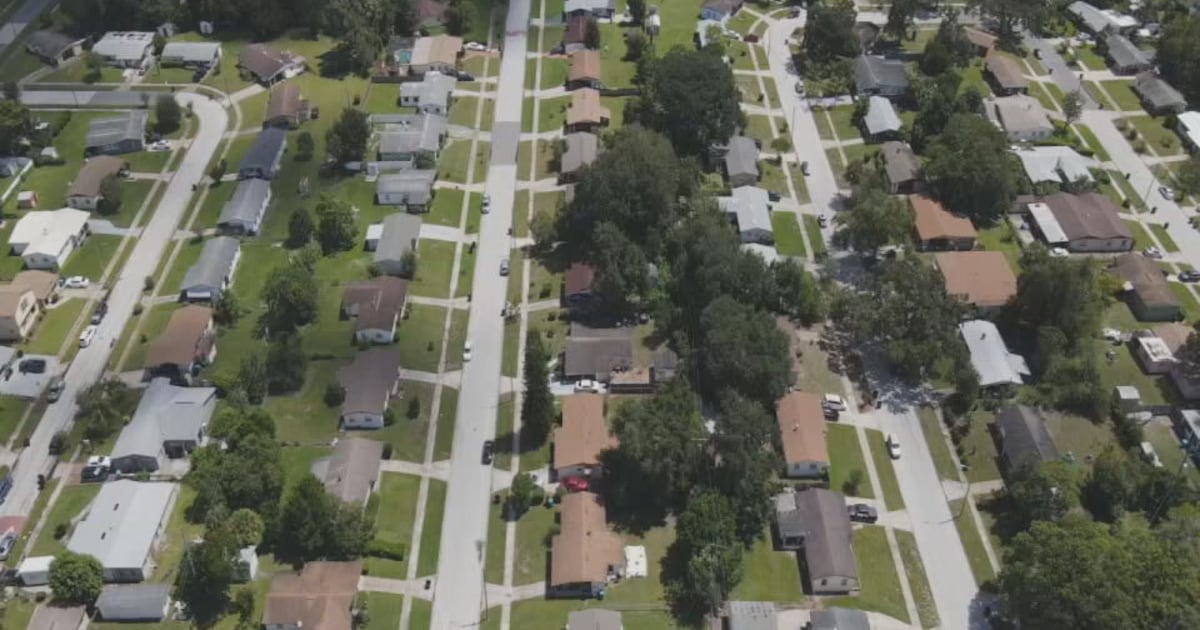
Florida Homeowners Finally Get a Break as Insurance Rates Begin to Drop

After years of soaring premiums and insurer instability, Florida’s property insurance market is finally turning a corner. Major carriers have filed 83 requests for rate decreases heading into 2026, with companies like Florida Peninsula and Patriot Select proposing cuts of 8.4% and 11.3%. Some homeowners may see relief as early as next month, signaling a long‑awaited shift toward market stability.

The Fix-and-Flip Comeback: Why 2026 Is Poised to Be a Breakout Year for Investors

Fix-and-flip investing is gearing up for one of its strongest years in a decade as 2026 approaches. With cheaper capital, more accessible funding, easing interest rates, and long-awaited increases in housing inventory, investors are finding the perfect environment to launch or scale renovation-based real estate businesses. Renovation continues to outpace new construction in cost and speed, and demand for move-in-ready homes remains high, making 2026 a powerful opportunity window for both new and experienced investors.

Falling Rents Today, Rising Pressures Tomorrow: A 2026 Rental Squeeze Is on the Horizon

After a short-lived period of relief in 2025, the U.S. rental market may be headed for a tighter, more expensive 2026. With construction starts dropping nearly 11% and completions plunging 42%, the surge of new apartments that helped lower rents is rapidly drying up. Rising costs, shrinking inventory, and a slowdown in new development point to a potential rental crunch that could leave renters facing heavier competition and higher prices across major markets next year.

The Biggest Opportunity in Real Estate Since 2008

The commercial real estate market is entering a rare reset that experts say mirrors the post‑2008 boom, creating a potential window for disciplined investors. With trillions in commercial debt coming due and property values dropping up to 40%, firms like AARE are positioning themselves to acquire assets below replacement cost—an advantage that could set the stage for significant long‑term growth.

Six for 2026: The Commercial Real Estate Shifts Already Reshaping the U.S.

Commercial real estate is entering a reinvention phase, with AI‑driven productivity, modernized office demand, experience‑focused retail, expanding industrial logistics, creative housing solutions, and sustainability‑centered design all accelerating nationwide. These six forces are shaping how investors, brokers, and future licensees will operate in a rapidly evolving U.S. market.

2026 Becomes the Turning Point: Innovation, Stability, and Upward Mobility Return

After years of economic uncertainty and cautious decision‑making, 2026 is shaping up to be the year professionals finally catch a break. AI is moving from buzzword to essential tool, capital markets are beginning to thaw, and hiring is picking up across real estate, mortgage, insurance, finance, and healthcare. With opportunity returning, many professionals are using this moment to upskill—pursuing new licenses, certifications, and cross‑industry expertise.