In the ever-evolving world of healthcare, the integration of artificial intelligence is reshaping the landscape of diagnostics, particularly in radiology. Companies like Qure.ai are at the forefront, developing AI-powered tools that not only enhance the speed of diagnoses but also improve accuracy, significantly benefiting patient outcomes.

Qure.ai, alongside other innovators such as Arterys, DeepMind (acquired by Google), and Cleerly, is pioneering the use of AI in radiology to address diagnostic challenges. Their technologies process vast numbers of X-rays, CT scans, and MRIs, diagnosing conditions like tuberculosis, lung cancer, and stroke with remarkable speed and precision.

In resource-constrained environments, AI technology is crucial. For instance, Qure.ai’s systems deployed on mobile units in the Philippines have reduced the TB diagnosis process from weeks to seconds. This technology is now operational in over 3,000 global sites, demonstrating its scalability and impact.

Advancing Diagnostic Accuracy

AI’s role extends beyond speed; it enhances diagnostic consistency. As Prashant Warier, CEO of Qure.ai, explained, AI offers consistent results where human radiologists may often disagree. This reliability is vital for diseases requiring timely intervention, such as lung cancer, where early detection is crucial.

Qure.ai’s AI tools, in partnership with AstraZeneca, assist in triaging lung cancer risks through routine X-rays, ensuring high-risk patients receive prompt medical attention. Their reach spans over 90 countries, processing more than 10 million scans annually, reinforcing their significance in modern medicine.

Global Reach and Future Prospects

The recent Series D funding round, raising $65 million, highlights Qure.ai’s growth trajectory. This funding will enable them to scale AI capabilities further and expand into new markets, like the United States.

Qure.ai’s success reflects a broader trend towards AI-enhanced healthcare that extends into treatment strategies and patient management. Future developments involve integrating AI with genomics and electronic health records, providing a holistic view of patient health. As Warier suggests, the fusion of multiple health data points will facilitate more informed, comprehensive medical decisions.

This development marks a new era where AI not only supports but transforms healthcare delivery globally, promising more advanced, equitable solutions for everyone.

More Articles

Getting licensed or staying ahead in your career can be a journey—but it doesn’t have to be overwhelming. Grab your favorite coffee or tea, take a moment to relax, and browse through our articles. Whether you’re just starting out or renewing your expertise, we’ve got tips, insights, and advice to keep you moving forward. Here’s to your success—one sip and one step at a time!

AI in Medical Diagnosis: Revolutionizing Healthcare Standards

"AI and machine learning are emerging as powerful technologies to address this issue, improving the accuracy of medical diagnosis and revolutionizing healthcare with their myriad applications."

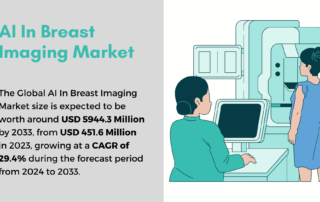
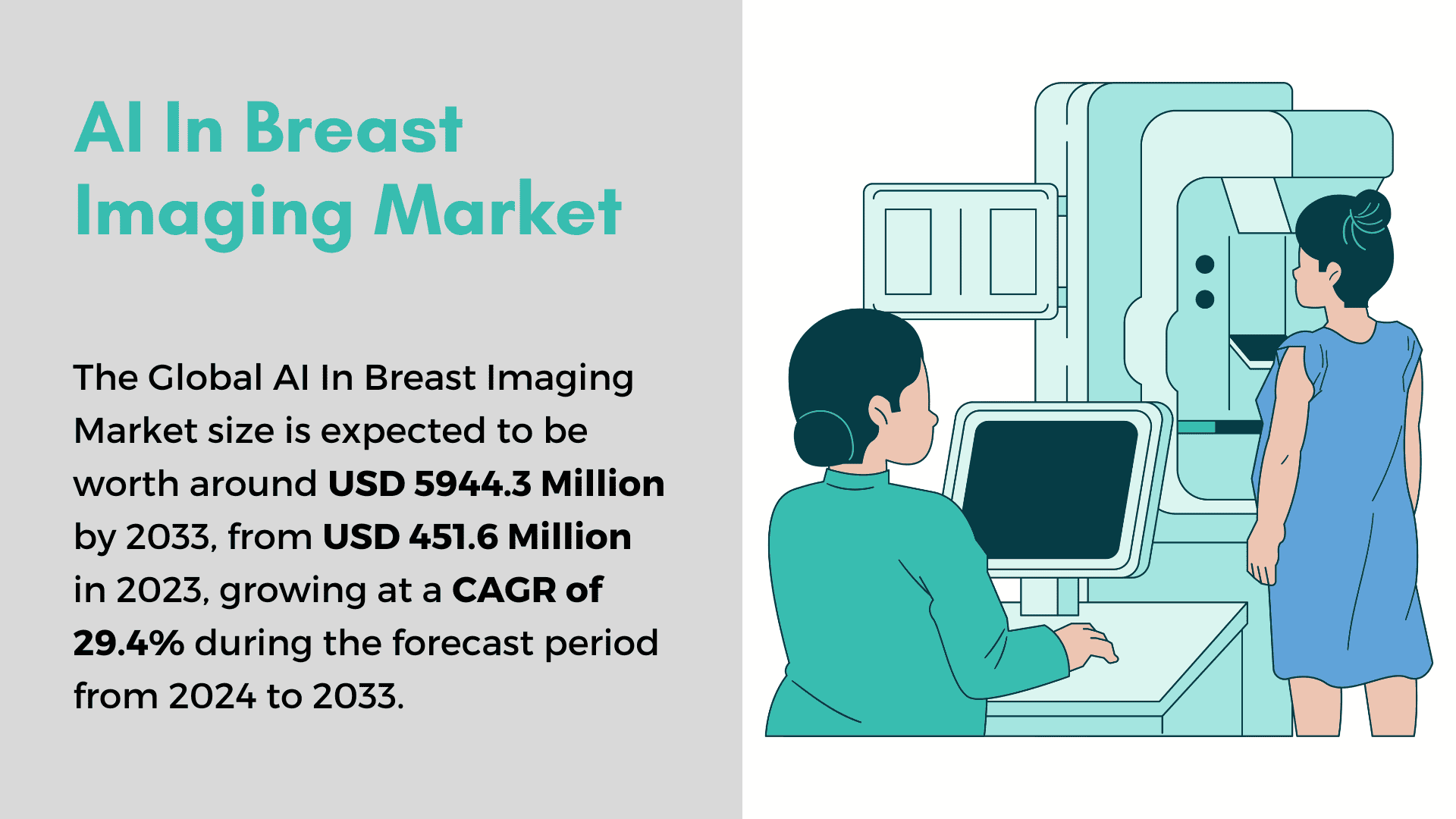
AI in Breast Imaging Market Set for Explosive Growth

The global AI in breast imaging market is on a remarkable growth trajectory, projected to swell from USD 451.6 million in 2023 to an impressive USD 5944.3 million by 2033. This represents a compound annual growth rate (CAGR) of 29.4%, primarily driven by cutting-edge advancements in AI technologies that significantly enhance diagnostic accuracy, facilitate early detection, and boost healthcare efficiency.

Virtual Real Estate: Navigating Investments in Metaverse Platforms

Virtual real estate in metaverses is becoming a focal point for investors worldwide, with digital plots of land mirroring traditional real estate value based on location, size, and platform popularity.

The Transformative Power of AI in In-Vitro Diagnostics

Artificial intelligence (AI) and machine learning are at the forefront of revolutionizing in-vitro diagnostic (IVD) tools, redefining diagnostics and enhancing healthcare outcomes on multiple fronts.

The Future of Life Sciences: A Vision for 2030

As we edge closer to 2030, the life sciences industry stands on the threshold of transformative changes. With a global valuation exceeding $2 trillion, the sector is poised for significant growth, driven by technological advancements and an aging population.

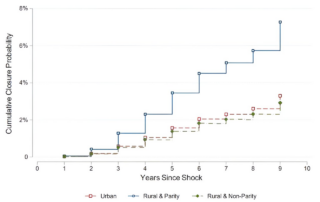
Telehealth: A Boon for Patients, A Challenge for Rural Hospitals

The advent of telehealth has revolutionized the way patients, particularly those in rural areas, access health care. By offering remote consultations and follow-up care, telehealth provides a convenient alternative to traveling long distances to urban hospitals. However, this technological advancement brings with it a set of challenges that could reshape the rural health care landscape.

By |December 20, 2024|Categories: Article, Health/Medicine, Technology|Tags: , |0 Comments