In the ever-evolving world of healthcare, the integration of artificial intelligence is reshaping the landscape of diagnostics, particularly in radiology. Companies like Qure.ai are at the forefront, developing AI-powered tools that not only enhance the speed of diagnoses but also improve accuracy, significantly benefiting patient outcomes.

Qure.ai, alongside other innovators such as Arterys, DeepMind (acquired by Google), and Cleerly, is pioneering the use of AI in radiology to address diagnostic challenges. Their technologies process vast numbers of X-rays, CT scans, and MRIs, diagnosing conditions like tuberculosis, lung cancer, and stroke with remarkable speed and precision.

In resource-constrained environments, AI technology is crucial. For instance, Qure.ai’s systems deployed on mobile units in the Philippines have reduced the TB diagnosis process from weeks to seconds. This technology is now operational in over 3,000 global sites, demonstrating its scalability and impact.

Advancing Diagnostic Accuracy

AI’s role extends beyond speed; it enhances diagnostic consistency. As Prashant Warier, CEO of Qure.ai, explained, AI offers consistent results where human radiologists may often disagree. This reliability is vital for diseases requiring timely intervention, such as lung cancer, where early detection is crucial.

Qure.ai’s AI tools, in partnership with AstraZeneca, assist in triaging lung cancer risks through routine X-rays, ensuring high-risk patients receive prompt medical attention. Their reach spans over 90 countries, processing more than 10 million scans annually, reinforcing their significance in modern medicine.

Global Reach and Future Prospects

The recent Series D funding round, raising $65 million, highlights Qure.ai’s growth trajectory. This funding will enable them to scale AI capabilities further and expand into new markets, like the United States.

Qure.ai’s success reflects a broader trend towards AI-enhanced healthcare that extends into treatment strategies and patient management. Future developments involve integrating AI with genomics and electronic health records, providing a holistic view of patient health. As Warier suggests, the fusion of multiple health data points will facilitate more informed, comprehensive medical decisions.

This development marks a new era where AI not only supports but transforms healthcare delivery globally, promising more advanced, equitable solutions for everyone.

More Articles

Getting licensed or staying ahead in your career can be a journey—but it doesn’t have to be overwhelming. Grab your favorite coffee or tea, take a moment to relax, and browse through our articles. Whether you’re just starting out or renewing your expertise, we’ve got tips, insights, and advice to keep you moving forward. Here’s to your success—one sip and one step at a time!

Precision Medicine Market: A Tailored Approach Revolutionizing Healthcare

With increasing governmental and private investments, the demand for precision medicine is expected to rise steadily. The commitment to addressing chronic conditions, coupled with strategic industry collaborations and advanced diagnostic tools, will sustain market growth.

U.S. Wearable Medical Devices Market: Growth Trends and Future Prospects

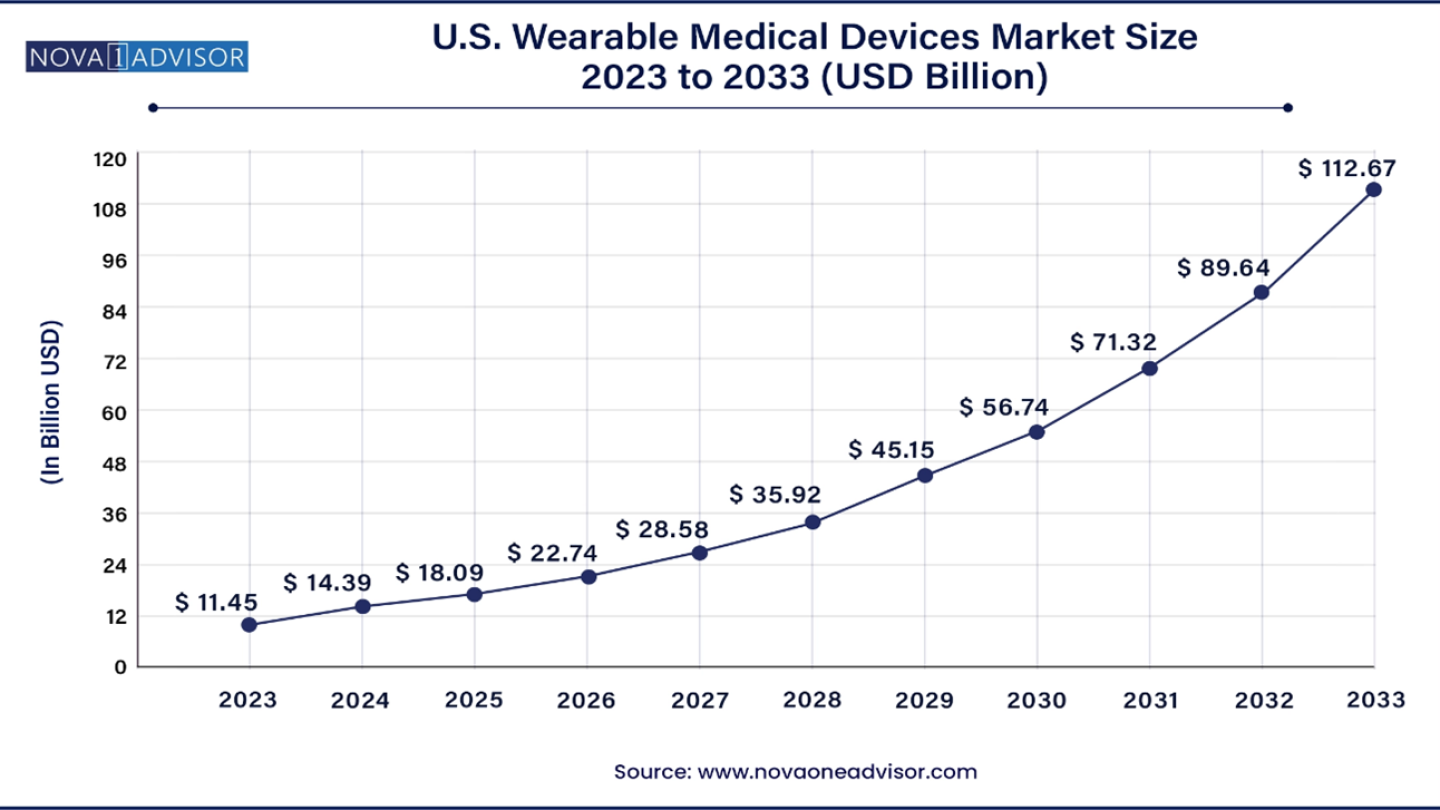
The U.S. wearable medical devices market, currently valued at an estimated $11.45 billion in 2023, is set to experience an astronomical rise to approximately $112.67 billion by 2033.

By |December 3, 2024|Categories: Article, Healthcare, Technology|Tags: |0 Comments

The Future of Real Estate Market: What Lies Ahead?

The real estate market is on the brink of transformation, captivating the attention of buyers, sellers, investors, and industry professionals. As we look toward the end of 2024, experts predict a shift in the landscape, particularly with home prices expected to decline due to increased inventory levels.

By |December 3, 2024|Categories: Article, Market Trends, Real Estate|Tags: , |0 Comments

Bridging the Healthcare Gap in Rural Areas with Telehealth

According to the World Health Organization (WHO), nearly two billion people in rural and remote areas worldwide lack access to essential healthcare solutions. This staggering statistic highlights a critical issue: the digital divide that limits telehealth services, primarily due to inadequate broadband access.

By |December 2, 2024|Categories: Article, Healthcare, Technology|Tags: , |0 Comments

Navigating Ethical Challenges: AI in Healthcare

As AI becomes a staple in medical practice, it carries the risk of reinforcing existing biases entrenched in historical data. These biases can lead to skewed outcomes, particularly affecting marginalized communities such as the LGBTQIA+ and certain ethnic groups.

By |December 2, 2024|Categories: Article, Ethics, Healthcare|Tags: , |0 Comments

New SCLC Biomarkers Enable Advances in Precision Medicine Approaches

A groundbreaking study published in Volume 15 of Oncotarget on October 11, 2024, titled 'Relationship between the expressions of DLL3, ASC1, TTF-1 and Ki-67: First steps of precision medicine at SCLC' showcases pivotal advancements in the fight against small cell lung cancer (SCLC).

By |December 2, 2024|Categories: Article, Cancer Treatment, Medical Research|Tags: , |0 Comments