Earlier, Accurate Diagnosis

In the evolving landscape of healthcare, genetic disorders have always presented significant diagnostic challenges. The complexity of their genetic and phenotypic characteristics often leaves clinicians grappling for answers. Enter the CLinAI Initiative, a groundbreaking project spearheaded by Dr. Hamid Alinejad Rokny from UNSW. This initiative is changing the game by leveraging advanced AI and Large Language Models (LLMs) to process and analyze vast amounts of genetic, clinical, and phenotypic data. The result? A more precise identification of genetic markers linked to diseases, allowing doctors to intervene earlier and tailor treatments for those who need them most.
“We’re not just diagnosing conditions faster; we’re diagnosing them better,” says Dr. Rokny. The power of AI and LLMs lies in their ability to uncover patterns in data that were previously invisible, offering a revolutionary approach to tackling rare and complex heart diseases.

Individual Treatments, Global Impact

Cardiovascular diseases, known for their unpredictability, underscore the critical need for early and accurate diagnosis. The AI-driven platform developed by the CLinAI team promises to cut diagnostic times by a staggering 80% and reduce healthcare costs by 70%. This means quicker treatments, fewer hospital visits, and improved outcomes for patients and their families.
“I can’t imagine the relief this will bring to so many people,” remarks Prof. Nigel Lovell, Head of UNSW Biomedical Engineering School. “The earlier we catch these conditions, the more we can do to prevent severe complications down the line.”
What sets this initiative apart is the global collaboration propelling it forward. UNSW is working closely with partners like NSW Health (Professor Tony Roscioli), the Chinese Academy of Sciences, and the Thailand Genomics Service to push the boundaries of AI and LLMs in healthcare. This collaborative effort ensures that the innovations are not just theoretical but are making a tangible difference in the real world.
“By working together, we’re making sure that these innovations aren’t just theoretical—they’re making a real-world difference,” Dr. Rokny explains.
For more details, visit the original article.

More Articles

Getting licensed or staying ahead in your career can be a journey—but it doesn’t have to be overwhelming. Grab your favorite coffee or tea, take a moment to relax, and browse through our articles. Whether you’re just starting out or renewing your expertise, we’ve got tips, insights, and advice to keep you moving forward. Here’s to your success—one sip and one step at a time!

Precision Medicine Market: A Tailored Approach Revolutionizing Healthcare

With increasing governmental and private investments, the demand for precision medicine is expected to rise steadily. The commitment to addressing chronic conditions, coupled with strategic industry collaborations and advanced diagnostic tools, will sustain market growth.

U.S. Wearable Medical Devices Market: Growth Trends and Future Prospects

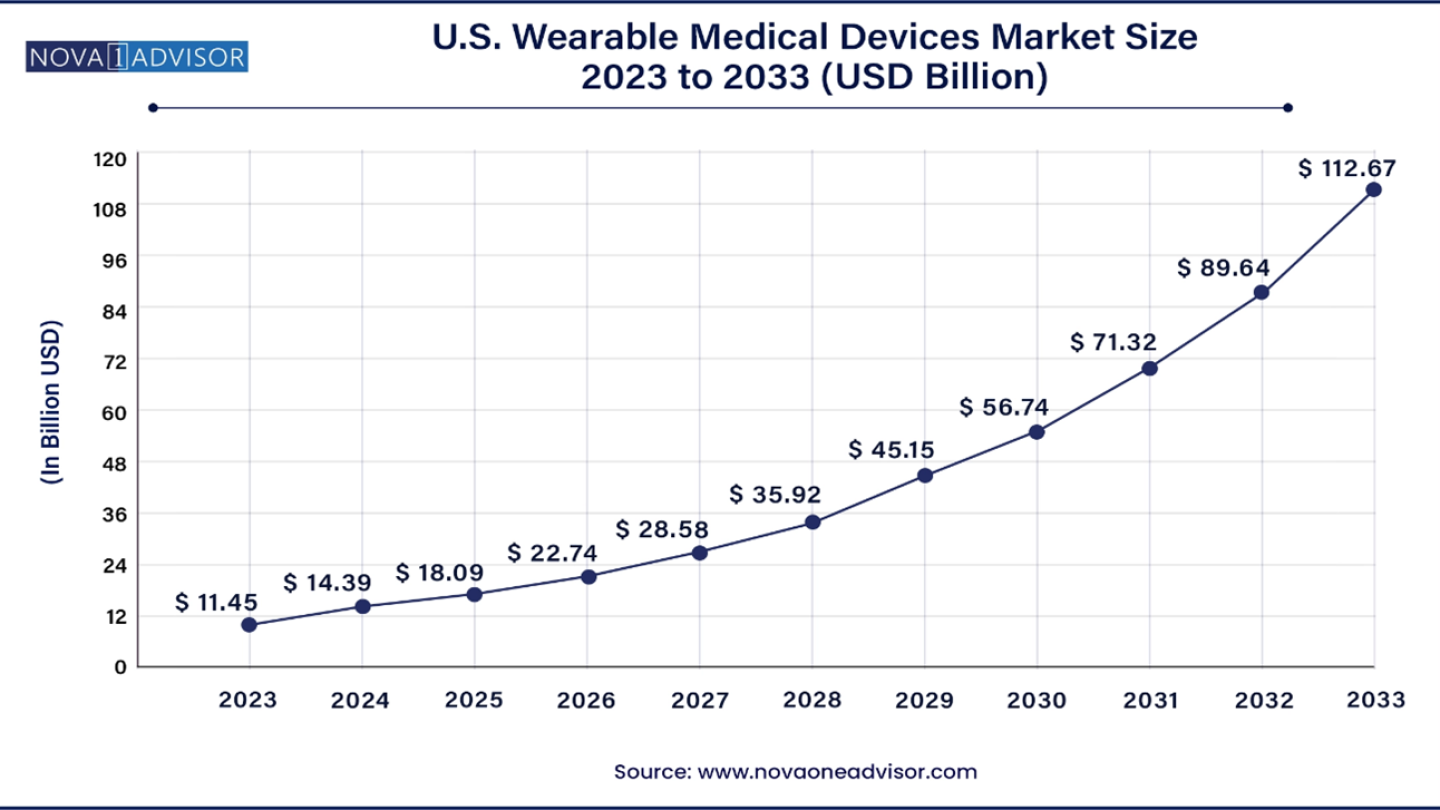
The U.S. wearable medical devices market, currently valued at an estimated $11.45 billion in 2023, is set to experience an astronomical rise to approximately $112.67 billion by 2033.

By |December 3, 2024|Categories: Article, Healthcare, Technology|Tags: |0 Comments

The Future of Real Estate Market: What Lies Ahead?

The real estate market is on the brink of transformation, captivating the attention of buyers, sellers, investors, and industry professionals. As we look toward the end of 2024, experts predict a shift in the landscape, particularly with home prices expected to decline due to increased inventory levels.

By |December 3, 2024|Categories: Article, Market Trends, Real Estate|Tags: , |0 Comments

Bridging the Healthcare Gap in Rural Areas with Telehealth

According to the World Health Organization (WHO), nearly two billion people in rural and remote areas worldwide lack access to essential healthcare solutions. This staggering statistic highlights a critical issue: the digital divide that limits telehealth services, primarily due to inadequate broadband access.

By |December 2, 2024|Categories: Article, Healthcare, Technology|Tags: , |0 Comments

Navigating Ethical Challenges: AI in Healthcare

As AI becomes a staple in medical practice, it carries the risk of reinforcing existing biases entrenched in historical data. These biases can lead to skewed outcomes, particularly affecting marginalized communities such as the LGBTQIA+ and certain ethnic groups.

By |December 2, 2024|Categories: Article, Ethics, Healthcare|Tags: , |0 Comments

New SCLC Biomarkers Enable Advances in Precision Medicine Approaches

A groundbreaking study published in Volume 15 of Oncotarget on October 11, 2024, titled 'Relationship between the expressions of DLL3, ASC1, TTF-1 and Ki-67: First steps of precision medicine at SCLC' showcases pivotal advancements in the fight against small cell lung cancer (SCLC).

By |December 2, 2024|Categories: Article, Cancer Treatment, Medical Research|Tags: , |0 Comments