In an era where technology is reshaping industries, the real estate sector is no exception. Artificial Intelligence (AI) is at the forefront of this transformation, revolutionizing how sellers, buyers, and investors navigate the property market. As reported by Forbes, AI tools are bringing profound changes to real estate by streamlining operations and enhancing customer experiences.


Enhancing Data-Driven Decision Processes

Setting the right price for a property has always been a complex task, blending art and science. AI is making this process more precise through automated valuation models (AVMs). These models analyze a multitude of data points, including historical sales data and market trends, ensuring properties are priced accurately.


For investors, AI simplifies the daunting task of analyzing countless data points to uncover lucrative opportunities. By evaluating market trends and neighborhood statistics, AI tools help investors maximize returns while minimizing risks.


Personalized Property Recommendations

AI is not just a boon for sellers and investors; it also aids buyers in finding their dream homes. By considering personalized preferences such as school districts and proximity to amenities, AI delivers tailored property recommendations, making the search process more efficient and less frustrating.


Mitigating Risk in Real Estate

Fraud and misuse are persistent challenges in real estate. AI addresses these issues by quickly identifying suspicious activities and enforcing compliance, thus protecting property values and community integrity. Additionally, AI automates tasks like rent collection and maintenance, reducing administrative burdens on property managers and improving tenant satisfaction.


Future Impacts of AI

AI is already delivering tangible value across real estate sectors, from improving customer service to risk management. As these technologies evolve, their impact on the industry is expected to deepen, benefiting buyers, sellers, investors, and property managers alike.


By embracing AI, the real estate industry is poised for significant transformation, with intelligent tools driving enhanced efficiency and innovation.

More Articles

Getting licensed or staying ahead in your career can be a journey—but it doesn’t have to be overwhelming. Grab your favorite coffee or tea, take a moment to relax, and browse through our articles. Whether you’re just starting out or renewing your expertise, we’ve got tips, insights, and advice to keep you moving forward. Here’s to your success—one sip and one step at a time!

The Impact of Geopolitics on Real Estate – Insights from José Manuel Durȃo Barroso

Durȃo Barroso articulated a stark view of the current geopolitical climate, describing it as "polarized, fragmented, very volatile"... unpredictable and dangerous.

By |February 20, 2025|Categories: Article, Geopolitics, Real Estate|Tags: , |0 Comments

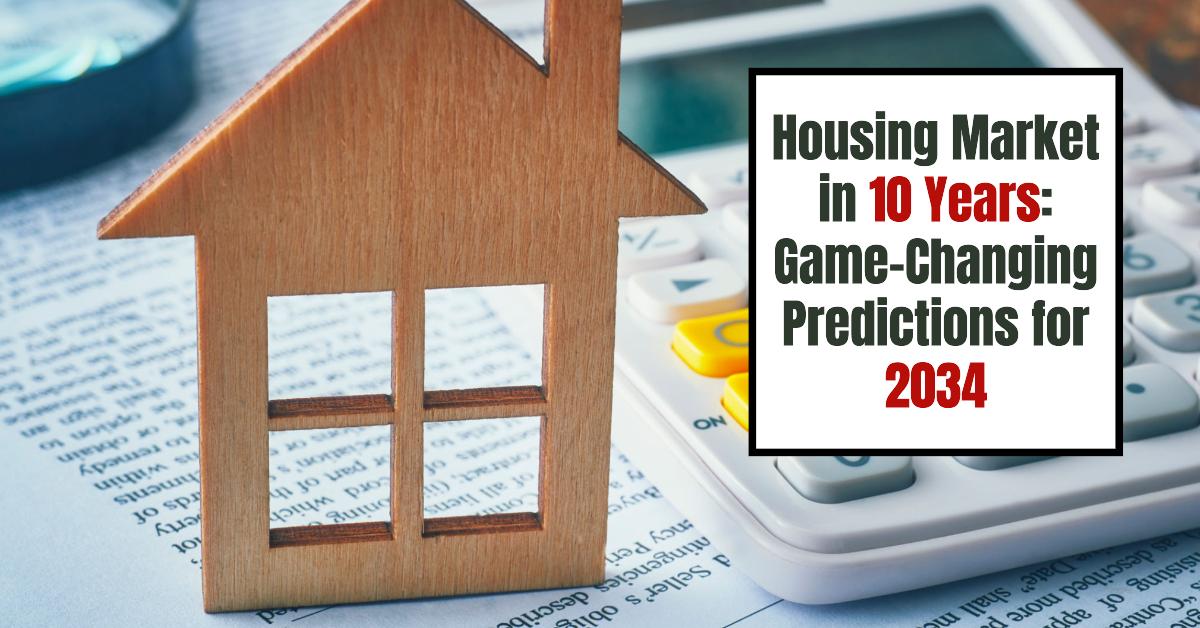
The Future of the US Housing Market: A Look Ahead to 2034

The US housing market in 10 years is poised for significant transformation, driven by a complex interplay of demographic, technological, economic, and environmental factors. By 2034, we may see a housing landscape that is more diverse, technologically advanced, and responsive to the needs of an evolving population.

Uplist’s RECAPTURE™ Wins Prestigious Awards for Mortgage Innovation

Uplist's flagship product, RECAPTURE™, has garnered significant attention in the mortgage industry by receiving two prestigious accolades: the 2025 Tech100 Mortgage Award from HousingWire and the Innovations Award from Progress in Lending.

By |February 19, 2025|Categories: Article, Business, Technology|Tags: , |0 Comments

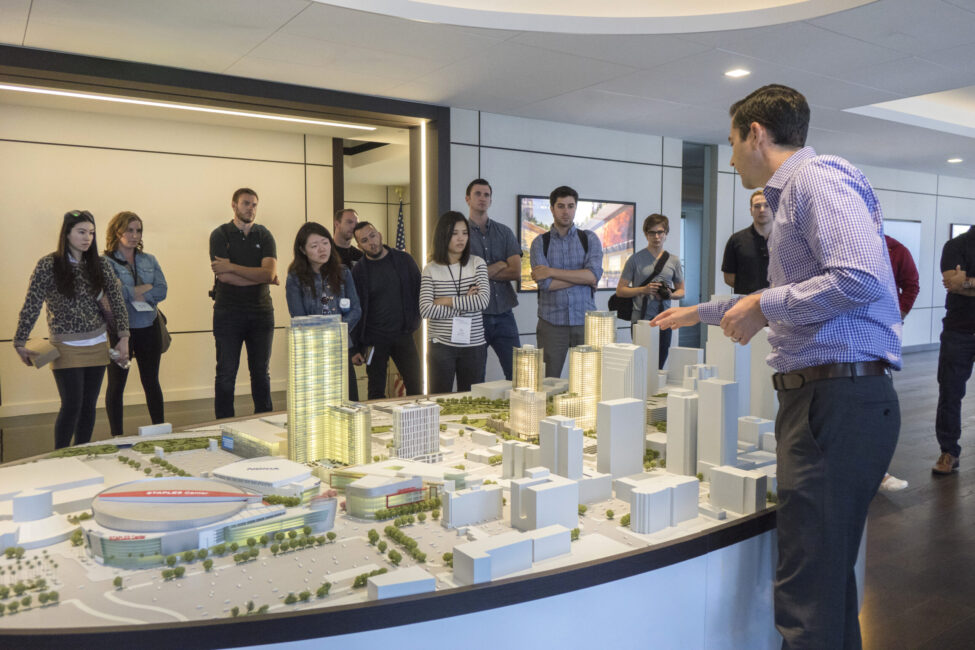
Unlocking the Future of Real Estate: USC’s Dollinger Master of Real Estate Development Program

A testament to its enduring excellence, the MRED program at USC equips students with a comprehensive understanding of real estate finance, governance, and development.

By |February 19, 2025|Categories: Article, Education, Real Estate|Tags: , |0 Comments

Breaking Free from Square Footage: A New Era in Commercial Real Estate

Nearly half of coworking operators are breaking even or operating at a loss, highlighting the need for a fresh approach.