
In the ever-evolving landscape of real estate, few innovations have captured the industry’s imagination as profoundly as blockchain technology. Known for its roots in the realm of cryptocurrencies like Bitcoin, blockchain is now making significant inroads into real estate, promising a revolution in how properties are bought, sold, and managed.

Blockchain in real estate

In 2020, the global market for blockchain in the real estate sector was valued at a staggering $328.3 million. By 2028, this figure is projected to soar to $3.8 billion, underscoring the technology’s transformative potential. A testament to its promise, a significant 86% of industry decision-makers believe blockchain could fundamentally change the game.

Applications of Blockchain in Real Estate

  • Due Diligence

    The arduous process of due diligence is streamlined through blockchain, which allows for secure digital documentation. This minimizes the risk of data tampering and automates tasks, enhancing speed and accuracy.
  • Property Search

    Traditional property listings often involve prohibitive fees and inaccuracies. Blockchain disrupts this by enabling decentralized data sharing, fostering peer-to-peer efficiency and real-time data accuracy for brokers and clients.
  • Property Management

    By integrating blockchain, property management processes are simplified. Smart contracts automate transactions, such as lease payments, ensuring a secure and seamless experience for both landlords and tenants.
  • File and Payments Handling

    Blockchain reduces the complexities of file management and transactions by introducing digital identities and cryptocurrencies, streamlining processes and cutting associated costs.
  • Real Estate Investing

    Tokenization through blockchain allows for fractional ownership, promoting transparency and reducing fraud, thereby enhancing investment security.


Challenges in Adopting Blockchain

While the benefits are compelling, the adoption of blockchain in real estate is not without its challenges. The costs associated with development and integration are significant, and the scarcity of skilled professionals with the necessary expertise can be a barrier. Furthermore, despite blockchain’s inherent security advantages, vulnerabilities such as insider threats and smart contract bugs necessitate robust security measures. The evolving regulatory landscape also poses a challenge, as countries worldwide have varying laws regarding technology and real estate.

Conclusion

Despite these hurdles, the potential of blockchain to revolutionize the real estate sector is undeniable. As highlighted in the original article from Impakter, keeping a keen eye on blockchain’s evolution will be crucial in understanding its full impact on the real estate landscape.

More Articles

Getting licensed or staying ahead in your career can be a journey—but it doesn’t have to be overwhelming. Grab your favorite coffee or tea, take a moment to relax, and browse through our articles. Whether you’re just starting out or renewing your expertise, we’ve got tips, insights, and advice to keep you moving forward. Here’s to your success—one sip and one step at a time!

Is Florida’s Booming Real Estate Market Becoming Unaffordable?

Florida is facing a real estate crisis marked by skyrocketing insurance premiums, stringent FEMA rules, and a surge in hedge fund property acquisitions.

By |November 14, 2024|Categories: Article, Finance/Economy, Real Estate|Tags: , |0 Comments

Revolutionizing Cancer Therapy: The Promise of Patient-Derived Organoids

Patient-derived organoids offer an unprecedented opportunity to replicate the complex structure and genetic makeup of cancers, providing a more accurate model for clinical drug screening and pharmacognostic assessment.

The AI Revolution in Dermatology: A Systematic Review

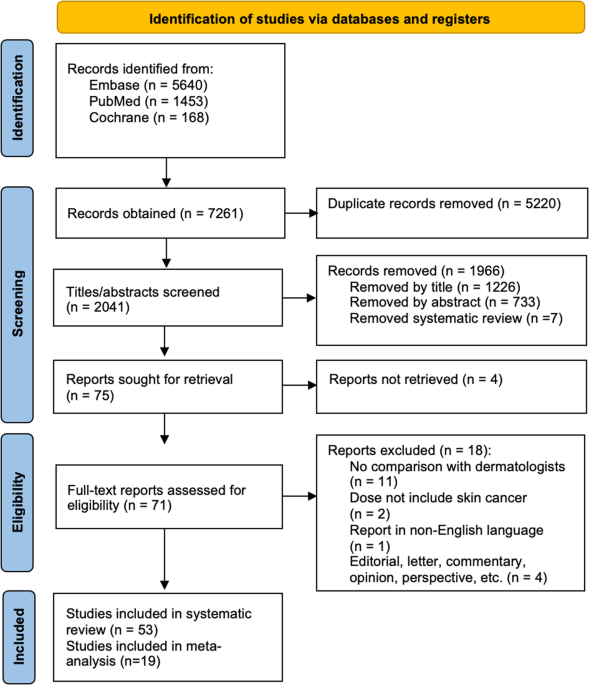
In a groundbreaking study published in Nature, researchers have delved into the burgeoning field of artificial intelligence (AI) in dermatology, specifically examining its role in diagnosing skin cancer. The study, titled "A Systematic Review and Meta-Analysis of Artificial Intelligence Versus Clinicians for Skin Cancer Diagnosis," offers a comprehensive look at how AI stacks up against human clinicians in this critical area of healthcare.

By |November 14, 2024|Categories: AI in Healthcare, Article, Dermatology|Tags: , |0 Comments

The Fast Lane to Fully Autonomous Vehicles: Industry Innovations and Future Prospects

The automotive world is abuzz with announcements from major players like Tesla, Rimac, Renault, and Nissan, each unveiling plans to introduce autonomous vehicles in the near future. Tesla's much-anticipated "CyberCab" is set for an October 2024 debut, while Rimac and Renault are gearing up for releases in 2026.

Futureproofing for Insurers: The Role of AI and Hyper-Personalization

In a rapidly evolving industry, insurance companies are turning to artificial intelligence (AI) and hyper-personalization to stay ahead of the curve.

Revolutionizing Healthcare: The Power and Potential of AI

AI technology offers a multitude of benefits, from enhancing patient outcomes to reducing healthcare costs and improving population health. Its application ranges from preventive screenings to complex diagnostic procedures, marking a new era in medical care.


By |November 13, 2024|Categories: Article, Artificial Intelligence, Healthcare|Tags: , |0 Comments