
In the ever-evolving landscape of real estate, few innovations have captured the industry’s imagination as profoundly as blockchain technology. Known for its roots in the realm of cryptocurrencies like Bitcoin, blockchain is now making significant inroads into real estate, promising a revolution in how properties are bought, sold, and managed.

Blockchain in real estate

In 2020, the global market for blockchain in the real estate sector was valued at a staggering $328.3 million. By 2028, this figure is projected to soar to $3.8 billion, underscoring the technology’s transformative potential. A testament to its promise, a significant 86% of industry decision-makers believe blockchain could fundamentally change the game.

Applications of Blockchain in Real Estate

  • Due Diligence

    The arduous process of due diligence is streamlined through blockchain, which allows for secure digital documentation. This minimizes the risk of data tampering and automates tasks, enhancing speed and accuracy.
  • Property Search

    Traditional property listings often involve prohibitive fees and inaccuracies. Blockchain disrupts this by enabling decentralized data sharing, fostering peer-to-peer efficiency and real-time data accuracy for brokers and clients.
  • Property Management

    By integrating blockchain, property management processes are simplified. Smart contracts automate transactions, such as lease payments, ensuring a secure and seamless experience for both landlords and tenants.
  • File and Payments Handling

    Blockchain reduces the complexities of file management and transactions by introducing digital identities and cryptocurrencies, streamlining processes and cutting associated costs.
  • Real Estate Investing

    Tokenization through blockchain allows for fractional ownership, promoting transparency and reducing fraud, thereby enhancing investment security.


Challenges in Adopting Blockchain

While the benefits are compelling, the adoption of blockchain in real estate is not without its challenges. The costs associated with development and integration are significant, and the scarcity of skilled professionals with the necessary expertise can be a barrier. Furthermore, despite blockchain’s inherent security advantages, vulnerabilities such as insider threats and smart contract bugs necessitate robust security measures. The evolving regulatory landscape also poses a challenge, as countries worldwide have varying laws regarding technology and real estate.

Conclusion

Despite these hurdles, the potential of blockchain to revolutionize the real estate sector is undeniable. As highlighted in the original article from Impakter, keeping a keen eye on blockchain’s evolution will be crucial in understanding its full impact on the real estate landscape.

More Articles

Getting licensed or staying ahead in your career can be a journey—but it doesn’t have to be overwhelming. Grab your favorite coffee or tea, take a moment to relax, and browse through our articles. Whether you’re just starting out or renewing your expertise, we’ve got tips, insights, and advice to keep you moving forward. Here’s to your success—one sip and one step at a time!

America’s Housing Affordability Crisis: A Deep Dive into 2024

The American dream of homeownership is slipping further out of reach for many as the nation grapples with a severe housing affordability crisis.

By |October 17, 2024|Categories: Article, Economic Issues, Housing Affordability|Tags: , |0 Comments

The Economic Payoff of Climate Resilience Investments

Each dollar spent on disaster preparedness can yield a remarkable $13 in savings on economic impact, damage, and cleanup costs. By investing in resilience today, we can safeguard our economic futures against the uncertainties of tomorrow.

By |October 16, 2024|Categories: Article, Climate Resilience, Economics|Tags: |0 Comments

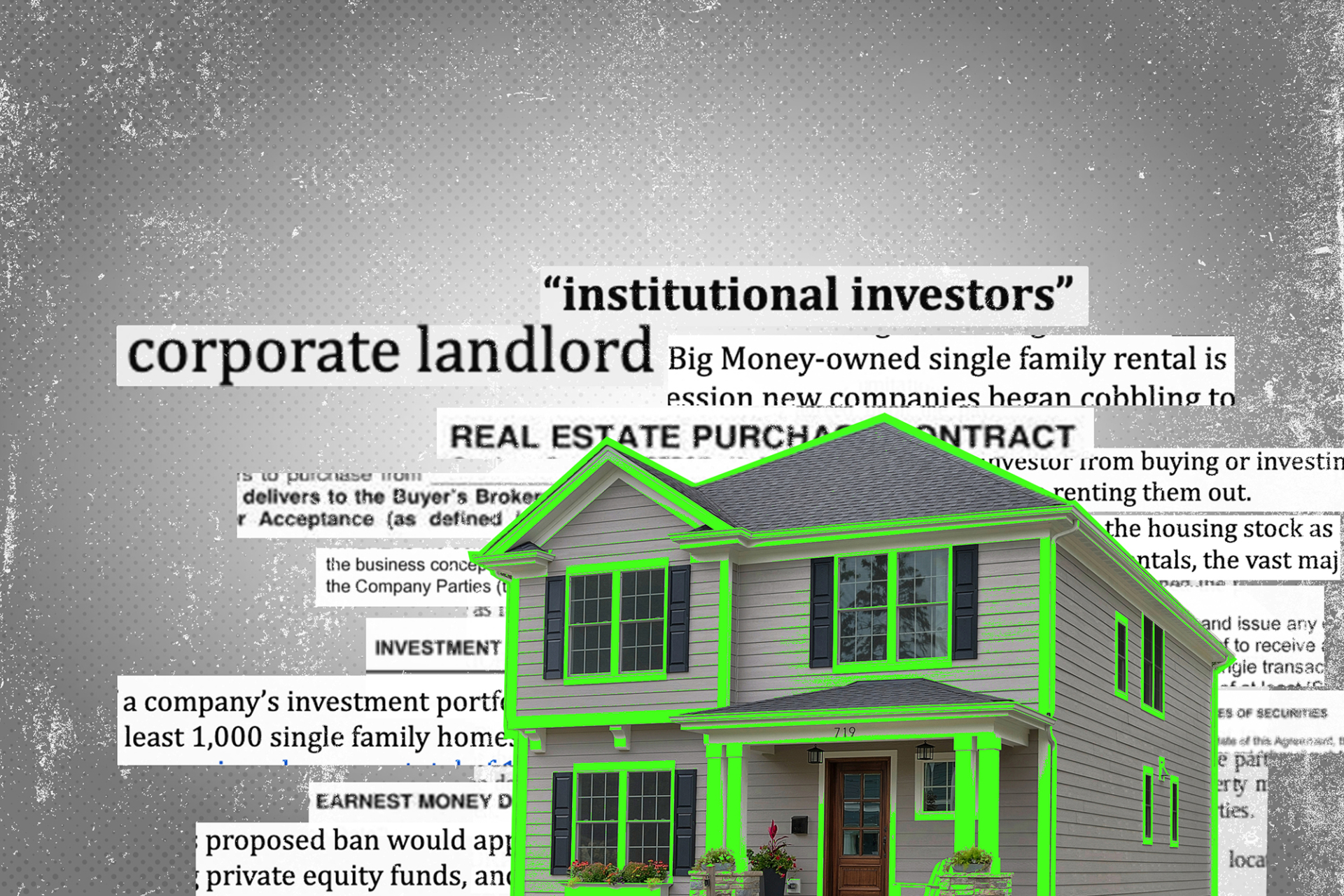
California Legislators Target Corporate Landlords in Housing Market Shake-Up

California's housing market is in the crosshairs of some of the state's most influential lawmakers, who are determined to curb the influence of institutional investors. This legislative session, at least three bills are being considered to prevent these corporate landlords from amassing a significant number of the state's single-family homes.

Proposition 33: A Pivotal Moment in California’s Rent Control Debate

Proposition 33 has sparked a heated debate. Proponents argue that repealing Costa–Hawkins would allow cities to tailor rent control measures to their unique needs, potentially easing the financial burdens on renters.

By |October 16, 2024|Categories: Article, Housing, Legislation|Tags: , |0 Comments

The Trump Era: A Transformative Journey in the U.S. Housing Market

The presidency of Donald Trump ushered in a period of notable shifts in the U.S. housing market, characterized by tax cuts, deregulation, and the unforeseen impact of a global pandemic. This era, marked by both growth and uncertainty, offers a complex narrative of economic policy and market dynamics.

Donald Trump’s Intricate Family Web

Donald Trump, a name synonymous with real estate, reality television, and politics, presents a complex family tapestry woven with professional and personal threads. His family, deeply enmeshed in his business ventures and political pursuits, forms a network of intricate connections.


By |October 15, 2024|Categories: Article, Family, Politics|Tags: , |0 Comments