Revolutionizing Real Estate: The AI and Blockchain Advantage
In an era where technology is reshaping industries at an unprecedented pace, the real estate sector is no exception. As reported by Inman, the integration of AI and blockchain technology is set to transform how real estate professionals conduct business, offering a competitive edge in a rapidly evolving market.
Streamlining Transactions and Security
The marriage of AI and blockchain promises to streamline transaction processing, significantly reducing paperwork and processing time. This newfound efficiency allows agents to handle more deals at their own pace, enhancing productivity and client satisfaction. Furthermore, the use of smart contracts ensures automated and transparent contract execution, minimizing disputes and expediting deal closures.
Blockchain technology also enhances security and transparency in property records, reducing the risk of fraud. This assurance of secure, transparent transactions fosters trust among clients, a vital component in attracting more business.
Global Market Outreach and Automation
With platforms like Propy, agents can expand their reach to a global marketplace, facilitating seamless cross-border transactions. This global outreach increases the likelihood of connecting with suitable buyers and sellers, ultimately leading to more deals.
Moreover, the adoption of AI and blockchain in real estate listings and buyer presentations significantly boosts the chances of being hired. The tech-savvy new generation demands tech-smart agents, while the older generation recognizes the opportunities that new technology brings to buying and selling homes.
Automation is another game-changer, potentially driving US transactions to 20 million homes sold annually, compared to the current 4-5 million. This surge in transactions will enable professional agents to close more deals faster each year.
Embracing the Digital Shift
The digital shift in finance and investment is led by giants like BlackRock, which has launched a Bitcoin ETF and aims to tokenize $10 trillion in assets. This reflects the rise of Real World Assets (RWA) tokenization, promising enhanced liquidity, ownership evidence, and transparency. BlackRock’s $39 billion real estate tokenization initiative aims to revolutionize property ownership, boosting market liquidity and transaction speed while ensuring integrity and reducing fraud risk.
In a real-world scenario, a Miami agent utilized Propy to streamline identity verification, analyze agreements, and send deposit links, impressing clients with efficiency. Platforms like Propy Title and Escrow further enhance transaction security with blockchain and smart contracts, providing a seamless experience for all parties involved.
Conclusion
The integration of AI and blockchain technology is poised to reshape the real estate industry significantly. Agents and brokers who embrace and adapt to these advancements will be well-positioned to capitalize on new opportunities, enhance their services, and drive success in the future.
Image:
More Articles
Getting licensed or staying ahead in your career can be a journey—but it doesn’t have to be overwhelming. Grab your favorite coffee or tea, take a moment to relax, and browse through our articles. Whether you’re just starting out or renewing your expertise, we’ve got tips, insights, and advice to keep you moving forward. Here’s to your success—one sip and one step at a time!
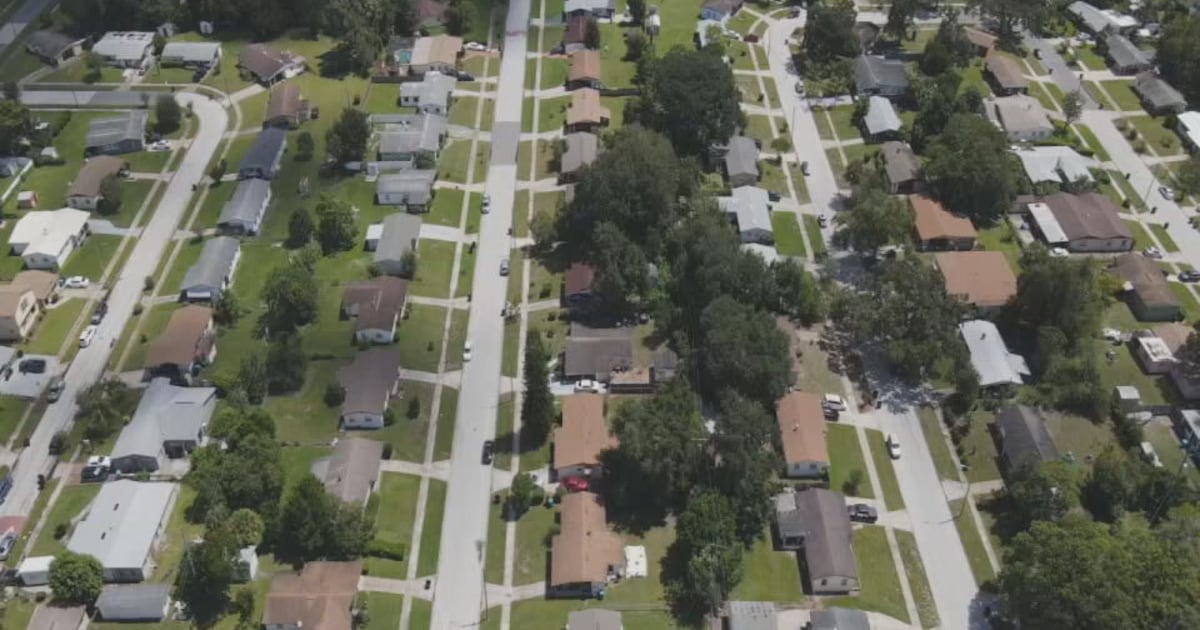
After years of soaring premiums and insurer instability, Florida’s property insurance market is finally turning a corner. Major carriers have filed 83 requests for rate decreases heading into 2026, with companies like Florida Peninsula and Patriot Select proposing cuts of 8.4% and 11.3%. Some homeowners may see relief as early as next month, signaling a long‑awaited shift toward market stability.
Fix-and-flip investing is gearing up for one of its strongest years in a decade as 2026 approaches. With cheaper capital, more accessible funding, easing interest rates, and long-awaited increases in housing inventory, investors are finding the perfect environment to launch or scale renovation-based real estate businesses. Renovation continues to outpace new construction in cost and speed, and demand for move-in-ready homes remains high, making 2026 a powerful opportunity window for both new and experienced investors.
After a short-lived period of relief in 2025, the U.S. rental market may be headed for a tighter, more expensive 2026. With construction starts dropping nearly 11% and completions plunging 42%, the surge of new apartments that helped lower rents is rapidly drying up. Rising costs, shrinking inventory, and a slowdown in new development point to a potential rental crunch that could leave renters facing heavier competition and higher prices across major markets next year.
The commercial real estate market is entering a rare reset that experts say mirrors the post‑2008 boom, creating a potential window for disciplined investors. With trillions in commercial debt coming due and property values dropping up to 40%, firms like AARE are positioning themselves to acquire assets below replacement cost—an advantage that could set the stage for significant long‑term growth.
Commercial real estate is entering a reinvention phase, with AI‑driven productivity, modernized office demand, experience‑focused retail, expanding industrial logistics, creative housing solutions, and sustainability‑centered design all accelerating nationwide. These six forces are shaping how investors, brokers, and future licensees will operate in a rapidly evolving U.S. market.
After years of economic uncertainty and cautious decision‑making, 2026 is shaping up to be the year professionals finally catch a break. AI is moving from buzzword to essential tool, capital markets are beginning to thaw, and hiring is picking up across real estate, mortgage, insurance, finance, and healthcare. With opportunity returning, many professionals are using this moment to upskill—pursuing new licenses, certifications, and cross‑industry expertise.