Revolutionizing Real Estate: The AI Transformation

In a world where technology is reshaping industries at an unprecedented pace, the real estate sector is not left behind. Artificial Intelligence (AI) is at the forefront of this transformation, fundamentally altering how properties are acquired, sold, and managed. According to a recent article by Netguru, AI’s influence is particularly evident in predictive analytics and virtual property tours, which are revolutionizing the real estate landscape.

Predictive analytics is becoming a pivotal tool for guiding investment decisions. By analyzing vast amounts of data, AI can provide insights that were previously unimaginable. This capability is highlighted by Deloitte’s research, which reveals that a significant portion of corporate real estate developers believe AI ensures precise property valuation.

Additionally, virtual property tours are changing how potential buyers and renters interact with properties. These tours allow individuals to explore properties remotely, offering a level of convenience and accessibility that traditional methods cannot match. Companies like ReimagineHome are harnessing this technology to create immersive experiences for users.

AI in Property Management

AI’s impact extends beyond property acquisition and sales; it’s also streamlining processes in property management. The integration of AI and machine learning technologies is optimizing manual processes, reducing errors, and enhancing efficiency. For instance, the global property management software market is projected to grow significantly, driven by the demand for tech-driven solutions that cater to evolving client preferences.

Moreover, AI-driven innovations such as automated data capture are delivering remarkable time savings. A notable example is Cushman & Wakefield, which saved 550 hours per month through such technologies, as reported by Rossum.

Enhancing Customer Experience

The article also emphasizes how AI is enhancing the marketing and customer experience in real estate. AI-powered recommendation engines, like those used by Compass, are delivering personalized property suggestions, significantly increasing user engagement.

Furthermore, AI-driven marketing offers real-time insights into target audiences, enabling more effective lead nurturing and tailored advertising. For instance, Mountain View, an Egypt-based property developer, leveraged AI to enhance its email campaigns, achieving a notable increase in direct sales.

Environmental Sustainability

AI’s role in real estate also extends to environmental sustainability. The sector is responsible for a significant portion of global CO2 emissions, and AI-driven proptech solutions are helping to mitigate this impact. By introducing smart decarbonization strategies and energy optimization solutions, AI is paving the way for more sustainable real estate practices.

Notably, companies like Salzburg AG are developing energy-sharing platforms that promote sustainable energy practices at a community level, demonstrating the potential of AI to drive environmental change.

As the proptech industry continues to evolve, AI’s transformative impact on real estate is undeniable. From improving property valuation accuracy to enhancing customer experiences and promoting sustainability, AI is reshaping the industry in profound ways. For more insights, visit the original article by Netguru.


More Articles

Getting licensed or staying ahead in your career can be a journey—but it doesn’t have to be overwhelming. Grab your favorite coffee or tea, take a moment to relax, and browse through our articles. Whether you’re just starting out or renewing your expertise, we’ve got tips, insights, and advice to keep you moving forward. Here’s to your success—one sip and one step at a time!

NAR’s New MLS Policy Changes Spark Immediate Legal Pushback in Michigan

Just 48 hours after NAR unveiled major revisions to its MLS policies, plaintiffs in the Michigan-based Hardy lawsuit moved to use those changes as evidence, arguing they prove NAR’s prior rules were anticompetitive. NAR denies any wrongdoing, but the case is quickly becoming a key test for whether MLS access should require Realtor membership — a question now echoing across multiple states and potentially reshaping how real estate professionals nationwide access the industry’s most essential tool.

Florida Homeowners Grapple With Soaring Insurance Costs as Lawmakers Push for Reform

Florida homeowners are now paying some of the highest insurance premiums in the country, with average costs topping $5,800 per year—nearly double the national average. Residents report skyrocketing rates, denied claims, and tough choices between costly coverage and financial risk. As frustration grows, lawmakers and consumer advocates are pushing new reforms aimed at increasing transparency, capping rate hikes, and protecting policyholders in one of the nation’s most volatile insurance markets.

Top 2026 Commercial Real Estate Issues Every Pro Should Be Watching

Economic uncertainty, rapid AI adoption, tighter capital flows, and rising portfolio risk are reshaping the 2026 commercial real estate landscape. From shifting workforce patterns to a national housing attainability crisis, the industry is entering a data‑driven, fundamentals‑focused era—making adaptability, education, and tech literacy essential for real estate professionals.

Mortgage Rates Rise as Markets Lose Faith in a December Fed Cut

Mortgage rates have climbed to 6.23 percent as investors grow doubtful that the Federal Reserve will deliver a rate cut in December. A soft but unclear jobs report and persistent inflation have pushed borrowing costs higher, reversing October’s brief relief in the housing market. Real estate and mortgage professionals should prepare clients for continued volatility as the Fed’s December meeting approaches.

Housing Market Poised for a Major 2026 Comeback: What Florida Pros Need to Know

After years of tight inventory, high mortgage rates, and sluggish sales, economists say 2026 is shaping up to be the turnaround real estate professionals have been waiting for. NAR projects a 14 percent jump in home sales, mortgage rates easing toward 6 percent, and buyer demand finally gaining momentum. While higher‑end homes are moving quickly, first‑time buyers continue to face affordability challenges, and price reductions are reappearing as sellers adjust to shifting conditions. For Florida agents, brokers, and newcomers, the stage is being set for a busy and opportunity‑rich year.

Florida Homeowners Hit With Record Insurance Costs as Lawmakers and Residents Demand Reform

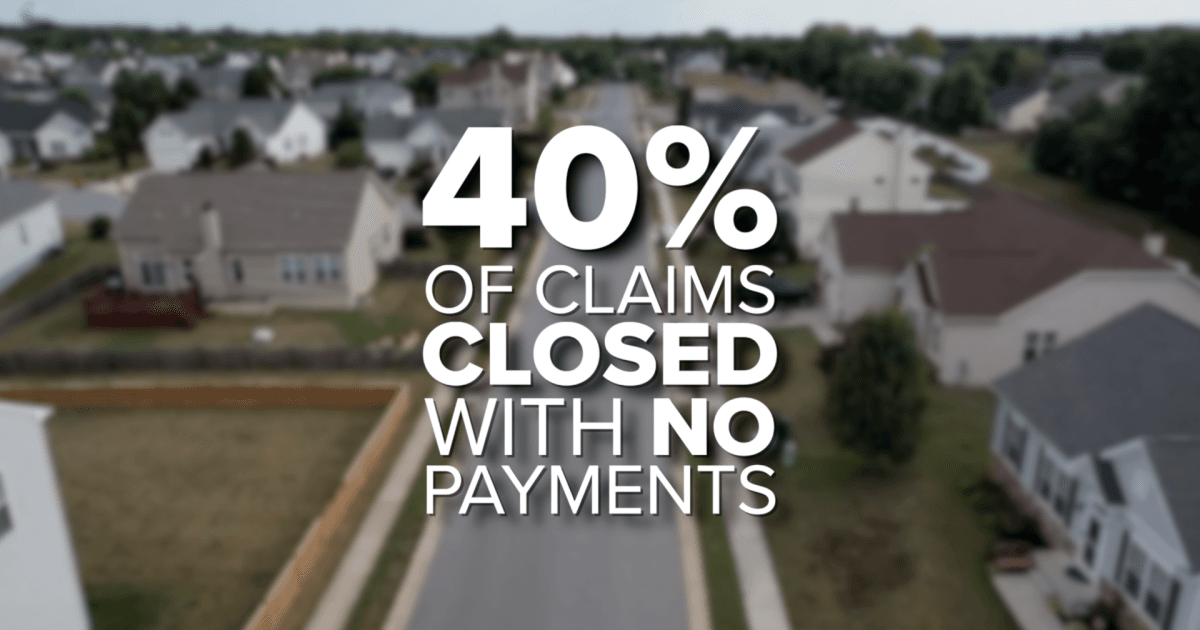
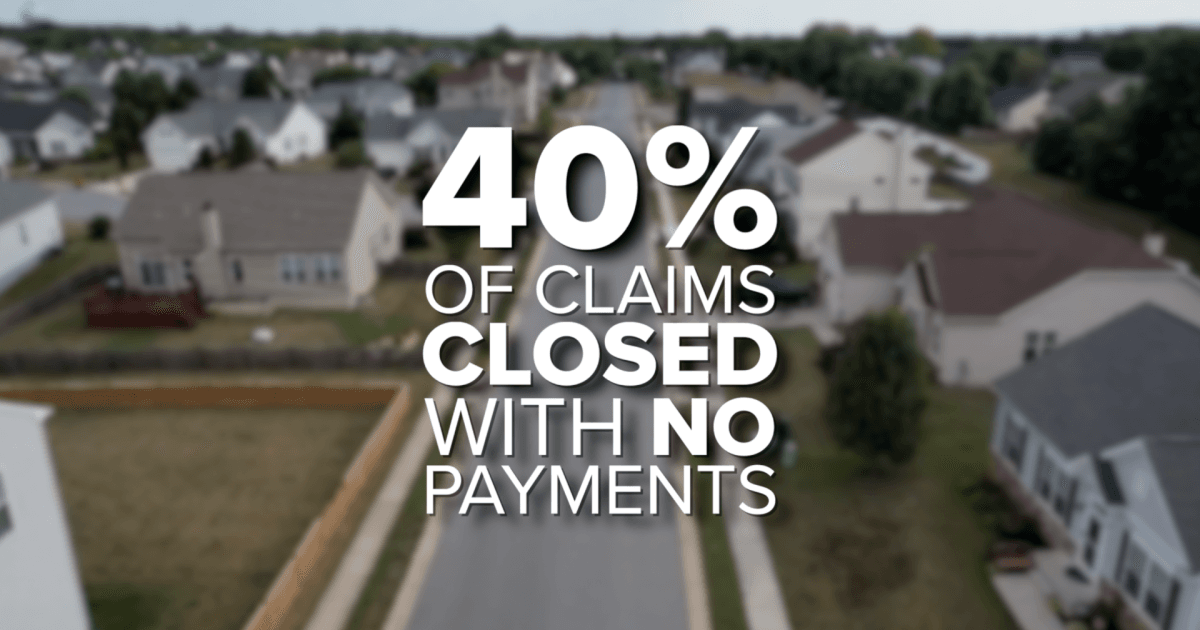
Florida’s average homeowner insurance premium has soared to $5,838 a year—almost $3,000 above the national average—pushing many residents to the financial brink. From tripled premiums to lowball claim payouts, homeowners are speaking out as frustration mounts. Some are even dropping coverage entirely. With more than 40% of claims closed without payment and policy cancellations at record levels, lawmakers are pushing for reforms, but political hurdles remain. The outcome could reshape Florida real estate, insurance, and mortgage markets for years to come.