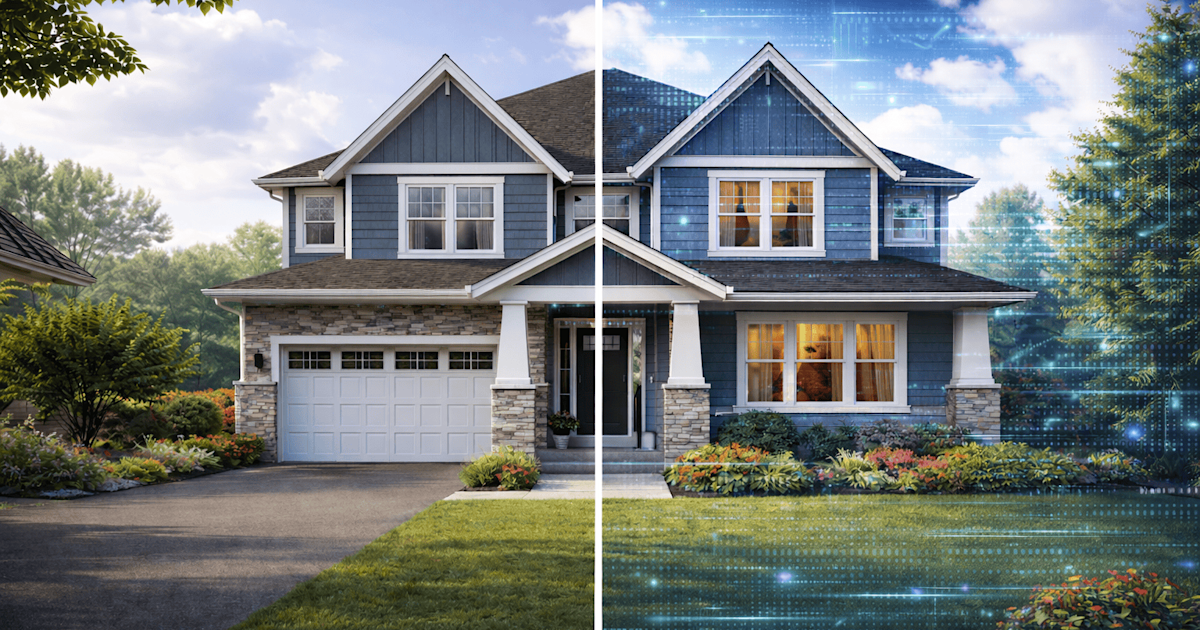
The days of a simple “For Sale” sign and weekend walkthroughs are long gone. Today’s homebuyers and sellers expect more than just a traditional open house. They want convenience, personalization, and seamless experiences — whether attending in person or exploring online.
Staying ahead means rethinking how you showcase properties to meet these evolving expectations. The future of open houses isn’t just about curb appeal; it’s about integrating high-tech tools like virtual tours, augmented reality, and real-time data to create unforgettable experiences for buyers and sellers alike.
The Rise of Virtual Open Houses
According to the latest NAR Profile of Home Buyers and Sellers, 60% of buyers who used the internet during their home search found virtual open house tours extremely helpful. These innovative tools provide an accessible alternative to traditional in-person events and bring properties to life in ways static photos cannot.
The Tools Powering Virtual Open Houses
3D virtual tours: Allow prospective buyers to “walk” through a property and experience its layout and scale.
Pro tip:Use drone footage for exterior views or to highlight surrounding neighborhoods.
Interactive features: Hotspots (clickable icons) provide additional details about specific property features. For example, clicking a hotspot near appliances might reveal the brand, energy efficiency rating, or unique features. Live chat options can also facilitate real-time buyer questions.
For buyers, virtual open houses offer unmatched accessibility and convenience. They can explore properties from any location on their schedule without the constraints of timed appointments. Features like hotspots, live Q&A sessions, and augmented reality overlays make these experiences immersive and informative, tailored to individual needs.
Virtual open houses improve efficiency for agents by allowing multiple buyers to view a property simultaneously without logistical hurdles. They also expand your reach to out-of-town or international buyers and provide valuable data on buyer interactions, enabling targeted and effective follow-ups.
Success Tips for Virtual Open Houses
Optimize tools for mobile devices to accommodate smartphone users.
Ensure high-quality visuals and smooth navigation for a professional experience.
Add a personal touch with welcoming introductions or live Q&A sessions to create an engaging and warm atmosphere.
Augmented Reality: Bringing Properties to Life
Augmented Reality (AR) is changing how buyers experience properties by adding an interactive layer to the homebuying process. With AR, buyers can visualize spaces as their own — virtually placing furniture, testing layouts, or exploring renovation possibilities. This technology helps buyers see beyond a property’s current state and offers a cost-effective alternative to traditional staging methods. In fact, virtual staging can reduce home staging costs by up to 97%, making it a powerful tool for both agents and sellers.
How to Use AR Effectively
Partner with AR apps that let buyers upload their room designs or virtually “try on” furniture styles in the home.
Offer in-house AR demonstrations during open houses to provide a hands-on way for buyers to explore customization options.
AR creates a deeper emotional connection with properties, turning houses into homes buyers can truly envision. Leveraging AR can elevate your open house strategy and leave a lasting impression on today’s tech-savvy clients.
Data-Driven Insights for Smarter Open Houses
Using data-driven tools helps agents identify what resonates most with potential buyers and optimize their strategies for greater success.
Key Tools for Data-Driven Open Houses
Heatmaps in virtual tours: Track where buyers focus their attention during virtual tours, helping agents emphasize key features in future showings.
Digital sign-in sheets linked to customer relationship management (CRM) platforms: Simplify the collection of attendee information and streamline follow-ups. These tools automatically organize data, providing valuable insights into buyer preferences, such as desired features, budget ranges, and engagement levels. This enables agents to tailor marketing and follow-up efforts more effectively.
Personalized Experiences: Tailoring to Buyer Preferences
The key to personalization lies in understanding your audience. Pre-registration forms can help gather essential information, such as a buyer’s budget, desired home features, or preferred neighborhood. This data shapes the open house experience to meet individual needs.
After the event, follow-up communications can be customized based on these insights, showing buyers that their interests were noted and valued.
Examples of Personalized Touches
Customized property tours: Highlight features that align with a buyer’s preferences, such as a gourmet kitchen for cooking enthusiasts or a spacious backyard for families.
Digital brochures with tailored details: Provide information relevant to individual buyers, such as nearby amenities, commute times, or school ratings.
When buyers feel seen and understood, they’re more likely to envision themselves in the property, an essential step toward making it their home.
Hybrid Open Houses: Blending Virtual and In-Person Experiences
The hybrid open house model combines the best of both worlds — offering the accessibility and convenience of virtual tours while retaining the personal touch of in-person experiences.
When to Use In-Person Events
Community-focused properties: Homes in vibrant neighborhoods or near desirable amenities benefit from in-person tours, which lets buyers experience the local atmosphere.
Unique architectural homes: Properties with standout features, such as custom designs or premium finishes, often shine best when experienced firsthand.
Complementing In-Person Events with Virtual Options
Host live virtual tours during open houses to engage remote buyers in real time.
Provide QR (quick response) codes, which are scannable barcodes easily accessed with a smartphone camera. Use these codes to link to digital resources like floor plans, virtual tours, and detailed property information, enabling attendees to revisit the property at their convenience.
Agents can maximize their reach and appeal to diverse buyer preferences by adopting the hybrid model.
Future-Proof Your Open Houses Now
The real estate landscape is evolving, and so should your approach to open houses. By leveraging high-tech tools like virtual tours, augmented reality, and hybrid experiences, you can deliver the seamless, engaging experiences that today’s buyers expect.
Want more ideas to elevate your strategy? Explore our real estate agent resource center for expert tips, tricks, and tools to stay ahead in a competitive real estate market. Now is the time to connect with buyers in innovative ways and transform your open houses into unforgettable experiences.
More Articles
Getting licensed or staying ahead in your career can be a journey—but it doesn’t have to be overwhelming. Grab your favorite coffee or tea, take a moment to relax, and browse through our articles. Whether you’re just starting out or renewing your expertise, we’ve got tips, insights, and advice to keep you moving forward. Here’s to your success—one sip and one step at a time!
Florida now leads the nation in property insurance costs, with many homeowners paying more than $10,000 a year for shrinking coverage and higher deductibles. Despite nearly half of hurricane‑related claims ending with no payout and appeals failing over 90% of the time, state leaders say reforms “need more time to work.” With key relief bills stalled and real estate professionals feeling the shockwaves, experts warn that legislative inaction is deepening a crisis that threatens homeownership and the state’s economic stability.
Banks are finally calling in billions tied to troubled commercial real estate loans, pushing delinquency rates to historic highs and ending years of “extend and pretend.” With more than 12% of office loans now delinquent and $875 billion in commercial debt maturing in 2026, regional banks and property owners are facing mounting pressure. As valuations drop and refinancing becomes harder, experts warn that tighter lending standards and broader economic ripple effects are on the horizon—making strategic preparation essential for today’s real estate and finance professionals.
Florida policyholders are getting rare good news: the Florida Insurance Guaranty Association is ending its 1% emergency insurance assessment on October 1—two years ahead of schedule. The decision follows a calmer hurricane season, fewer insurer insolvencies, and growing market stability. The early termination is expected to save Floridians up to $650 million, with the average homeowner seeing about $31 in annual savings. This marks another milestone in the state’s insurance market recovery after major legislative reforms in 2022 and 2023.
The real estate industry has officially moved past its AI honeymoon phase. What began as a fun, optional tool has quietly become the backbone of how agents create content, communicate with clients, and market properties. But with that shift comes rising concern about authenticity, legal risks, and whether consumers will start questioning what they’re really paying agents for. As AI blends into everything from listing descriptions to client advice, professionals now face a new challenge: proving the human value behind the technology.
After years of volatility, industry analysts say commercial real estate may finally be on the verge of a major comeback. Investment activity is rising, leasing demand is strengthening, and key cities like Manhattan are leading a broader national recovery. With vacancy rates expected to drop and high‑quality buildings outperforming the rest, 2026 is shaping up to be the turning point investors and professionals have been waiting for.
AM Best warns that the property and casualty insurance market is heading into a more challenging 2026 as premium growth slows, inflation drives up claims costs, and combined ratios rise. Despite a strong 2025, moderating rates, higher repair and construction expenses, and ongoing reserve deficiencies are pressuring profitability. While commercial lines and personal lines both feel the strain, the E&S market continues to expand as traditional carriers pull back. This shifting landscape highlights the need for insurance professionals to stay sharp, informed, and adaptable.